
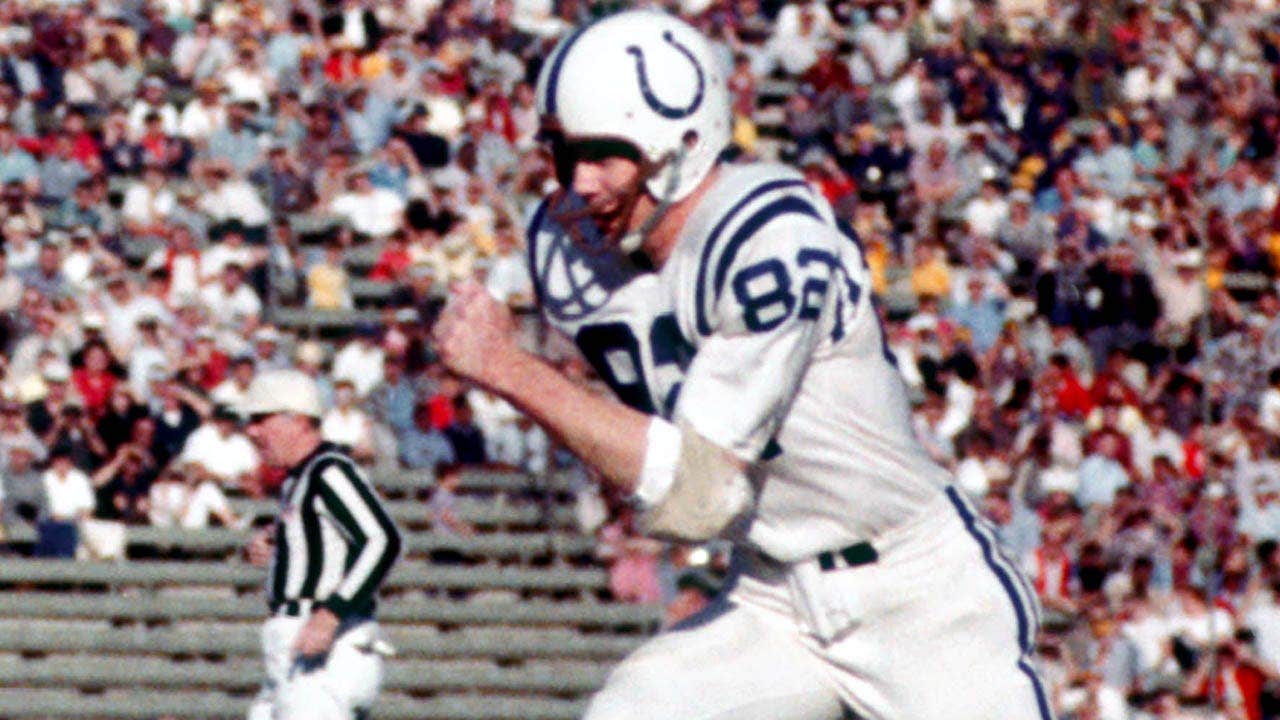
Raymond Berry was a Hall of Fame wide receiver for the Baltimore Colts who changed how people thought about the position through painstaking preparation and exacting technique, and he has died at 93. This piece sketches the habits that set him apart, the quiet leadership he offered teammates, and the way his approach still echoes through modern football. It focuses on the facts and on the practical lessons his career left behind.
Berry’s reputation came less from flash and more from relentless craft. He treated catching and running precise routes like a workshop project, drilling the smallest details until they worked under pressure. Opponents learned to expect consistency rather than surprises.
Game day was the payoff for months of routine. He studied opponents, timed routes, and rehearsed footwork until his releases looked rehearsed and effortless. That discipline made him a dependable target when the moment mattered most.
Teammates noticed how his preparation lifted the whole group. When a receiver shows up early and leaves late, habits spread, and quarterbacks begin to rely on that reliability. Over time, reliability became a calling card for any offense that wanted to function with precision.
Berry’s style pushed coaches to rethink how they taught the receiver position. Instead of just focusing on natural ability, practices began to emphasize repetition and film study as core components. The result was a generation of players who combined athleticism with a professional approach to study and practice.
People often talk about natural talent, but Berry’s story highlights another route to excellence. He turned limited raw gifts into elite performance through routine and care. That is a lesson coaches still pull into modern training rooms.
On the field he was known for clean routes and sure hands rather than spectacular acrobatics. Those traits made him hard to cover for the long haul because defenders could never relax; he would be where he needed to be. That reliability helped shape how offenses built timing-based passing attacks.
Off the field he kept a low profile and let his play do the talking. He did not seek the spotlight but earned respect from peers, coaches, and fans through consistent effort. Quiet leadership can be louder than talk when actions are steady and dependable.
His influence extended beyond his playing days into coaching and mentoring roles where he could pass along routines and mental approaches. Younger players who worked with him learned to value preparation the way he did. Those lessons ripple outward as those players become teachers themselves.
Berry’s life in football shows that attention to detail matters as much as raw speed or size. For teams that prize execution, his example is a template: practice detail, trust repetition, and make reliability a habit. Those principles still shape how teams evaluate and develop receivers.
Even now, film of his routes and hands draws study from players aiming to combine discipline with playmaking. The emphasis on precise technique and preparation remains a core part of modern receiver coaching. Coaches looking for a model of consistency still point to what he did on and off the practice field.
More than trophies or headlines, his lasting mark is the culture he helped cement: a relentless focus on craft that elevates entire teams. That approach keeps showing up in locker rooms and practice schedules across the sport. For anyone who wants to play the position well, his work is a practical manual rather than a myth.
