
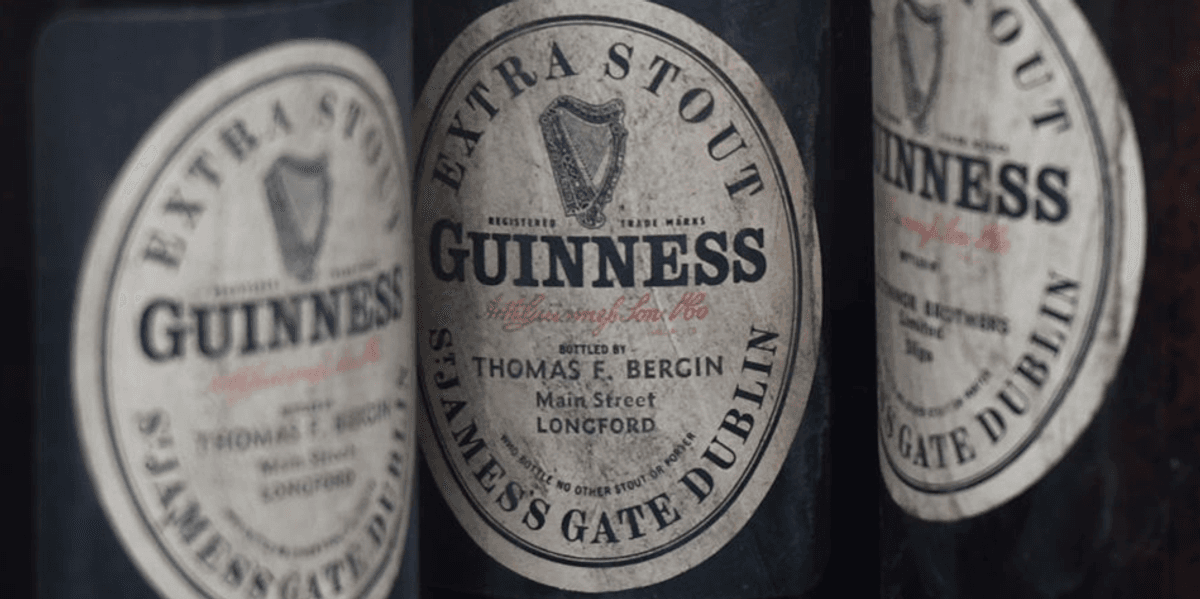
A forgotten stash of Guinness has a way of turning into instant legend, especially when it is old enough to make people do a double take. In this case, a batch tied to a very different era did not sit around as a museum piece for long, because once it surfaced, the mood shifted fast from curiosity to celebration. What followed was part novelty, part time capsule, and part excuse for a very committed round of drinks.
The story starts with a batch of Guinness linked to 162 years of history, a claim that sounds like pub folklore until the details settle in. Old beer can be a collectible, a curiosity, or a warning label waiting to happen, but this one landed squarely in the middle of all three. Instead of being treated like a dusty relic, it became the centerpiece of a lively, slightly ridiculous moment that fit the brand’s larger-than-life reputation.
There is something irresistible about the idea of people discovering a piece of brewing history and deciding the next move should be a taste test. Guinness has always carried a strong identity, and age only adds more drama to the bottle. The moment that old stock was recognized for what it was, the reaction was not reverent silence, but a practical, cheerful urge to find out whether history still had a head on it.
That kind of reaction makes sense. People love old artifacts right up until they realize they might also be drinkable. A 162-year-old batch is not just beer anymore, it is a story with foam, a reminder that even everyday things can survive long enough to become strange and memorable.
The setting also matters, because Guinness has long had ties to places where pint glasses and strong opinions go hand in hand. Whether the batch was sitting in England, Belgium, or somewhere in the wider orbit of European beer culture, the discovery tapped into a shared sense of mischief. Old-world brewing history has a certain romance, but it gets a lot more fun when someone decides to open the thing and see what happens.
Of course, not every ancient bottle earns a happy ending. Some old alcohol is best admired from a distance, especially if the contents have spent more time aging than a vintage car. But the appeal here was never about perfect preservation alone. It was about the thrill of cracking open a sealed bit of the past and letting modern curiosity do what it does best.
There is also a very human logic behind calling in a team to help with the drinking. Rare finds tend to create an instant crew, especially when the item in question is already culturally loaded and a little absurd. Nobody wants to sip history alone if there is a chance to make the moment bigger, louder, and slightly more unforgettable.
Guinness itself has always thrived on that kind of energy. It is not just a beverage, it is a badge, a ritual, a signal that the room is about to get a little more animated. An old batch only sharpens that effect, because the age adds a layer of spectacle that regular pours can never quite match.
The whole episode lands because it sits right at the intersection of novelty and tradition. On one side is the heritage of a famous beer with deep roots, and on the other is the very modern urge to turn an odd discovery into a shared experience. That mix gives the story its spark, making a 162-year-old batch feel less like an antique and more like a dare with excellent branding.
And that is the charm of it. A sealed piece of brewing history shows up, people gather around, and suddenly the past is no longer locked away in a cellar or archive. It is poured, passed around, and transformed into a conversation no one at the table is likely to forget anytime soon.
