
Grand Rapids stands out as a city where old institutions, active streets, and serious private giving all seem to work in the same direction. That mix sits right at the center of the fight over Abdul El-Sayed’s anti-billionaire message, because plenty of people there see local wealth as a reason the city keeps moving forward instead of falling behind.
The city has a kind of steady momentum that is hard to fake. Sidewalks are busy, storefronts are alive, and the buildings downtown give off the feeling of a place that still believes in itself.
That sense of confidence is tied, in part, to several philanthropic families whose names show up all over Western Michigan. The Davos, Van Andel, and Meijer families have poured money into museums, medical centers, schools, and civic spaces, and locals notice the difference every day.
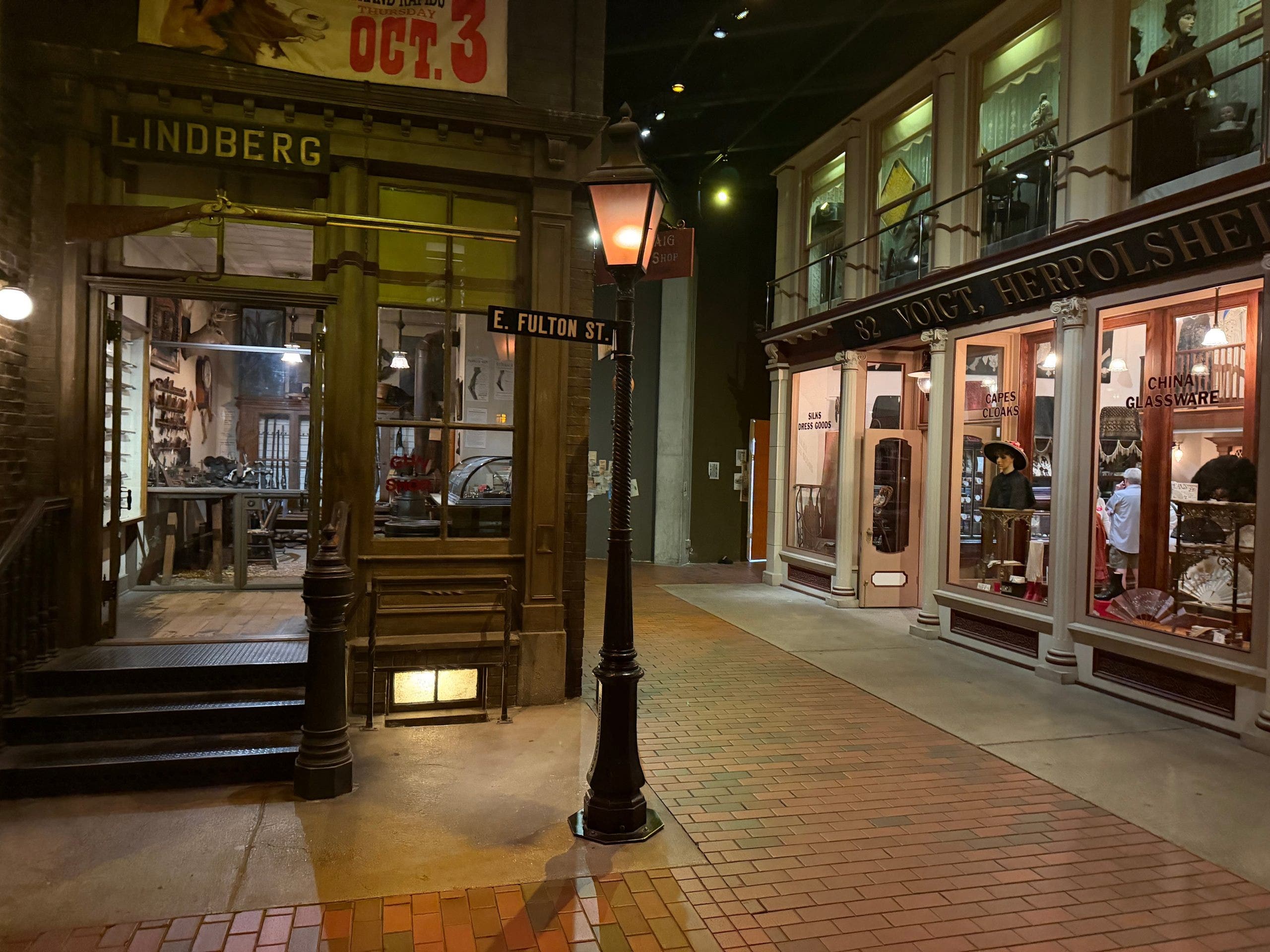
At the Grand Rapids Public Museum, the contrast between past and present lands with real force. A replica of 1880s Grand Rapids sits inside a modern, sprawling building, and the whole place feels like a reminder that the city did not get here by accident.
One docent described that role plainly, saying, “We have a few families that really do a lot to fill gaps and help to make things happen.” That idea came up again and again, not as a talking point, but as a simple description of how the city functions.
Even the construction around the waterfront tells the same story. Heavy equipment was hard at work while the river and skyline framed the scene, giving the impression of a city building on what already exists rather than tearing it down to start over.
That matters because the modern left often talks about billionaires as if wealth itself were the enemy. El-Sayed leans hard into that worldview, but Grand Rapids offers a pretty direct rebuttal: private giving can help shape a city in ways government alone usually cannot.
This is not some new American trick either. From the Astors in New York to the Carnegies in Pittsburgh, wealthy families have long helped build the institutions that make cities feel bigger than the sum of their budgets.
Of course, not everybody is blind to inequality. A retired resident named Maggie pointed out the sharp contrast between modest houses and million-dollar lakefront homes, and that divide is real enough to give anyone pause.
Still, noticing inequality is not the same thing as pretending generosity has no value. In Grand Rapids, the money flowing from private hands has helped create the kind of civic depth that gives a city personality, pride, and staying power.
That tension is what makes El-Sayed’s rhetoric feel so out of step with places like this. Telling people to resent the very families that helped fund their museums, libraries, and health care institutions does not land well when those investments are part of the city’s daily life.
Grand Rapids also shows how strangely selective modern socialist language can be. Some of the loudest voices against the wealthy still enjoy the comforts and opportunities that wealth makes possible, which makes the anti-billionaire act feel more like theater than principle.
For voters in Michigan, the bigger question is not whether inequality exists. It is whether the answer is to punish success or to build more of the civic energy that has already made cities like Grand Rapids thrive.
That is why the local reaction matters beyond one election. People there are living inside a place that looks stronger because private philanthropy helped fill the gaps, and they know the difference between a slogan and a city that actually works.
