GM’s abrupt pause on its next-generation electric trucks and SUVs has ripped the veil off the political fantasy that the electric transition was on a fixed schedule. The company’s decision to delay and write down massive investments exposes a gap between political ambitions and what Americans are ready to buy. This piece looks at the financial fallout, the consumer realities that drove the shift, and the industry’s broader course correction toward proven demand and profitability.
General Motors isn’t tinkering at the margins; it has paused major EV program rollouts and taken heavy losses tied to plans that assumed continuous, subsidy-fueled demand. The automaker faces a reported $7.6 billion in EV-related losses from 2025 alone, including write-downs for scrapped production and battery commitments. That kind of hit forces a hard look at whether policy-driven timelines ever matched actual market signals.
When government incentives tapered off late last year, EV sales dropped sharply, with a 43 percent decline in the fourth quarter as early buyers and subsidy-heavy sales faded. That sudden swing revealed how fragile current demand still is without generous incentives propping it up. Automakers built capacity on the premise of sustained buyers, and now inventory and capital are the ones paying the price.
Instead of doubling down on electric trucks, GM is redirecting investment back into combustion-powered vehicles, expanding production of Silverados and Sierras that consumers are still buying in big numbers. The machines that critics like to single out are the same workhorses keeping plants humming and showrooms moving. This pivot is about matching product to what the market actually wants, not what regulators prefer.
Real-world use matters in ways political rhetoric often ignores: cost, convenience, and capability still drive purchase decisions for most buyers. “Charging times still don’t compete with a five-minute fill-up at a gas station.” Those minutes and the availability of charging infrastructure matter when people tow, travel rural roads, or park overnight without a home charger.
Electric trucks also carry real performance trade-offs, especially for buyers who need towing and heavy hauling, where range drops and charge frequency spike. Affordability is another big barrier; many EVs still cost more up front, even after incentives, than equivalent gas models that deliver predictable range and refueling speed. Until price and infrastructure align with everyday needs, adoption will remain limited to early adopters and niche users.
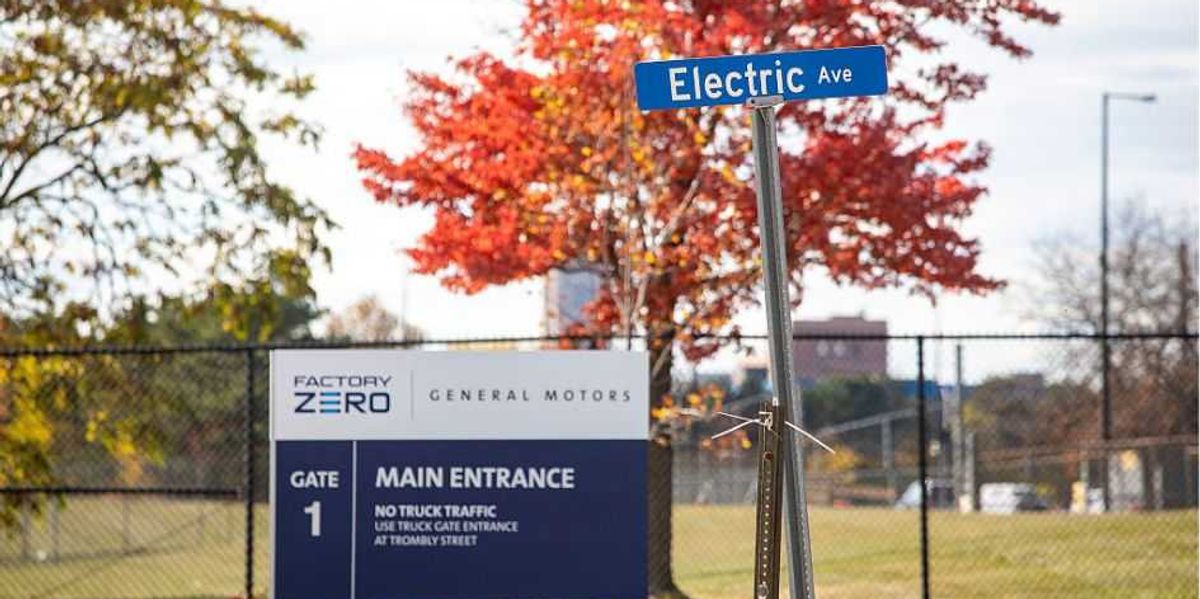
GM’s flagship EV plant has already experienced shutdowns and workforce reductions as production failed to meet initial promises, and high-profile EV models are underperforming expectations. That isn’t a failure of engineering so much as a misread of buyer behavior and timing pushed by outside pressures. The company is recalibrating toward cash flow, which means more gasoline models on the line and a slower, more market-driven EV rollout.
This retreat signals a broader industry correction, not a permanent rejection of electrification. Automakers across the sector are rethinking timelines, slowing investments that once chased regulatory deadlines, and prioritizing vehicles that sustain revenue and employment. When companies stop designing around policy and start designing around customers, product choices look very different.
Policy makers should take the lesson on the chin: you can subsidize and mandate, but you can’t make consumers buy something that doesn’t solve their daily problems or that costs too much. Buyer behavior ultimately determines winners and losers in the market, not headlines or mandates. If EVs are going to win for the long term, innovators and investors must focus on affordability, charging access, and towing-capable designs that match the American lifestyle.
Right now the market is speaking loud and clear, and it’s a sound bite worth listening to: prioritize buyers over ideology, and build vehicles that serve real needs at sensible prices. The electric future remains possible, but it will arrive on the timetable consumers set, not the one politicians drew up in a conference room.