
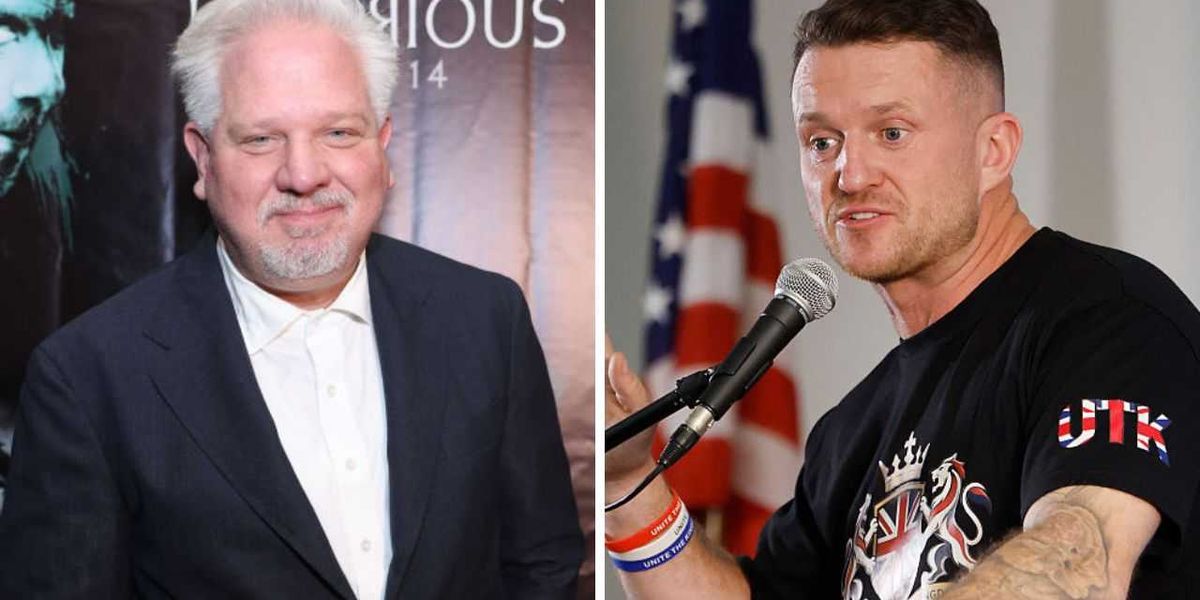
Glenn Beck traveled to London to join Tommy Robinson at the Unite the Kingdom rally, warning that speaking there could cost him future entry to the U.K. The event is expected to be large and family-focused, with tributes, music, and a heavy police presence that critics say looks like intimidation. Prime Minister Keir Starmer publicly condemned the movement and signaled tougher measures, while Beck and Robinson accuse the government of silencing mainstream voices and weaponizing surveillance. Tensions over bans, facial recognition, and free speech have turned the march into a flashpoint for debates about liberty and law enforcement in Britain.
Glenn Beck told listeners on The Glenn Beck Program that he was warned about a ban, saying “I was told by Parliament today that if I speak, most likely, I will not be allowed to come back to England ever again,” and he made clear he would go ahead anyway. He later corrected the source of that warning, noting it came from a parliamentary official rather than Parliament itself, but the warning didn’t change his stance. To him this is about principle and the right to be heard, even at personal cost.
“I am going to be speaking there, even if it is — sadly, because I love this country — even if this means I’m barred from visiting this country for the rest of my life. So be it,” Beck declared, framing his choice as deliberate and defiant. He said he loves Britain and doesn’t want to be forced into a permanent exile, yet he’ll stand on the stage regardless. That kind of resolve is why many conservatives see his trip as an important stand for free expression.
The march is expected to draw a massive crowd, with organizers pitching it as family-driven and peaceful, and they’ll include a tribute to Turning Point USA founder Charlie Kirk, who was assassinated last year while speaking on a Utah college campus. Supporters say the lineup of gospel bands, pastors, speeches, and performances underscores that this is about community, not chaos. Opponents, and now the government, insist on caution and control.
A day before the rally, U.K. Prime Minister Keir Starmer released a condemning the UTK movement: “My government will not stand in the way of peaceful protest, but we will act decisively against hatred. We will use the full force of the law when that hatred manifests as violence,” Starmer stated. “And we will ban those coming into the U.K. who seek to stir it up, as we have done already.” The tone of that message left many on the right feeling like the state had already chosen its side.
Beck reacted sharply, saying Starmer’s message “just screams setup to me,” and that he’d felt a similar “bad feeling” before other flashpoints. He warned that when a government announces who it will ban and who it will protect, it risks creating the very confrontation it claims to prevent. That’s the core of the skepticism: the claim that law and order rhetoric is being used to silence dissent.
Tommy Robinson emphasized the larger pattern he sees in Britain, noting the government has stopped numerous people from attending events, including journalists and . “None of them have got criminal convictions, are racists, or any hatred like that,” he insisted, arguing the bans target mainstream opinion rather than genuine extremists. “We’re not talking about him banning football hooligans and extremists here. We’re talking about mainstream political opinions that [Starmer] doesn’t agree with. … They just banned these 11 people as far-right, racist extremist agitators who are intent on violence. They just make it up.”

Robinson painted the march as a response to failed leadership on issues like immigration and public safety, and organizers say it will be peaceful and faith-oriented. Metropolitan Police plan to deploy some 4,000 officers for the event, signaling the operation will be large and visible. That scale raises questions about whether the police are prepared to protect free assembly or simply to manage optics for the government.
The Met also announced it will use live facial recognition technology at the rally, while not planning the same for a nearby pro-Palestine demonstration the same day that is expected to draw tens of thousands. Beck said the admission of facial recognition use was a message: “That’s to send a message … [that] you’re an enemy of the state,” Beck said, adding that officials aim to “make the crowd frightened.” Critics argue selective surveillance undercuts trust in law enforcement and chills lawful protest.
Organizers and speakers insist the event remains peaceful and family-friendly, and they say the real fight is over whether ordinary political voices can be labeled dangerous and kept out. “The future of our country is at stake.” Robinson’s warning taps into a broader anxiety about government power and cultural direction, and for many conservatives this rally is a test of whether public square freedoms still exist in Britain.
