
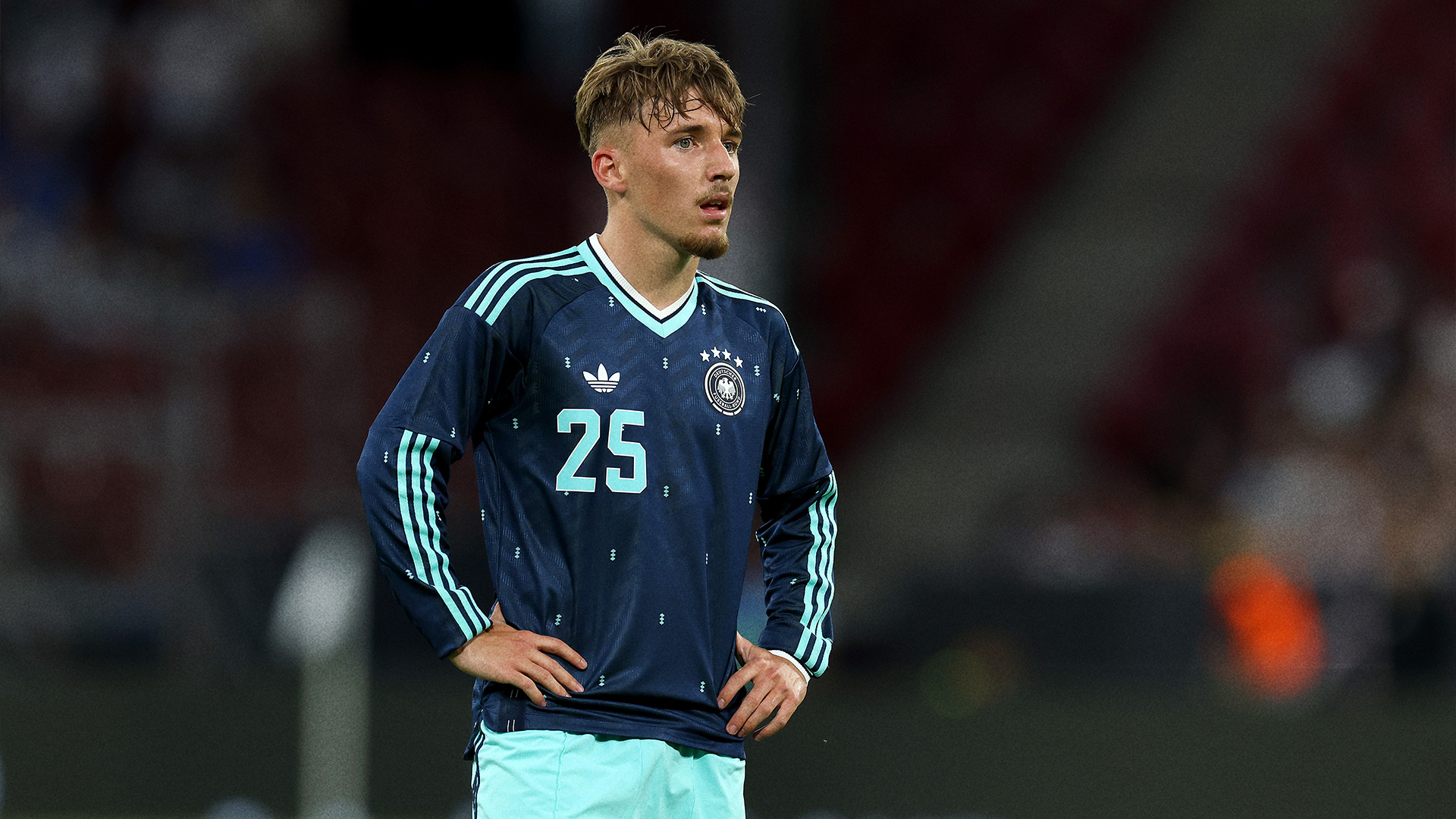
Germany’s squad was rocked as 18-year-old midfielder Lennart Karl was rushed for scans after picking up an injury in training, and he could now miss the upcoming World Cup. This piece walks through what happened, what it means for the team, and what to watch next without getting lost in speculation. The club and national setup are keeping details tight while medical staff work through assessments and recovery options.
“Germany’s 18-year-old midfielder Lennart Karl may miss the World Cup after he was sent to the hospital for scans following an unspecified injury in training.” That sentence has been released in various brief statements, and it captures the blunt reality: the injury is currently undefined and results are pending. The lack of specifics fuels nerves because young players with big futures are especially delicate assets at major tournaments.
Initial reports suggest the club opted for caution, sending Karl straight to hospital imaging rather than waiting for symptoms to evolve. That kind of immediate scanning usually means the staff want a fast, definitive read on bones, ligaments, and any swelling that could complicate treatment. For an 18-year-old, the priority is long-term health first, tournament availability second.
From a squad perspective, losing a teenager who fought his way into contention changes dynamics in subtle ways. Germany’s midfield depth is strong on paper, but a late absence forces tactical tweaks and possibly accelerates the inclusion of a backup who might not have had competitive minutes. Coaches will balance short-term tournament goals with preserving the player’s career trajectory.
Medical timelines are frustratingly binary: either scans show a clean break or sprain and recovery plans begin, or they reveal damage that needs surgery or extended rest. In the best case Karl could be monitored for a week and rejoin light work; in the worst case he faces a rehab timetable that rules him out. Either way, the next 48 to 72 hours are the crucial window for clarity.
Within the squad and among supporters there’s a mix of concern and cautious optimism. Teammates tend to circle around young players, sending messages and giving space for recovery. The coaching staff will likely avoid public alarm, offering measured updates while keeping selection plans flexible until the scans and specialist opinions are in.
There are precedents of young players returning from late injury scares to play big roles, and there are also stories where rushed returns made things worse. This is why medical caution is the sane route: protect the player, then plan. Fans should expect tight-lipped official statements and incremental updates rather than dramatic headlines in the coming days as decisions get made on treatment and potential replacement options.
