
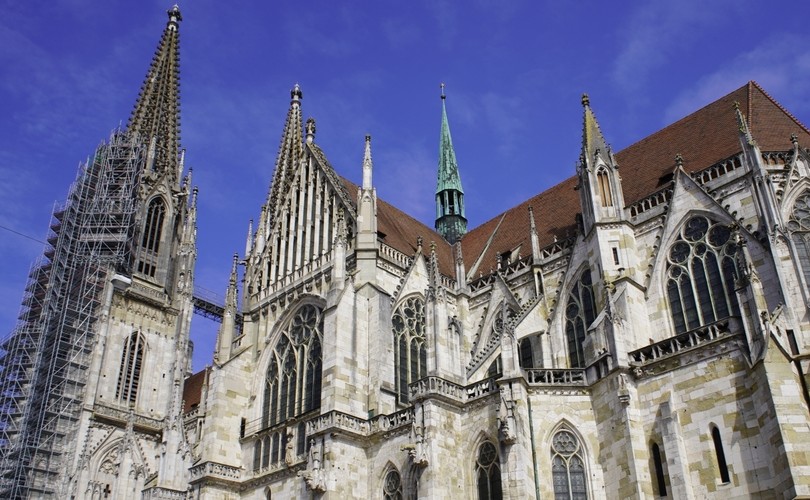
Bishop Rudolf Voderholzer of Regensburg warned that long-term secular trends are reshaping Catholic life in Germany and urged a fresh look at how faith is lived, taught and passed to the next generation.
The scene across Germany’s parishes is unmistakable: fewer people at Mass, many churches underused and a clergy stretched thin. Conversations about reform and identity are loud, and they often sound more defensive than hopeful. For many Catholics this feels like a slow drift away from what used to bind communities together.
“Bishop Rudolf Voderholzer of Regensburg said Germans can learn from the devout young faithful in other countries who yearn for a return to tradition.” That observation cuts to the point: elsewhere, young people are leaning in rather than walking away. Those communities show a hunger for clear teaching, reverent worship and visible continuity with the past, and that hunger is worth noticing.
Importantly, the issue is not nostalgia for nostalgia’s sake. Those young believers are not simply sentimental; they seek meaning and stability in rites, sacraments and patterns of life that feel durable. They find identity in practices that mark time and shape character. Germany’s parishes would do well to study how these elements work where they are thriving.
Practical shifts are possible without abandoning German pastoral strengths like thoughtful theology and social engagement. Reinvigorating catechesis, prioritizing liturgical formation and creating stable youth programs can rebuild trust and practice. Fresh energy often begins with small communities that form people more deeply than occasional events ever will.
Some worry that emphasizing tradition shuts out change, but the examples abroad show a different balance: a living continuity that allows organic growth. When worship and teaching are rooted, people feel free to ask questions, to wrestle with modernity and to commit. Stability can be a platform for creativity, not its opposite.
There are real hurdles: cultural secularism, skeptical media narratives and internal disputes about direction. Those factors have fostered an image of the German Church as divided and, to some observers abroad, even troublesome. Facing those challenges requires honesty and courage more than clever PR; communities must repair internal trust and demonstrate coherent witness.
Leadership matters. Bishops and pastors who model conviction without being closed off, who invite participation while insisting on clarity, set the tone for renewal. Laypeople with a heart for formation and long-term service are equally crucial. Where those roles line up, small parish revivals can become sustained movements.
There is no single fix and no quick turnaround, but paying attention to what inspires the faithful in other contexts is smart. Learning from vibrant communities does not mean copying everything wholesale; it means adapting proven patterns of catechesis, liturgy and community life to local realities. If Germany is to stop drifting, it will take persistent care, a willingness to listen and a readiness to choose practices that actually form disciples.
