
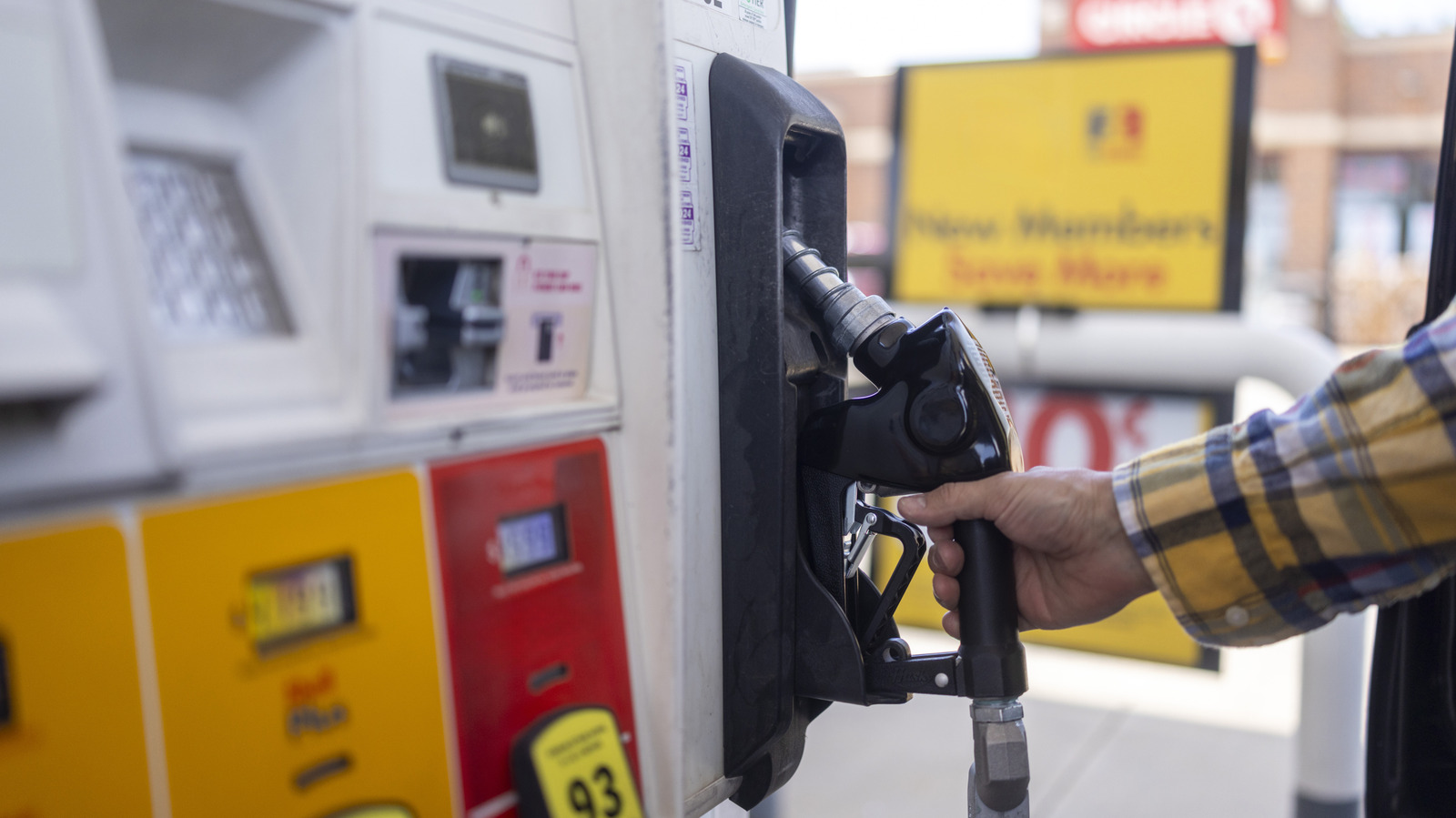
Quick note up front: this piece explains why some pumps ask you to buy a minimum number of gallons, what’s driving the rule at the pump, how payment methods change the game, and practical steps you can take when you hit that “4 gallon minimum” sign.
Have you ever rolled up to a pump and seen a notice demanding a minimum four gallon purchase and wondered what gives? Stations set those rules for a mix of technical, financial, and fraud-control reasons. It’s not just punishment for short trips; it’s a business decision that responds to how cards, pumps, and regulations interact.
One of the biggest drivers is how pay-at-pump payments are authorized. When you swipe or tap, the card issuer places a hold to cover the likely final sale, and that hold needs to be worth the transaction for the station and processor to make sense. Small transactions can end up costing the retailer as much in fixed fees and processing hassles as they earn in fuel revenue.
Another factor is fraud prevention and operational reliability. Low-dollar taps can look odd to fraud systems, and stations prefer a predictable authorization amount to avoid declined pumps or long reconciliation processes. In busy stores, a minimum helps speed things up and avoids repeated transactions that clog lanes and cost staff time.
Pump hardware and payment networks also matter. Credit card processors often charge either a flat fee plus a percentage or impose holds that complicate refunds, and some older pumps were set up to expect certain minimum volumes for efficient measurement and flow. When you add in the costs of maintenance, security, and staff to handle disputes, the math favors a minimum buy for many operators.
State rules and local practices play a role too, because laws about authorization holds and consumer protections vary. Some regions tightly limit how long an authorization can be held or how refunds must be processed, while others leave more leeway for merchant-side policies. That patchwork means one station’s four-gallon rule might feel arbitrary to a driver from a different town who never sees it back home.
So what can you do when the sign tells you to fill up more than you planned? If you carry cash, prepaying inside often avoids the hold and lets you buy exactly what you want, subject to the attendant’s policies. Alternatively, buying a little more and topping off later or using a different station that doesn’t enforce a minimum will usually fix the problem quickly.
For frequent short-trip drivers, consider changing how you pay at the pump. Some digital wallets and fleet cards process differently and may not trigger the same holds, and loyalty or mobile-app payments sometimes bypass larger authorization windows. If you see the rule regularly at your go-to spot, a quick chat with the attendant can reveal whether the minimum is tied to card terminals, local rules, or a temporary policy.
This isn’t meant to be a mystery so much as a heads-up: modern fuel sales involve more moving parts than the old days of handing cash over the counter. Next time you notice a four-gallon minimum, remember there are technical and economic reasons behind it and a few straightforward workarounds to keep you on the road without wasting time or money.
