
The FTC is turning up the heat on a growing pricing mystery: whether big-name companies are using personal data to charge different people different amounts for the same thing. Airlines, delivery apps, ride-hailing platforms and major retailers are now in the spotlight as regulators dig into how prices, pay and customer treatment may be shaped behind the scenes.
Federal regulators say they want a closer look at whether consumer behavior, browsing history and other personal details are being folded into pricing decisions. The concern is not just about what shoppers pay at checkout, but also what gig workers earn when platforms decide how much a trip, delivery or task is worth.
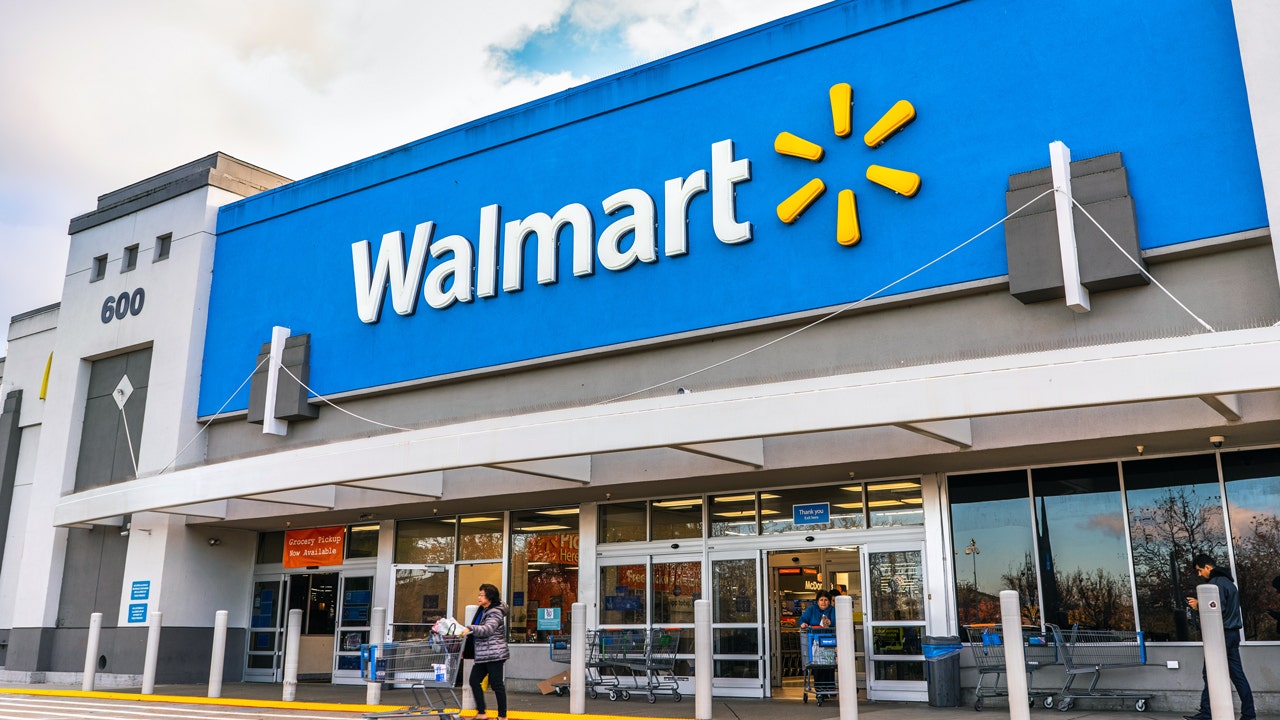
The FTC sent orders to nine companies: Delta Air Lines, United Airlines, JetBlue, Lyft, Uber, DoorDash, Instacart, Target and Walmart. The agency wants those firms to explain how they use data tied to customers and workers, especially when setting prices or compensation.
That means the inquiry reaches deep into the modern economy, where prices can shift fast and often without much explanation. A plane ticket, a ride across town or a grocery delivery may look simple on the surface, but regulators are questioning whether the real math is far more personal than most people realize.
FTC Chairman Andrew Ferguson framed the issue as a transparency problem, arguing that people deserve straight answers about how their information is being used. He said regulators plan to examine the “opaque methodology” some companies may use to decide what consumers pay or what gig workers are paid for the same product or service.
Ferguson also said consumers should know whether companies use web browsing habits or other personal data to estimate the highest price they can get away with charging. He added that workers deserve to know whether their compensation changes based on how platforms use their personal information.
The agency says loyalty programs and algorithm-driven data analysis may also play a role in shaping pricing. In its view, these systems can blur the line between normal demand-based pricing and a more targeted approach that quietly favors the company over the customer.
That concern hits especially hard in the travel and rideshare world, where prices often bounce around based on timing, location and demand. The FTC is trying to figure out whether those changes are purely market-driven or whether personal profiles are helping set the number a customer sees on the screen.
The same questions are now landing on food delivery and grocery platforms, where opaque formulas can affect both the customer bill and worker payouts. The FTC said ride-hailing and food-delivery companies may use personal data such as phone usage or acceptance history to create personalized compensation for drivers.
Instacart pushed back quickly, saying it does not and will not engage in surveillance pricing. The company said it does not use personal information to set prices and never will, a direct response to the broader suspicion hanging over the industry.
JetBlue also said it does not use personal information or browsing history to set individual fares. The airline said ticket prices are based on demand and seat availability, which is the kind of explanation regulators are now pressing companies to spell out more clearly.
The FTC made clear that this is not a polite paperwork request with no teeth behind it. Companies that do not provide the requested information could face legal action, and each one has 45 days from receiving the order to respond.
That deadline puts real pressure on some of the biggest brands in the country, especially those that rely on algorithms to keep prices moving in the background. For shoppers, travelers and gig workers alike, the central issue is simple enough: who decides what something is worth, and what exactly is feeding that decision?
