
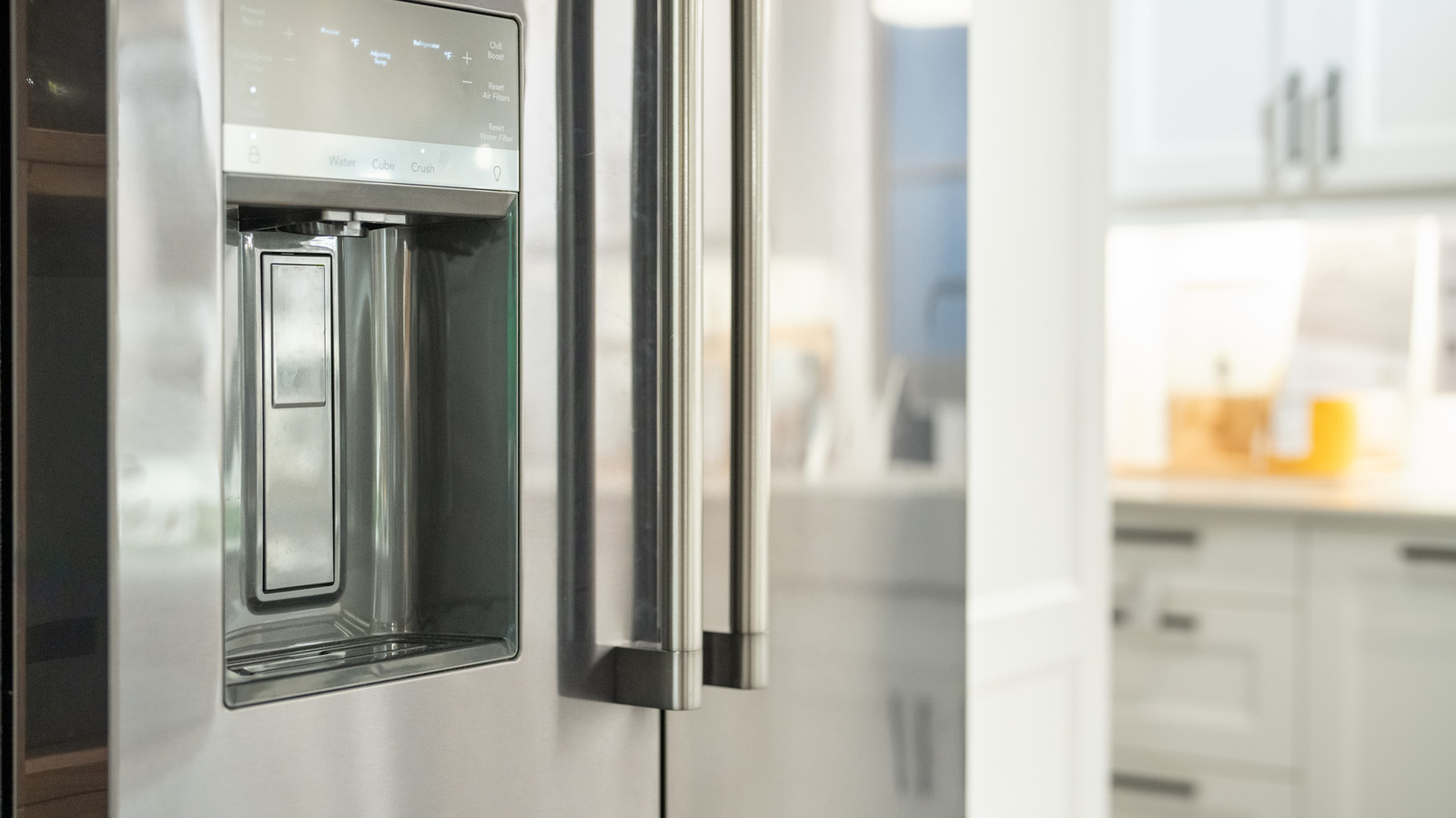
Refrigerator bills have changed a lot since the early 2000s, but not in a simple straight line. Newer fridges use far less electricity than older ones, yet higher power rates have eaten into some of those gains. The result is a kitchen upgrade story where efficiency still matters, but the final bill depends on how old the appliance is and where it is plugged in.
Back in the early aughts, a typical refrigerator could burn through about 700 to 1,000 kWh each year. Today’s comparable models often land in the 300 to 500 kWh range, which is a big drop on paper. That kind of improvement would normally be a slam dunk for consumers, except electricity prices have climbed from roughly 8 to 9 cents per kWh in 2000 to about 17 to 19 cents per kWh now.
That price jump changes the feel of the savings, even when the machines themselves are clearly better. A fridge from the early 2000s using around 850 kWh a year at 8.5 cents per kWh cost about $72 annually to run. A modern Energy Star model using 400 kWh a year at 18 cents per kWh lands at about the same figure, which is a pretty wild reminder that progress and pricing can cancel each other out.
The math gets more interesting in places with expensive power. In states where electricity can run 25 to 35 cents per kWh, that same 400 kWh refrigerator could cost $100 to $120 a year. So the appliance may be more efficient than ever, but the local utility bill still has the final say on how much that efficiency actually feels like in daily life.
Even with all that, holding onto a dated refrigerator can be a bad deal. Older units from the 1990s often used 1,200 to 1,500 kWh per year, and at today’s rates that means about $216 to $270 every year just to keep the door cold. That is where the savings from a new model start to look less like a bonus and more like money left on the table.
A fresh Energy Star fridge using 350 to 450 kWh a year might cost only $63 to $81 annually at current average rates. That creates savings of roughly $130 to $190 each year compared with a 1990s unit. Spread over a decade, that adds up to $1,300 to $1,900, which can cover a huge chunk of a replacement purchase.
Over the full life of the appliance, the difference gets even harder to ignore. Refrigerators often last between twelve and 20 years, so the long game can produce savings in the thousands. At the 20-year mark, the gap can reach $2,600 to $3,800, depending on usage and electricity costs, and that is before factoring in the headaches old appliances tend to bring.
Secondary fridges and garage freezers are especially easy to overlook. These backup units are often older, less efficient, and left running for years without much attention, quietly padding the electric bill month after month. Replacing one of those can cut running costs in half or better, which makes them a surprisingly juicy target for an upgrade.
That is why energy efficiency is still worth chasing, even in a world where utility prices are not exactly doing anyone a favor. A newer refrigerator may not always feel cheaper in the short run, but the long-term numbers usually tell a different story. The biggest wins go to households that are still relying on older models, especially when the kitchen has more than one fridge humming away in the background.
