
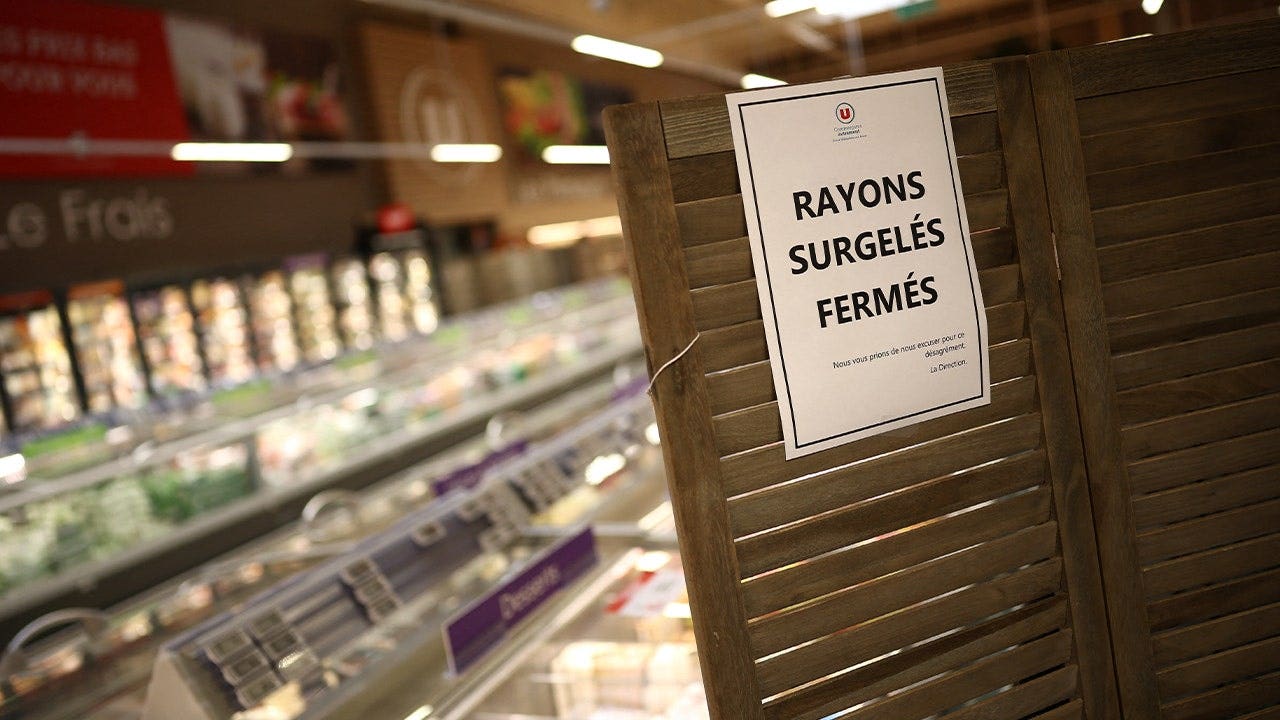
• Cyberattack hit supermarket refrigeration systems across France
• Fresh food was spoiled and thrown out after temperatures spiked
• Major chains like Carrefour and Monoprix were affected
• Investigators pointed to outdated software and vulnerable equipment
• Officials treated the incident as a serious food-security threat
A sweeping cyberattack sent shockwaves through France after refrigeration systems at hundreds of supermarkets were forced into dangerous overheating, turning store coolers into food-spoiling machines. What should have been a routine day of stocking shelves quickly turned into a costly scramble as meat, dairy, and other perishables were ruined across multiple chains.
The damage spread through some of the country’s biggest grocery names, including Carrefour, Monoprix, Les Mousquetaires, E. Leclerc, and Coopérative U. Reports said the attack touched stores in several regions, with some retailers hit harder than others, but the common result was the same: locked-up refrigeration, rising temperatures, and tons of product headed straight to the trash.
At Coopérative U, leadership moved fast to confirm the breach and reassure customers that teams were working with refrigeration specialists to get systems back online. The tone was blunt and alarmed, which made sense, because this was not a simple glitch or a power hiccup. It was a targeted hit on the equipment that keeps food safe.
Officials described the incident as large-scale, and the numbers were ugly. Carrefour said about 80 stores were affected, while Monoprix reported that 5% of its locations were caught up in the attack. In another chain, fridges at roughly 150 stores were reportedly driven up to 50 degrees Celsius, or 122 degrees Fahrenheit, for hours, enough to wipe out entire inventories of chilled goods.
The financial blow is still being tallied, but early estimates point to losses in the millions, with some figures climbing above 10 million euros, or about $11.2 million. That may sound staggering, but it starts to make sense when every cold case, dairy shelf, and freezer line in a busy supermarket has to be emptied and replaced all at once.
Authorities in Paris confirmed they were treating the case as a serious cyberattack, not an isolated equipment failure. That matters because the target was not a cash register or a website, but the machinery that protects the food supply itself, which adds a much bigger layer of concern for consumers and businesses alike.
Attention quickly turned to the hardware and software behind the refrigeration systems. Reports pointed to equipment from Danish manufacturer Danfoss, and the company said many affected units were older products that no longer received software or security updates. That kind of aging tech can become a sitting duck when attackers go looking for weak spots.
French Prime Minister Sebastien Lecornu ordered the national cyber agency to investigate, and officials said a vulnerability in supplied software had already been identified. The reaction was sharp because the attack struck at something basic and public, the ability to keep food cold, safe, and fit for sale.
European officials also weighed in, calling the attack a direct threat to food safety. Christophe Hansen, the European Union’s Commissioner for Agriculture and Food, said the weaponization of food had become a reality, which gave the whole episode a darker edge than a typical corporate breach.
The incident also raised a broader warning for retailers everywhere: connected systems can save money and streamline operations, but they can also open the door to chaos when security lags behind. In this case, a few vulnerable links in the chain were enough to trigger waste, panic, and a wave of expensive cleanup that will linger long after the fridges cool back down.
