
Checklist:
- 9/11 grief and the moment Stephen Siller was lost
- The desperate phone calls and the message from Ground Zero
- The family’s reaction and the pain of that night
- Stephen’s sacrifice and the meaning of service
- The founding purpose of the Tunnel to Towers Foundation
- A legacy built around doing good for others
Some days split life cleanly in two, and September 11 did that with brutal force. A family phone call, a firefighter’s voice from the chaos, and one sentence that no brother wants to hear changed everything in a matter of seconds. What followed was grief, shock, and a hard new purpose that would shape every step after.
On that morning, Stephen Siller was trying to get where he belonged, headed back toward his firehouse after already finishing his shift. The attacks turned an ordinary route into a final run toward danger, and for his family, the waiting started before the truth was even spoken aloud. Hope kept hanging on by a thread, even as the silence on the other end of the line grew heavier.
The calls kept coming, or more accurately, kept failing. A Nextel phone became a lifeline that never answered back, and the push of the walkie-talkie button turned into a painful habit that lasted through the night and into the next days. That kind of waiting is its own storm, because every ring carries a little more hope and a little more fear at the same time.
When the family gathered, the room filled with the kind of quiet that only tragedy can create. People sat together, watched the terrible images on television, and tried to absorb what the world was still struggling to understand. In homes across America, that same stunned silence settled in, but in this case it was personal, immediate, and carved into the heart of a family that had already been through enough.
Then came the call from Ground Zero, and with it, the truth that had been pressing in all along. The words were plain and devastating: “No one is coming home, Frank,” Richie whispered. “No one.” That line lands like a hammer because it takes uncertainty and turns it into reality in one breath.
The reaction that followed was raw and human, not polished or distant. Tears came, prayers followed, and the family moved toward one another because there was nothing else left to do except hold on. Stephen’s wife, Sally, and their five children were suddenly facing a future no one should have to imagine, and that reality made the loss even sharper.
What stands out in stories like this is not just what was taken, but what was left behind. Stephen had already lived through hardship, and he had carried himself with the kind of grit that leaves a mark on everyone around him. His death became part of a larger American wound, but it also became a source of fierce resolve.
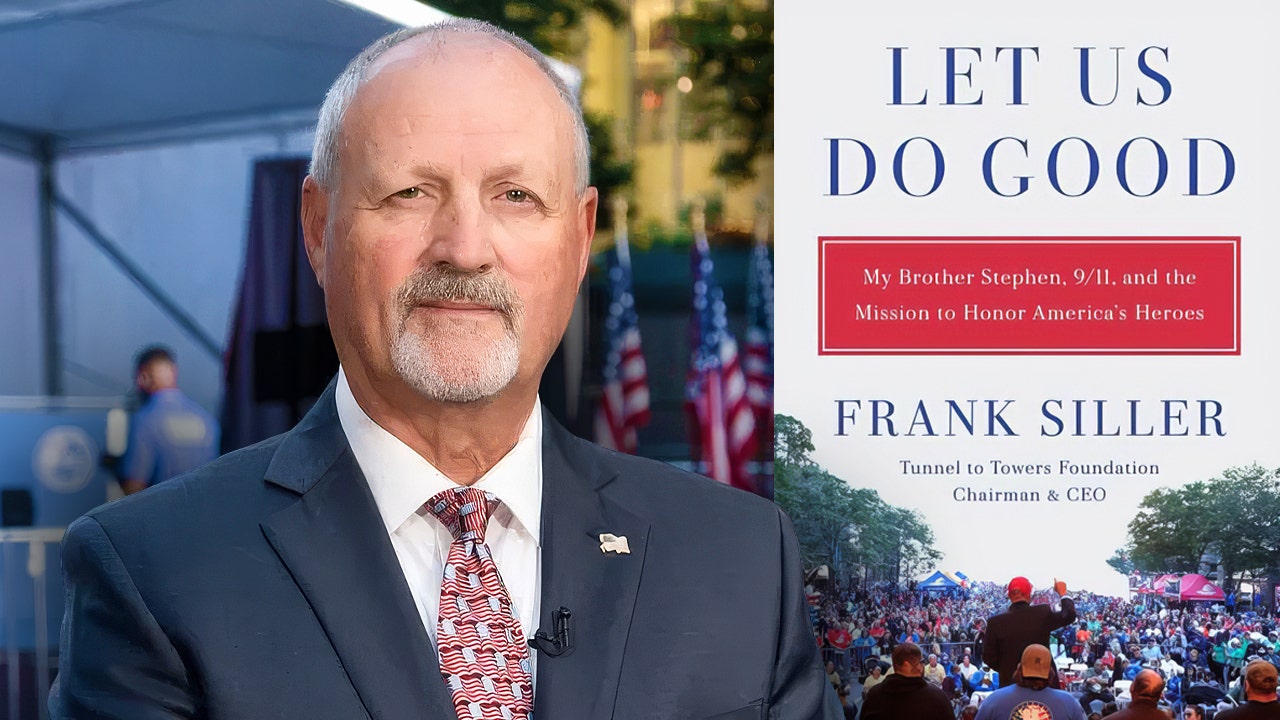
That resolve grew into service, and service became a mission. The Tunnel to Towers Foundation was created to honor Stephen’s memory and to carry forward the idea that ordinary people can do extraordinary good when they choose to show up for others. The work grew around a simple but powerful belief that helping first responders, veterans, and families in need is not charity in the soft sense, but duty with a heartbeat.
The deeper meaning sits inside the family’s faith and the values they were raised with. The phrase “while we have time, let us do good” was not just a nice line on a wall, but a way of moving through the world. Stephen lived that out in the most powerful way possible, and the people who loved him turned that lesson into action instead of letting it fade into memory.
Loss can freeze time, but it can also sharpen purpose. That is what made Stephen’s story endure, because it was never only about the tragedy of one morning, but about the decision to answer heartbreak with work that matters. The kind of love that says, “I love you, brother,” and then keeps going has a way of changing everything around it.
