
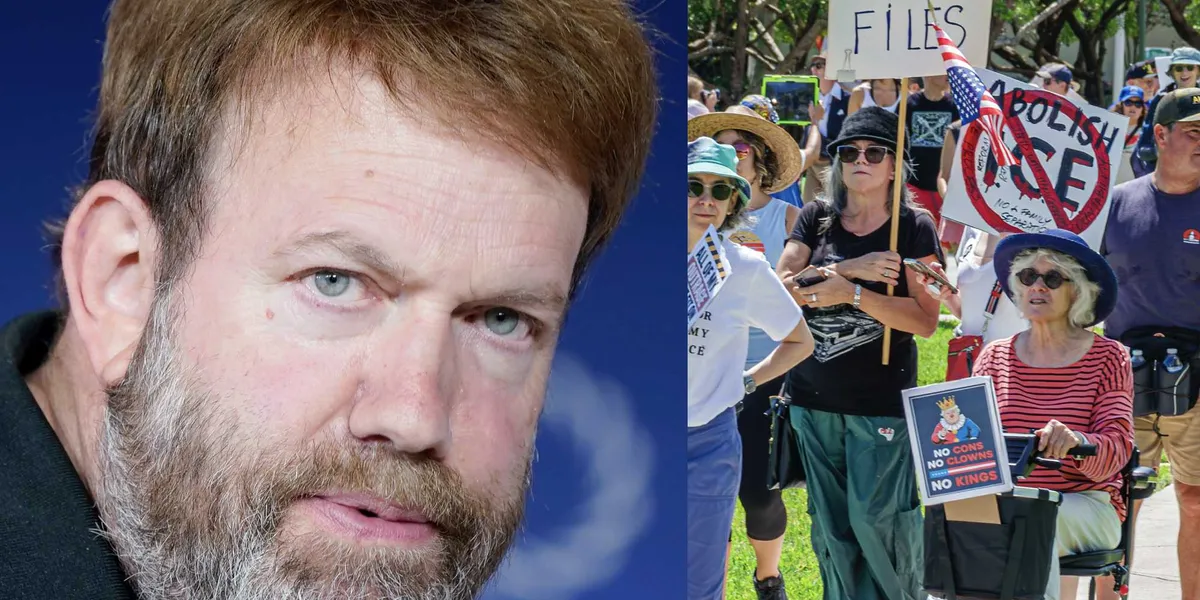
Frank Luntz delivered a blunt reality check to Democrats, and it landed like a cold splash of water. The veteran pollster’s read on the numbers points to a political climate that is still giving Republicans an opening, even as Democrats try to sell a different story.
For months, Democrats have leaned on public polling to suggest they were regaining ground. Luntz, though, made clear that the headline numbers are only part of the picture, and the deeper mood among voters is not nearly as friendly to their side as some strategists want to believe.
The main problem is simple: voters are not moving in lockstep with the optimism coming out of Democratic circles. Inflation, frustration with Washington, and broader distrust of the political class continue to shape how people see both parties, and that tension keeps the race environment volatile.
Republicans have benefited from that atmosphere because many voters still view them as the party more likely to put a lid on chaos and get a grip on the economy. That perception matters, especially in a cycle where small shifts in turnout and enthusiasm can decide who gets control of Congress.
Luntz’s comments also underscore how dangerous it is to confuse a temporary polling bump with a durable advantage. Numbers can look better in one week, then turn flat or ugly the next if voters feel like their real concerns are being ignored.
Democrats have hoped that Donald Trump’s continued presence in the political conversation would keep Republicans boxed in. Instead, the issue has often worked in the opposite direction, helping GOP voters stay motivated while reminding independents why they are uneasy with the left’s governing style.
That dynamic is especially important heading toward the midterms, where even a modest edge in enthusiasm can matter more than polished messaging. If voters are angry about costs, immigration, crime, or the general direction of the country, they tend to punish the party in charge regardless of the spin coming from cable news panels.
Luntz’s warning is really about momentum, or the lack of it. Democrats may celebrate favorable snapshots, but elections are won by the side that can hold attention, build trust, and keep people engaged when the headlines get messy.
Republicans, meanwhile, are getting a boost from the fact that many Americans still want something different from what they see in Washington. That does not mean victory is automatic, but it does mean Democrats cannot simply point to a polling average and assume the fight is going their way.
In the end, the numbers may be tighter than party operatives would like, but the emotional weather still favors the GOP in key places. That is why Luntz’s take hits so hard: it cuts through the noise and shows that the political ground underneath Democrats is not as solid as they have been hoping.
