
Fr. Chad Ripperger’s comments on Asmodeus and St. Raphael set the tone for a provocative look at same-sex attraction, spiritual warfare, and the battle over how people explain desire. The piece pushes past the usual public debate and argues that something deeper than biology or childhood is at work, especially in the lives of men struggling with attraction, identity, and temptation.
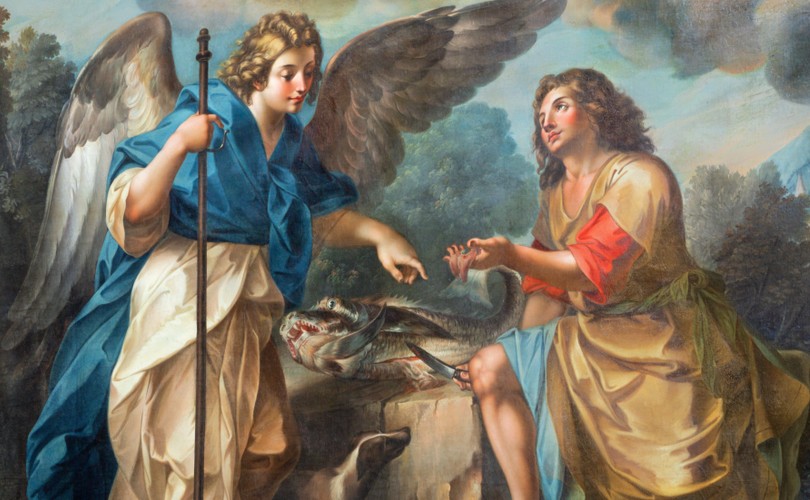
Ripperger’s point is blunt: “Asmodeus is the demon of homosexuality in men.” He also ties St. Raphael to the struggle, describing him as a direct enemy of Asmodeus and a source of help for those facing impurity and confusion. The reference to the Book of Tobit gives the argument a scriptural backbone, with Raphael protecting Sarah and Tobias by sending the demon away into the desert.
From there, the article turns to a bigger complaint about how the culture talks about homosexuality. In public, the story is usually squeezed into two lanes, nature or nurture, with “born that way” treated like the final word. The author argues that this framing isn’t just incomplete, it actively hides a spiritual reality that many people are too quick to ignore.
That critique is aimed squarely at the LGBTQ establishment, which the piece says has benefited from presenting same-sex attraction as fixed and untouchable. The argument is that this narrative has been repeated so often that it now feels like common sense, even to people who have never seriously heard another view. Once that happens, questioning the story gets treated like a social offense instead of a legitimate challenge.
The article also draws a hard line between psychological factors and spiritual influence. It does not dismiss counseling or therapy, and it credits Christian therapists with helping people understand deeper patterns and wounds. But it insists that demonic pressure can still intensify lust, loneliness, shame, and confusion, turning temptation into something that feels relentless and sticky.
That’s where the language gets sharper. The author describes homosexuality as a weapon Satan has used to fracture the Church and deform souls, not just a private struggle. The concern is not merely personal behavior, but the way public institutions, religious leaders, and cultural trends normalize what the piece sees as corruption.
The article points to clerical scandals and public advocacy inside the Church as examples of how deep the problem can go. It raises alarms about homosexuality among priests and bishops, and it treats that reality as part of a broader spiritual crisis rather than a random moral failure. The tone is grim, but it is also convinced that hidden influence matters just as much as visible actions.
One of the strongest parts of the piece is its insistence that this is not the same as possession. The author instead talks about enslavement, a grinding condition where thoughts, images, and emotions keep pulling someone back toward the same patterns. That idea gives the article its emotional charge, because it frames the struggle as both deeply personal and fiercely contested.
The prayer section shifts the mood into something more urgent and devotional. It calls on Saint Michael, Saint Raphael, Saint Gabriel, the guardian angels, Saint Joseph, and Blessed Jerzy Popiełuszko to help men break free from pride, lies, and destructive desires. The prayer asks not just for relief, but for courage, truth, and a new kind of manhood built around holiness and discipline.
What lingers is the article’s insistence that the real battle is spiritual and that silence helps the wrong side. Whether a reader agrees or not, the argument is clear and relentless: the issue is not just identity politics or psychology, but a fight over the soul, the Church, and the meaning of truth itself. That’s why the piece keeps leaning into prayer, warning, and the hope that grace can do what culture has stopped trying to do.

2 Comments
Been so since day 1 in the BC era to today
This is the fallen finite world where the prince of the air Satan runs rampant seeking souls he can devour; that will not end until final judgment which is approaching fast upon this mortally sick world with its crooked ways! With the advent of mass media in the modern age and now the smart phones for stupid people the war of words and deceptions is never more than finger tips away to further pollute and corrupt hearts, minds and souls! The Hi-tech beast system is having it’s way with the masses! The following excerpt is spot-on!
“Whether a reader agrees or not, the argument is clear and relentless: the issue is not just identity politics or psychology, but a fight over the soul, the Church, and the meaning of truth itself. That’s why the piece keeps leaning into prayer, warning, and the hope that grace can do what culture has stopped trying to do.”
Time is running out fast for this world and never has there been a time when so many needed to wake up so fast, and they had better!