
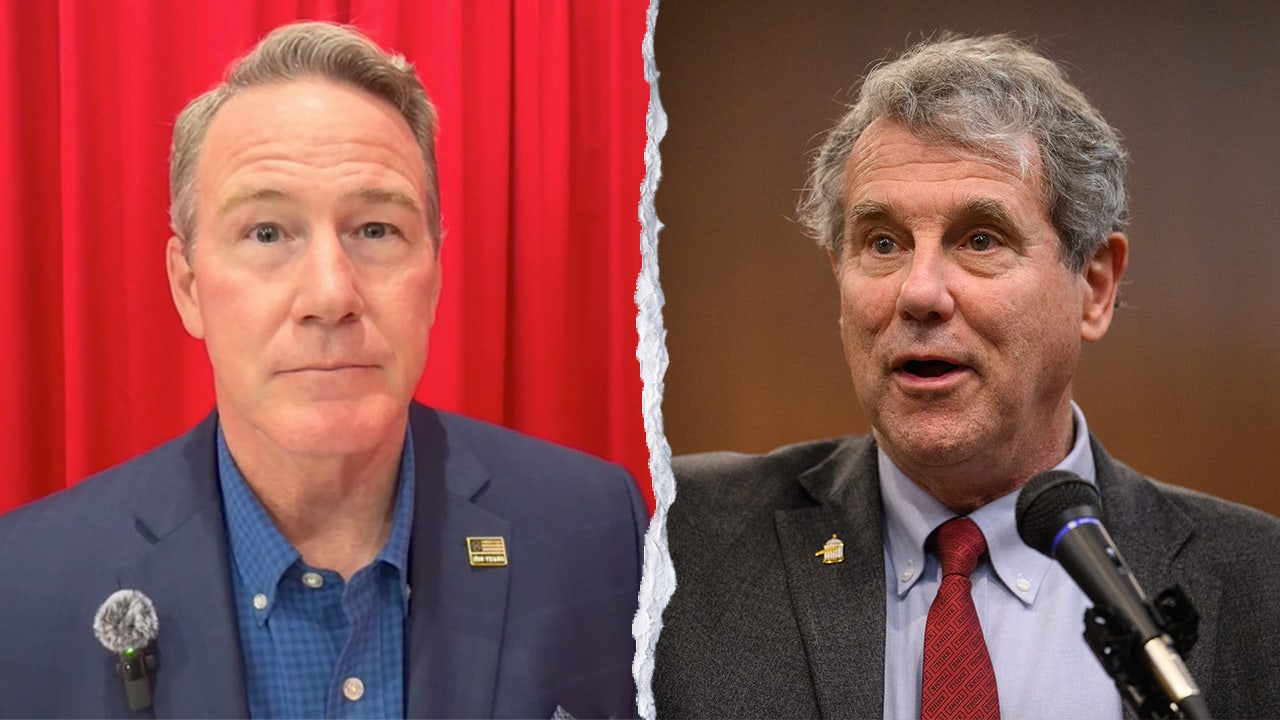
The latest Ohio Senate survey shows a race shaped by more than party labels. Sherrod Brown is riding stronger personal ratings, a noticeable gender divide, and broad frustration over household costs and the political mood around Donald Trump, while Jon Husted is trying to hold the line in a contest that has turned stubbornly competitive.
Brown leads Husted 52% to 47% among likely voters, and the numbers behind that margin tell a sharper story. Brown is viewed slightly more favorably than unfavorably, while Husted’s image is clearly upside down, leaving him with an extra burden as the campaign tightens.
That gap matters because voters are not just choosing between two names on a ballot, they are reacting to trust and familiarity. Brown’s edge is built on a steadier personal brand, and Husted has not yet closed the perception problem that keeps dragging his standing down.
There is also a tone of unease running through the electorate, and it is not subtle. More voters say their financial situation is worse than it was two years ago than say it is better, and that frustration is landing hard on the Republican side of the race.
People who feel squeezed are breaking strongly for Brown, while those who say they are doing better lean the other way. That kind of pocketbook divide gives the challenger a natural opening, especially when the economy feels more like a daily headache than an abstract debate.
Trump’s standing in Ohio is another drag on Husted. Even in a state the president carried in 2024, approval has slipped enough to complicate any attempt to tie a Republican Senate candidate too closely to him.
The concern cuts both ways, but it lands differently. A majority of voters worry Husted is too close to Trump, while Brown also faces his own criticism from voters who think he leans too liberal, showing that both campaigns are dealing with suspicion from the middle of the electorate.
The gender split is especially loud. Women back Brown by a wide margin, men prefer Husted, and the result is an 18-point gap that gives the race a very different look depending on which voters are counted.
Brown also does well with younger voters, college graduates, union households, and people in cities and suburbs. Husted’s strength is concentrated in rural areas, among non-college White men, married voters, and older voters, which keeps him in the fight but leaves him with a narrower path.
Party loyalty still matters a great deal, but even there the edges are not perfectly sealed. Husted gets most Republicans, Brown gets almost all Democrats, and independents tilt toward Brown, which is exactly the kind of split that can decide a close statewide race.
Another warning sign for the Republican side is that voters who dislike both candidates still lean toward Husted, but not by enough to erase Brown’s broader advantages. Add in the fact that Brown is ahead among very engaged voters and among people who have already cast ballots, and the field starts to look even tougher for the appointed senator.
The statewide mood extends beyond the Senate fight. In the governor’s race, Democrat Amy Acton is narrowly ahead of Republican Vivek Ramaswamy, and the same gender pattern shows up there too, with women leaning Democratic and men leaning Republican.
That parallel matters because it suggests the divide is not just about one candidate or one ad campaign. It reflects a wider split in how Ohio voters are sorting through politics right now, with family budgets, party identity, and personal impressions all pulling in different directions.
Ticket splitting is still alive as well, which keeps both parties on alert. Some Brown supporters are willing to cross over for the governor’s race, and a smaller number of Husted backers are doing the same in the other direction, a reminder that not every voter is locked into a single lane.
The survey was taken before a new negative television ad entered the conversation, which means the ground can still shift. For now, though, Brown has the cleaner image, the stronger momentum among key blocs, and the better fit for a moment when a lot of Ohioans seem fed up, uneasy, and ready to send a message.
