
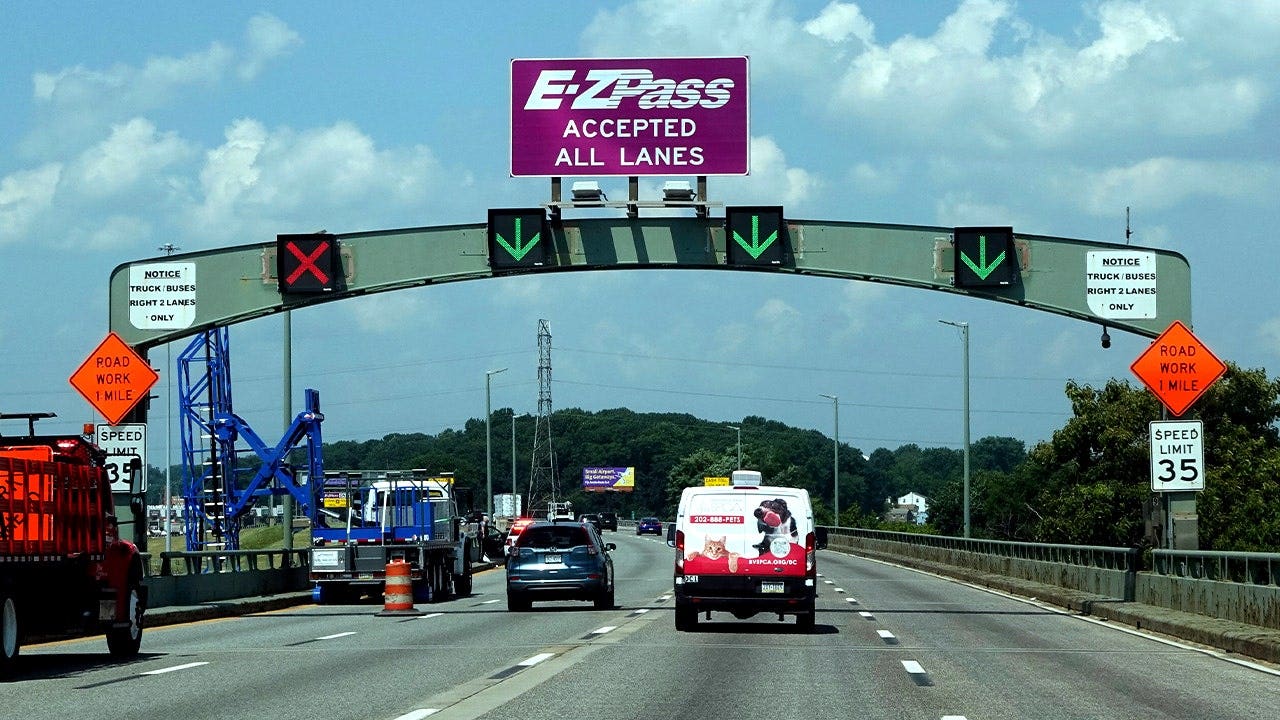
Fake toll notices are getting sharper, louder, and a lot more convincing, which is exactly why this E-ZPass email stands out. It uses familiar branding, a made-up violation number, and a scary warning about fines or registration trouble to push people into acting fast. The real trick is that it feels urgent enough to make someone skip the thinking part, which is where scams do their best work.
The message claims an overdue toll could lead to a $100 penalty, collection trouble, and problems renewing a vehicle registration. It even includes an official-looking payment prompt and language meant to sound legal, as if the notice were pulled straight from a government file. That mix of pressure and polish is what makes phishing emails like this so dangerous, especially when the recipient has recently used a toll road and might assume the notice is real.
One of the biggest giveaways is the sender information. The email may wear the E-ZPass name on the outside, but the actual address tells a different story, and that mismatch is a classic fraud signal. Scammers lean hard on display names, logos, and spoofed details because they know most people won’t dig deeper when a bill seems overdue.
Another red flag is the request to pull the message out of spam and move it into the inbox. That is a strange move for any legitimate payment notice, especially one that also threatens penalties if the recipient does not comply quickly. When a message both asks for trust and looks like it wandered in from a suspicious domain, it deserves extra skepticism.
The legal citation in the email is another neat little disguise that falls apart on inspection. It points to federal regulations that have nothing to do with forcing drivers into a payment link for an alleged toll balance. That kind of borrowed authority is meant to make the message feel official, but it is really just window dressing for a scam.
The fear factor is doing a lot of the heavy lifting here. A $100 civil penalty sounds bad enough on its own, but the mention of possible registration problems pushes the panic button even harder. The email also leaves out basic details like the actual toll location, license plate number, and a clear breakdown of what was supposedly owed, which is exactly the kind of missing information that should make people pause.
That is why these scams keep spreading. Drivers are used to seeing toll-related alerts, and criminals know they can turn that routine into confusion with a believable message and a payment link. Similar schemes have long circulated through text messages, but email gives them another channel and a more polished disguise.
The safest move is simple: never use the link inside the message. Go straight to the toll agency’s official website or app, sign in the normal way, and check the account there. If the notice is real, it will show up where it belongs, and if it is fake, the scam falls apart before any money or personal information changes hands.
It also helps to slow down when the message tries to rush the decision. Scammers depend on fear, not logic, because panic makes people click first and ask questions later. A threatening toll email can look convincing at a glance, but the address, the wording, and the missing details often tell a very different story once they are examined closely.
Anyone who already clicked should act fast, but there is no need to spiral. Close the page, avoid entering anything else, and run a security scan if the device was exposed. If payment details were entered, the card issuer should be contacted right away, and if account credentials were shared, the password needs to be changed immediately on the real toll account.
Reporting the email is worth doing too. Mark it as phishing through the email provider, then send the details to the proper fraud-reporting channels so the message can be tracked and flagged for others. The more these fake toll notices get reported, the harder it becomes for scammers to keep recycling the same old trick with a fresh coat of paint.
