
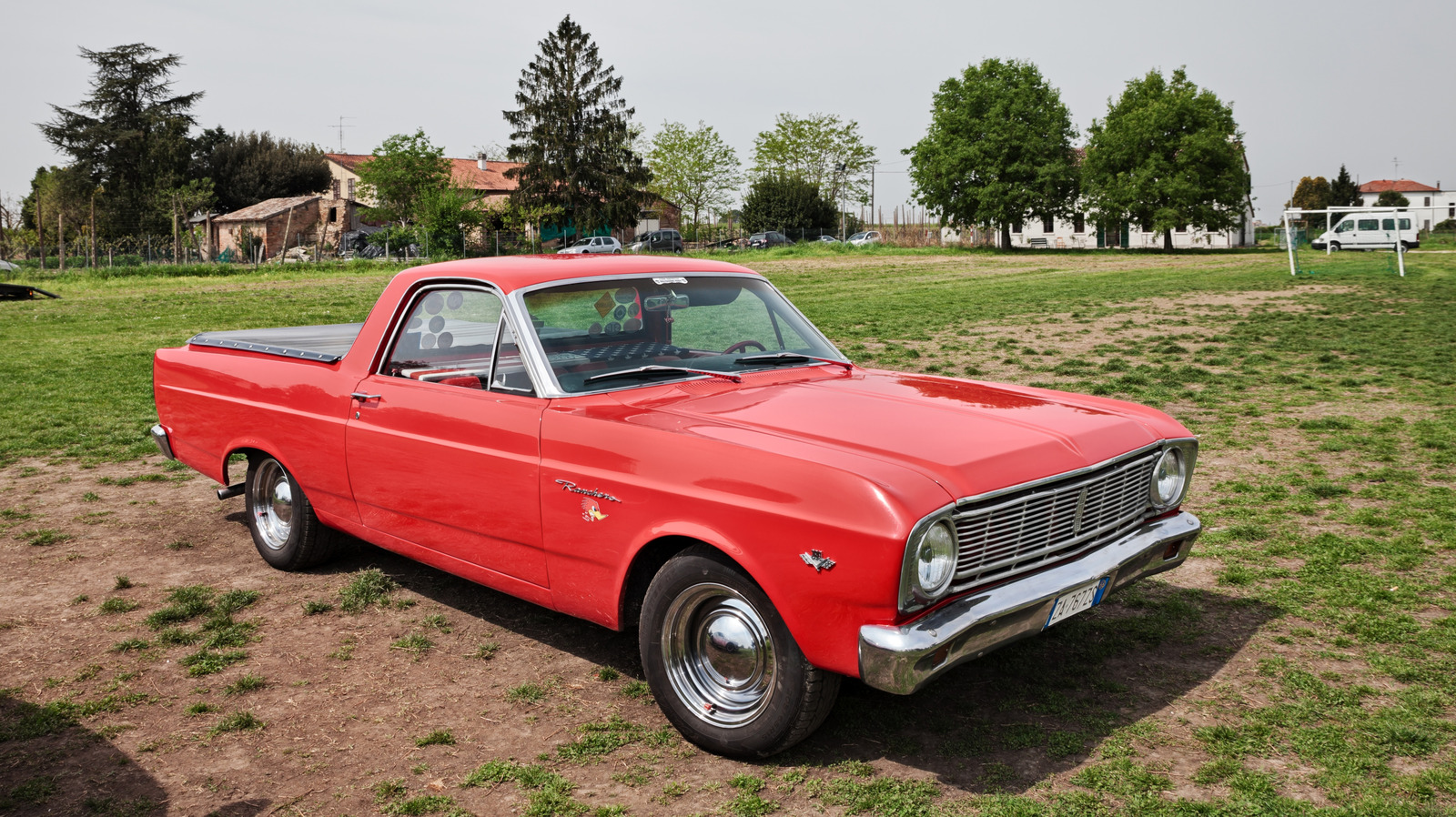
Names have weight in the car world, and Ranchero is one that still turns heads. Ford quietly reclaimed the rights to that storied name, and for enthusiasts and strategists alike it hints at something more than nostalgia.
The Ranchero launched Ford into a niche it owned for decades: a car with a bed. From 1957 through the late 1970s the Ranchero blended passenger-car comfort with pickup practicality, carving a place in suburban driveways and small-business garages. Its seven generations reflected changing tastes and regulations, yet the basic idea stayed simple and useful.
Getting the name back isn’t just paperwork. Trademarks anchor future choices — badges, marketing, and even legal control over what other companies might try to sell under that banner. For Ford it means options: resurrect a classic, reimagine the concept for modern buyers, or simply protect brand heritage so retro-loving rivals don’t cash in on the cachet.
Retro revivals have a clear playbook now: honor the past, but make it new. A Ranchero revival could borrow styling cues, cabin flourishes, or nameplates without copying old tech. Alternatively, Ford could take the core idea — a comfortable, car-based load bed — and pair it with modern powertrains and safety, letting the name carry emotional value while the product meets today’s needs.
Electrification complicates and enriches the possibilities. Imagine a Ranchero-style vehicle built on a dedicated EV skateboard, with a low floor and configurable cargo area that feels more car than truck. That would satisfy the original spirit — utility with refinement — while giving Ford a clean sheet to package storage, cabin comfort, and new features that legacy platforms can’t match.
Practicality will drive buying decisions no matter the badge. Modern consumers want versatility, towing and payload where needed, but also fuel economy, connectivity, and comfort. A contemporary Ranchero concept would need to balance those demands: an interior that rivals an SUV, an exterior that nods to heritage, and a bed or cargo space that actually solves daily problems.
There’s also value in restraint. Slapping an old name on a rebadged product can backfire with hardcore fans. Ford will have to decide whether to treat Ranchero as a halo model that celebrates design history or a broader sub-brand that moves volume. Both routes have rewards and risks: one builds enthusiasm, the other builds sales, but mishandle either and the name could lose credibility.
Collectors and the aftermarket will watch closely. Even the hint of a factory-sanctioned revival sends prices up for original examples and stirs interest in restoration. That ripple effect matters because it shows an intangible payoff to Ford: brand conversations, social media chatter, and renewed attention that costs little compared with a full product launch.
Competitors won’t ignore the move. A successful Ranchero return could nudge other automakers to mine their histories or innovate within the same niche. Alternatively, Ford may use the name defensively, keeping it on hand to block rivals and to keep its archive intact for future use when timing and market conditions are right.
Reclaiming a badge is a strategic choice as much as a sentimental one, and Ford now has that choice in hand. Whether they use Ranchero to spark a retro revival, pioneer a new class of car-based trucks, or simply protect a piece of brand history, the name’s return is a small event with disproportionately loud echoes in automotive circles.
