
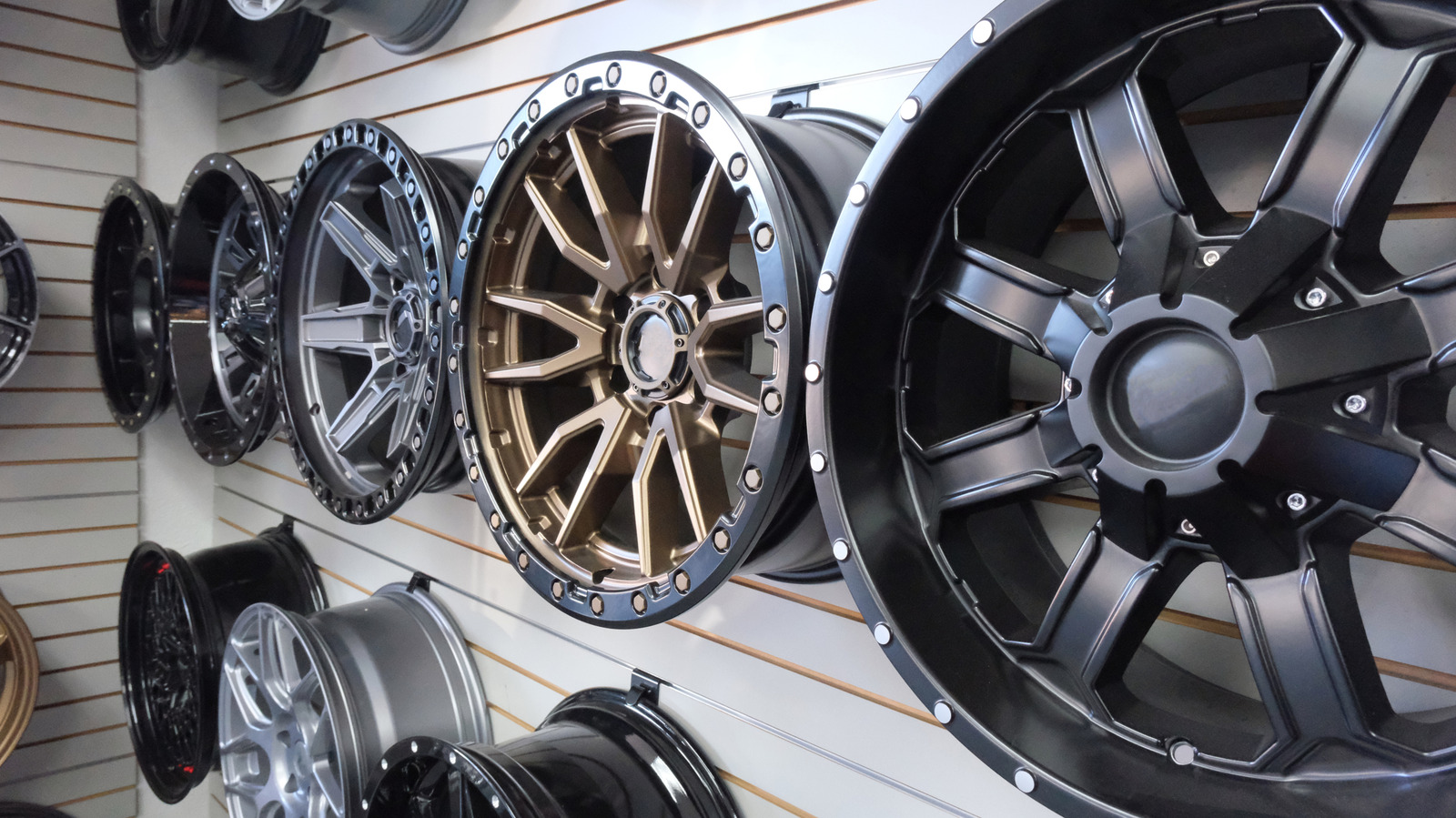
The rims on your car are tougher than they look, but they still need attention to stay that way. This piece walks through what damages rims, how to clean and protect them, the small fixes you can handle at home and the signs that mean it’s time to call a pro. Expect practical habits that keep wheels rolling longer and cheaper. No fluff, just hands-on advice that actually helps.
Your wheels take punishment from potholes, curbs and road salt, and over time that punishment adds up. A bent rim or a hairline crack often starts small, and neglect lets corrosion and stress turn minor trouble into a safety problem. Treat rims like any other vital part of the car: inspect them regularly and act quickly when something looks off.
Curb rash is the usual cosmetic culprit and it is surprisingly common. You can get a scrape just by misjudging a tight turn or brushing a parking bumper, and paint chips expose metal to moisture. That exposure invites corrosion, which spreads under finishes and weakens the wheel if left unchecked.
Cleaning is the first defense, and it is straightforward. Use a gentle wheel cleaner designed for your wheel finish, soft brushes and a microfiber towel to avoid scratching clear coats. Avoid harsh acid-based cleaners on alloy finishes, and rinse thoroughly to remove brake dust that etches metal over time.
Protection matters almost as much as cleaning, because a fresh finish buys you time. A paste wax or a dedicated wheel sealant helps brake dust and grime slide off, and ceramic coatings designed for wheels create a longer-lasting barrier. For heavy-duty protection consider clear protective film on lips and spokes that face the most contact.
Tire pressure and wheel maintenance go hand in hand; low pressure increases the chance of rim damage from potholes and curbs. Keep tires inflated to the manufacturer’s numbers and check pressure before long trips. Proper wheel balancing and regular alignment checks stop uneven stresses that can lead to wobble and accelerated wear on both tires and rims.
Winter deserves special attention because salt and slush are a corrosive cocktail. Rinse wheels more often during cold months and consider switching to steel winter rims if you live where roads get salted. If you do keep alloy wheels on, thorough washing after snowy drives prevents pitting and keeps brake components cleaner.
Small cosmetic damage is fixable at home if you know the limits. DIY curb-rash kits, sanding and touch-up paint can make a wheel look nearly new, and polishing minor oxidation works for clear-coated alloys. For deep gouges, structural bends or cracked spokes, leave it to a professional who can assess whether to repair, weld or replace safely.
Choosing the right repair matters because not all fixes restore strength. Powder coating and professional refinishing give great results for aesthetics, but structural damage may need straightening with hydraulic tools or full replacement. Ask shops about certifications and whether they use nondestructive testing methods when safety is a concern.
Get into an inspection habit: glance at rims any time you rotate tires or check pressure, and run a hands-on check during seasonal service. Look for hairline cracks, bends, bubbling paint and corrosion that penetrates through. If you hear thumps at speed, feel vibration through the steering wheel or notice uneven tire wear, priority-service your wheels for balancing and a detailed check.
Little habits add up to big savings and better safety. Keep lug nuts torqued to spec, keep records of cleanings and repairs, and avoid oversized tires that put extra leverage on rims. When in doubt, seek a trusted shop for a quick safety evaluation rather than risking a drive on a damaged wheel. Your rims will thank you with smoother, safer miles.
