
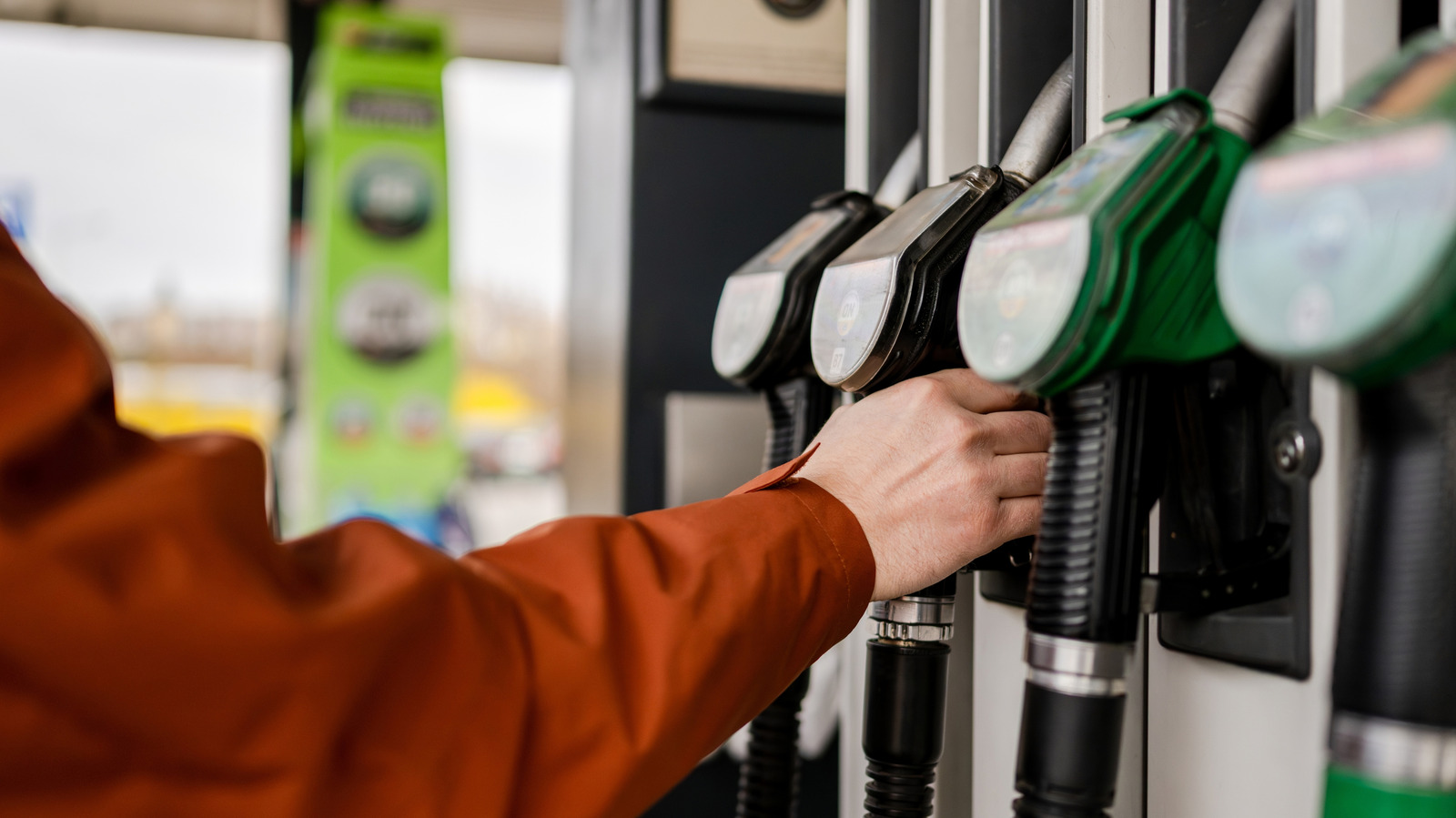
The quarter tank rule is a simple habit that can spare you unexpected breakdowns, extra repair bills, and the stress of running on fumes. This article explains why keeping at least a fourth of your fuel helps protect your vehicle, preserve the fuel system, and make emergency situations easier to handle, while offering practical tips to build the habit into your driving routine.
First off, think of the fuel tank as more than a storage container. Modern vehicles rely on the fuel tank to help cool and lubricate the fuel pump, and when levels fall very low the pump can overheat and wear out faster than it should. Replacing a failed fuel pump is rarely cheap and is almost always avoidable by keeping a sensible reserve in the tank.
Another reason to avoid running below one quarter is sediment and debris that naturally accumulate at the bottom of the tank. When fuel is low, the pump pulls from closer to that settled layer and can tug particles into filters and injectors, causing clogs and poor performance. Those clogged components are costly headaches and often show up as rough idling, loss of power, or warning lights.
Practical safety matters too. Low fuel leaves you with little margin for error if traffic snarls, detours pop up, or an emergency takes you off your planned route. Keeping fuel above one quarter gives you extra range for rerouting, getting off the highway, or making it to the nearest service station without panicking. That buffer is especially valuable at night or in bad weather when stations are less frequent.
Fuel quality and volatility are factors most drivers overlook. Gasoline can degrade slowly and attract water or contaminants if left sitting in small amounts for long periods. Topping up before you hit the quarter mark helps keep fresher fuel cycling through the system and reduces the odds of condensation forming in the tank during temperature swings.
There are financial reasons as well. While it might seem thrifty to top up only when the tank is almost empty, waiting often leads to buying at higher prices near highway exits or in inconvenient locations. Regular to moderate fill-ups let you watch for price dips, buy when convenient, and avoid the premium you sometimes pay under pressure when the fuel light starts flashing.
Turning the quarter tank habit into routine is straightforward. Pick a consistent point to refill, like after dropping below 30 percent indicated or the real-world distance you usually cover on a tank. Use the same reliable stations when you can and note how many miles you actually get between stops so your judgment matches your car, not just the gauge. A little planning reduces stress and keeps the vehicle happier.
Quick maintenance tips round out the approach. Keep records of how often you replaced filters or had fuel-system service and see if improving your fill strategy reduces those visits. Check for fuel gauge accuracy if you notice strange behavior, and if you frequently run the tank low because of travel patterns, consider carrying a small, approved fuel container for extreme emergencies. Small changes pay off in fewer surprises and lower long-term costs.
