
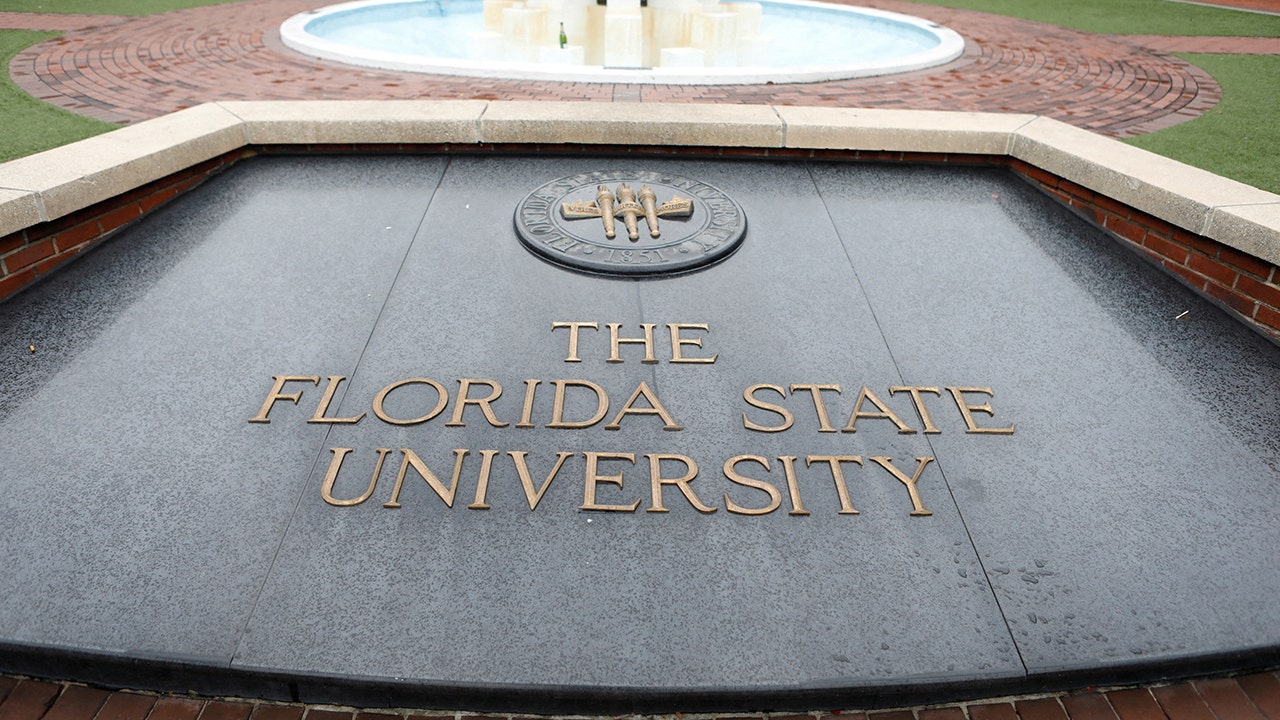
Florida State University is facing a new federal civil rights probe after complaints raised questions about dozens of scholarships and whether the school crossed the line on race or sex-based preferences. The case puts a spotlight on the gap between donor language and legal eligibility, while federal officials and critics argue over whether those distinctions hold up under civil rights law.
The Trump administration opened the investigation through the Department of Education’s Office for Civil Rights, which is looking at possible violations of Title VI and Title IX. The complaint centers on 32 scholarships at FSU and says some may discriminate based on race, color, national origin, or sex.
That complaint came from the Equal Protection Project, which filed it in July 2025 and flagged a long list of awards tied to identity-based preferences. The Department of Education’s Aug. 4 letter reportedly names the programs and notes that FSU receives federal financial assistance, which means it has to follow those civil rights rules.
William Jacobson, who founded the Equal Protection Project and teaches at Cornell Law, said Florida State stood out even in a crowded field of challenged universities. He described the school as having an unusually large number of questioned scholarships, especially for a public university in a state that has tried to crack down on DEI-style policies.
His criticism is blunt: Florida has made a big show of rejecting discrimination in higher education, yet the complaint says FSU still has scholarships that appear to favor certain racial or sex-based groups. In Jacobson’s view, that makes the situation less of a gray area and more of a head-on contradiction.
FSU, though, is pushing back hard. The university says all students are allowed to apply for the scholarships in question, and that donor preferences do not automatically become eligibility rules.
That difference sits at the center of the dispute. FSU also says the scholarships are paid for through private donations, not university funds, and that applicants are reviewed equally based on merit.
Some of the contested awards are easy to understand why they drew attention. One example, the Crockett Family Fund for Excellence, reportedly says any student may apply but notes a donor preference for an African American or Black recipient.
Other scholarships in the complaint are even more explicit about race or sex preferences. The Crossman Career Builders Scholarship reportedly favors a female recipient who is Black, African American, Hispanic, or a member of the Seminole Tribe, while another scholarship expresses a preference for an African American male.
A separate award, the Dynamic African American Women in Engineering Powerhouse Scholarship, also reportedly says any student may apply but shows a preference for an African American female student. The complaint says that pattern repeats across multiple programs, which is why the number of scholarships under review has drawn so much attention.
Sex-based preferences are also part of the mix. The College of Arts and Sciences Student Travel Awards is cited as one example of a scholarship that is open to all applicants but still expresses a preference for a female recipient.
Jacobson argues that calling something a preference does not erase the underlying problem. He says schools cannot avoid scrutiny by wording things carefully while still steering benefits toward one race or one sex.
The Department of Education has not said FSU broke the law. OCR made clear that opening a case does not mean guilt, and that investigators will gather facts from the university, the complainant, and other sources before reaching any conclusion.
Even so, the move matters because formal investigations are not handed out casually. Jacobson called it a major step and said it shows federal officials are taking the complaint seriously enough to open the books and look closely at how the scholarships are structured.
The Equal Protection Project says the scholarships may also run afoul of the Equal Protection Clause of the 14th Amendment, Florida law, and FSU’s own nondiscrimination policy. Jacobson has stressed that the goal is not to wipe out the money, but to strip out the discrimination and let students compete on equal footing.
The group is also urging Florida officials to take a closer look. Jacobson has called on Attorney General James Uthmeier and Gov. Ron DeSantis’ administration to review the programs, saying the state should not let a public university keep running scholarships that appear to divide students by race or sex.
For now, the university, the Education Department, and state offices have not publicly settled the matter, and the paperwork fight is only getting started. The scholarship language, the donor intent, and the legal lines around public education are all on the table at once, which is exactly where this case now sits.
