
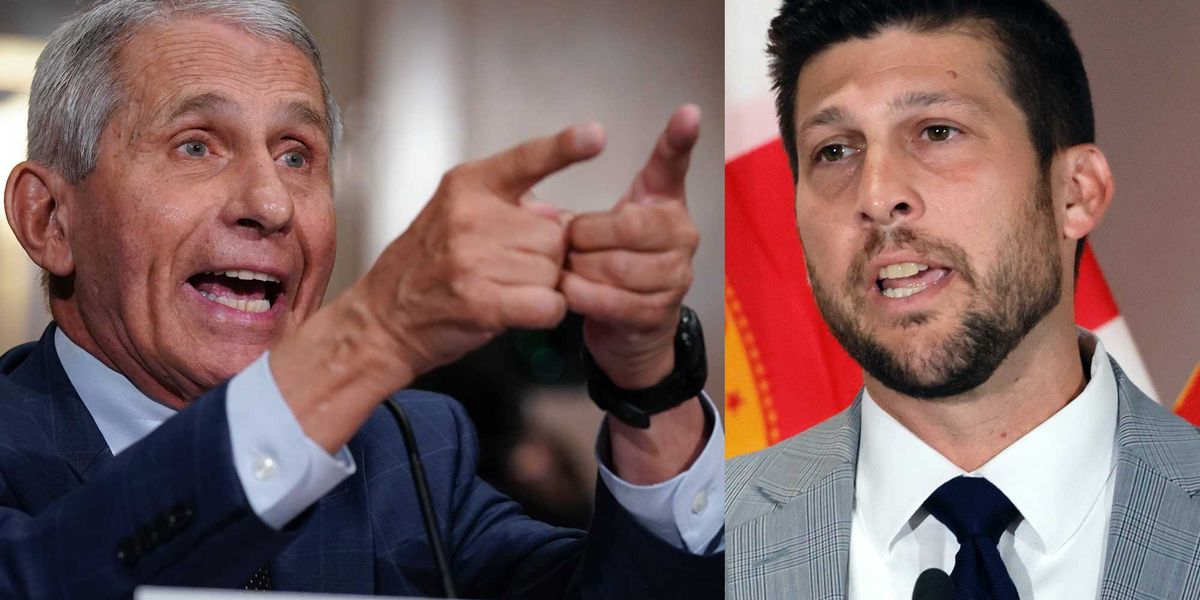
Florida is turning up the pressure in the long-running COVID accountability fight, with state officials pushing forward on demands for answers tied to Anthony Fauci and the decisions that shaped the pandemic response. The move puts fresh attention on the power struggle between state investigators and one of the most recognizable public health figures in modern politics.
The issue is not just about one name or one hearing. It is about what happened behind closed doors when Americans were being told to trust the experts, follow the rules, and accept sweeping public health orders that changed daily life in ways few could have imagined.
Florida Attorney General James Uthmeier has said a major subpoena has been served, and that alone signals this is not being treated like a routine paperwork dispute. In plain English, the state wants answers, documents, and a clearer picture of how key COVID decisions were made and communicated.
Fauci became the face of the federal pandemic response for millions of Americans, praised by some as steady and criticized by others as controlling and inconsistent. That split still defines the debate, especially in states like Florida where leaders resisted heavy-handed restrictions and later argued that many federal moves went too far.
The subpoena effort lands in a political moment where many voters still want accountability for lockdowns, mandates, school closures, and the public messaging that surrounded them. For a lot of people, the pandemic was not just a health crisis, it was a trust crisis, and the anger has not fully gone away.
That is why this fight has a bigger edge than the usual partisan back-and-forth. When government officials demand obedience but offer shifting explanations, people remember, and the demand for receipts gets louder with every passing year.
Florida has leaned hard into that mood, especially under leaders who have made a point of challenging federal overreach. The state’s posture suggests it sees this as part legal inquiry, part political reckoning, and part warning shot to anyone who thought the pandemic era would simply fade into history.
The subpoena also feeds a broader national appetite for documents, testimony, and internal records that could reveal how much was known, when it was known, and how much of the public messaging was driven by science versus fear. That question matters because public trust is hard to rebuild once it has been cracked wide open.
Supporters of the move say Americans deserve transparency, especially after years of being told that dissent was dangerous and uncertainty was settled science. Critics may dismiss the effort as old grievances, but that misses how deeply the COVID years shaped family life, education, work, and confidence in institutions.
The Florida push keeps the spotlight on Fauci at a time when many expected his role in public life to have cooled off for good. Instead, his legacy remains a flashpoint, with every new legal move reminding the country that the pandemic’s political aftershocks are still very much alive.
