
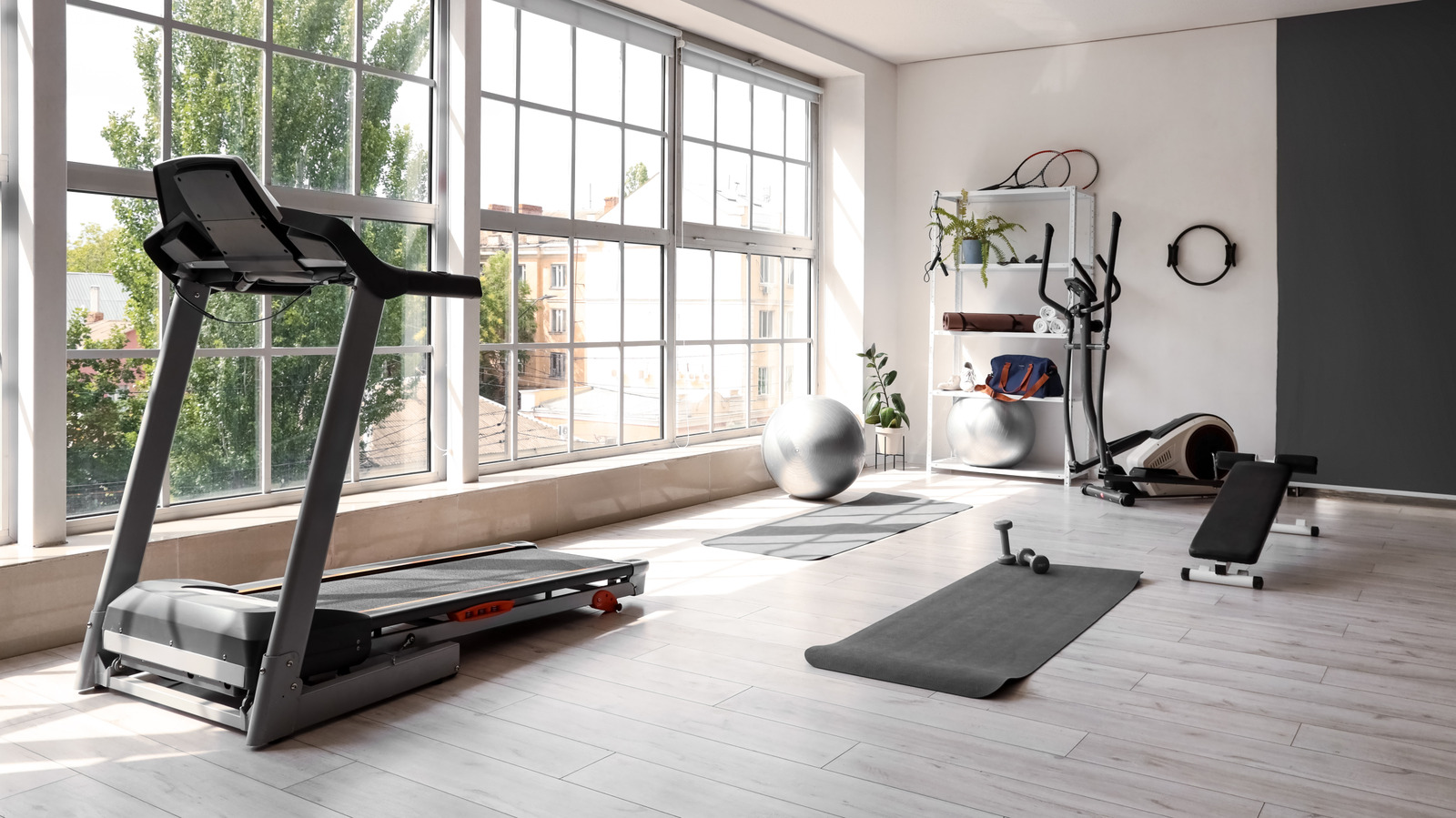
Your home gym should make you stronger, smarter about training, and more likely to stick with your routine; this article walks through the gear that helps you do all three, from wearables that sharpen data to recovery tools that keep you moving comfortably.
Smart wearables aren’t just for counting steps anymore; they give precise heart rate zones, recovery metrics, and automatic workout detection that eliminate guesswork. When you can see your effort and recovery in plain terms, it’s easier to plan intense sessions and rest days without overdoing it. A reliable wearable turns subjective feeling into objective feedback you can actually act on.
Heart rate straps and chest monitors still lead in accuracy for high-intensity work, while wrist-based devices win on convenience for daily tracking and sleep monitoring. Choose what matches your priorities: raw precision for interval training or all-day data to nudge lifestyle changes. Either way, consistency in wearing the device trumps chasing the newest gimmick.
Recovery tools deserve as much attention as the training gear because they keep you in the game week after week. Percussion massagers, compression boots, and targeted mobility tools reduce soreness and speed the return to hard workouts. Investing a bit up front for reliable recovery tech pays off by limiting missed sessions and preserving momentum.
Foam rolling, mobility bands, and a quality massage gun form a compact kit that fits any home gym and covers the most common aches and tight spots. These tools are simple to use, require minimal space, and deliver immediate relief when you learn the right spots to target. Regular recovery sessions also make heavy training feel less brutal and easier to sustain over months.
>[[EMBED_TWITTER]]
Smart scales and body composition trackers add another layer to progress monitoring beyond what the mirror offers. Seeing trends in muscle mass, body fat, and hydration helps you align training and nutrition with real outcomes instead of feelings. Use these devices as trend tools; a single number won’t tell the whole story, but patterns over weeks do.
Connected fitness equipment like smart bikes, rowers, and adjustable weight systems bring structure home that used to exist only in studios. They offer real-time feedback, guided programs, and resistance adjustments that keep workouts challenging as you improve. That structured stress combined with reliable tracking is a recipe for steady gains.
Apps that sync wearables and equipment create one source of truth for training, recovery, and goals, eliminating the scattered notes in different services. When your smartwatch, scale, and trainer all speak the same language, decisions about intensity and rest become straightforward. Pick an ecosystem that respects your time and makes logging effortless.
Comfort hacks matter as much as high-tech toys because a pleasant training environment reduces friction to showing up. Good flooring, breathable gear, and supportive shoes keep sessions focused on effort rather than distractions like sore joints or slippery mats. Little comforts add up to a big difference in whether you keep returning to the workout space.
Budget wisely: you don’t need every gadget, just the pieces that solve your biggest sticking points—consistency, recovery, and meaningful feedback. A wearable plus a recovery tool and one connected machine cover most needs for balanced progress at home. Start with essentials, learn how they change your habits, then layer in more tech as it proves useful.
Tracking progress should free you to train smarter, not bog you down in data analysis that feels like homework. Use simple metrics to guide effort and adjust programming, and let recovery tech prevent setbacks. Over time, those small decisions compound into reliable fitness that fits your life and keeps you moving forward without drama.
