
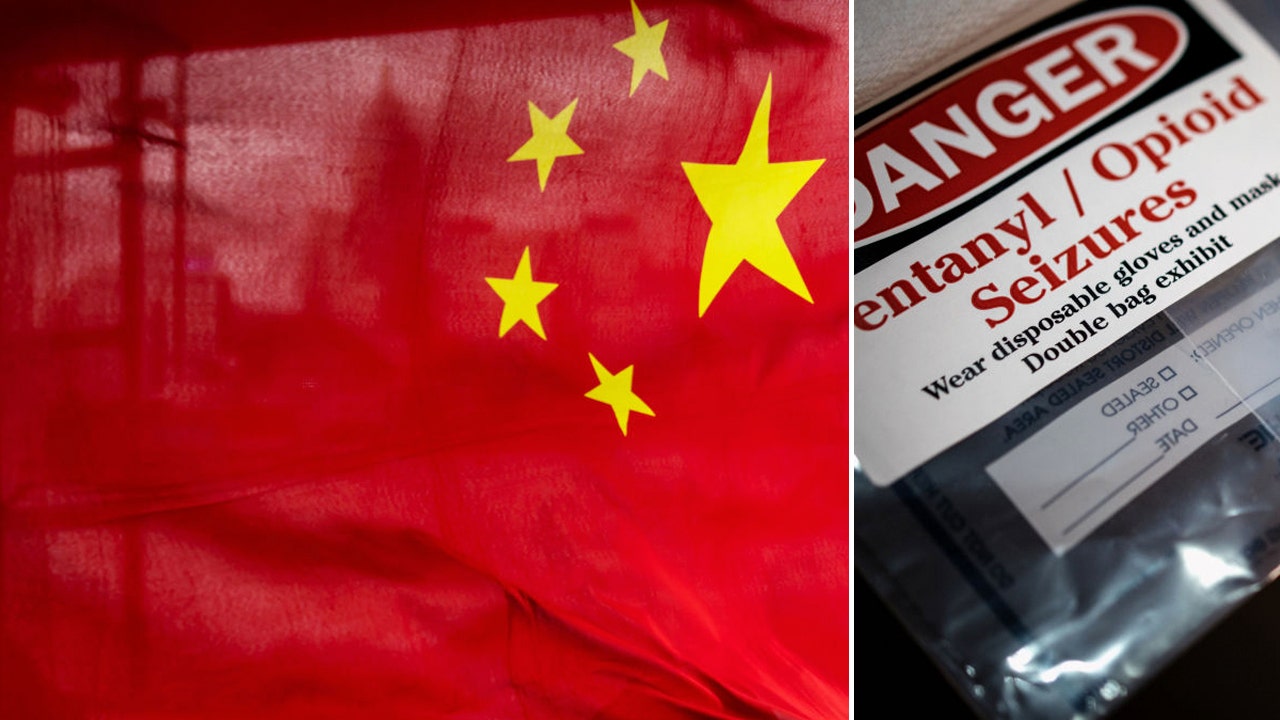
The flow of fentanyl into American communities is not just a health problem; it is a threat to national security, a money-laundering operation and a tech-enabled pipeline that must be stopped. This piece lays out how the crisis plays out on our streets, how foreign networks and Chinese platforms help power it, and why a tough, coordinated response — legal, diplomatic and technological — is the only realistic path forward. I will argue plainly that we must go after the cash, the platforms and the foreign actors enabling this carnage. The stakes are lives and the integrity of our country.
Every day families lose loved ones to fentanyl, and those deaths are the hardest evidence of the stakes. In South Carolina last year, fentanyl accounted for more than 70% of overdose fatalities, a number that no family should ever have to reckon with. When you see grief on that scale, you stop treating this as a problem you can paper over and start treating it like a national crisis.
I have prosecuted cases where a single smuggling operation brought enough fentanyl into a state to potentially kill half a million people, and that is not hyperbole. These shipments are not random; they are part of a coordinated, global pipeline designed to maximize profit by exploiting American demand and weak choke points. When criminal networks run like businesses, the only way to stop them is to hit what keeps them alive: the money and the tech that moves it.
FBI’S ‘OPERATION BOX CUTTER’ INDICTS CHINESE PHARMA FIRMS, TERROR-LINKED CARTEL ASSETS IN FENTANYL TAKEDOWN
The trafficking machine is propped up by a vast money-laundering network that moves an estimated $100 million every week. That cash is oxygen for cartels and middlemen who buy precursors, pay couriers and bribe officials. Cut off the cash flows and you immediately choke their capacity to flood our neighborhoods with poison.
Key nodes in that network run through China-based technology platforms, and that reality should shape our response. Apps like WeChat and its mainland counterpart, Weixin, have been documented as tools used to facilitate transfers and obfuscate transactions tied to fentanyl. Encrypted messaging and in-app payment features create a black box that shields criminal activity from American law enforcement.
TRUMP SIGNS ORDER DECLARING ILLICIT FENTANYL A ‘WEAPON OF MASS DESTRUCTION,’ CITING NATIONAL-SECURITY RISKS
A bipartisan coalition of attorneys general, led by Attorney General Jeff Jackson and me, pushed these platforms to cooperate, and we saw measurable gains on WeChat in terms of response times and monitoring. That progress shows leverage works, and it shows cooperation can yield results when it is pushed. But cooperation must be consistent and must include every platform used to move money and coordinate shipments.
Weixin, which operates under Chinese data laws, still fails to respond adequately to U.S. law enforcement requests, leaving a critical intelligence gap. Many of the money brokers and payment conduits facilitating these transactions are based in China, so closing that gap is not optional. Without that information, dismantling the networks that supply fentanyl is like trying to fight a war blindfolded.
FBI ARRESTS 55 IN MASSIVE DRUG RING WITH ALLEGED CHINA SUPPLIER FLOODING US STREETS WITH FENTANYL
This is gray-zone warfare, plain and simple: foreign adversaries and criminal networks use technology, financial systems and proxy actors to attack the United States without bullets or tanks. They exploit gaps in our laws, weak points in international cooperation and the anonymity of digital payments to funnel deadly product into our cities. Recognizing this as a strategic assault changes the tools we bring to bear.
We must demand accountability from platforms that enable this trade and from foreign governments that shelter the brokers and suppliers. Strengthening enforcement is essential, but so is diplomacy aimed at securing cooperation on data, interdiction and money-processing. We should use every lever — criminal prosecutions, sanctions, export controls, and coordinated diplomatic pressure — to break the networks at their source.
This fight is personal for law enforcement and for communities, and it should be personal for every elected official who swore to protect the nation. President Trump has understood the scope of this crisis and has taken decisive steps before; we need that same clarity and resolve now. Go after the money, the networks and the foreign actors enabling it, and keep pressing until the flow of poison slows and families stop burying children.
