
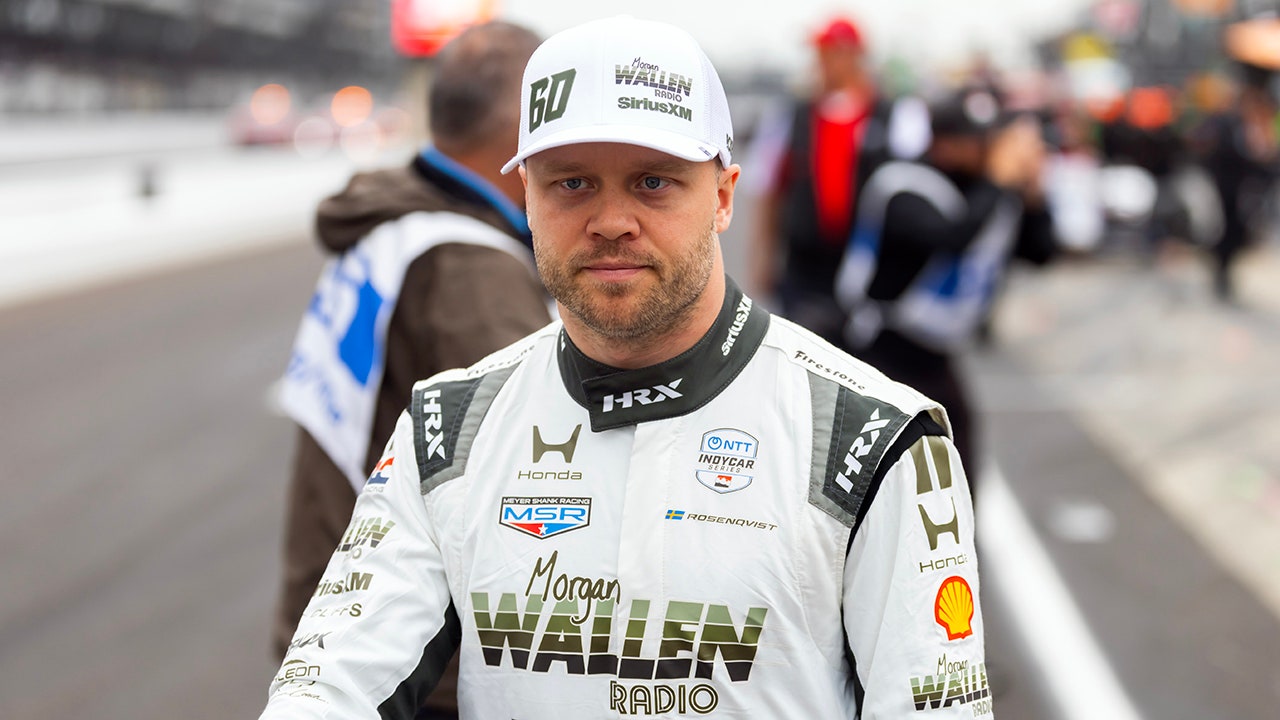
Felix Rosenqvist captured the checkered flag at the 110th Indianapolis 500, pulling off a last-gasp pass on David Malukas down the final stretch to win a race that kept fans on their feet until the very end.
The finish came after a tense run of laps where patience and timing mattered more than raw speed. Rosenqvist timed his move perfectly, taking advantage of an opening and turning it into a signature moment. The pass flipped the script in an instant and left the crowd roaring.
David Malukas pushed hard and held the lead through critical phases, forcing Rosenqvist to work for every inch. Malukas showed grit and composure under pressure, making Rosenqvist earn that final pass the hard way. It was the kind of duel that defined the Indianapolis 500’s reputation for dramatic finales.
For Rosenqvist, the victory is a milestone that cements his name in Indy lore, the sort of breakthrough every driver dreams about. Winning at Indianapolis isn’t just another trophy; it changes how a career is remembered. He’ll now carry that win through the rest of the season and beyond.
The race itself delivered everything fans expect: strategy, risk, and split-second decisions. Pit windows, tire wear, and aero battles all played their part in shaping the closing laps. In a race where little margins decide outcomes, the final sprint is where legends are made.
Crew chiefs and engineers deserve credit for the setup that made Rosenqvist’s late push possible. Teams often win or lose at Indy on the quality of their adjustments and timing. When the gamble pays off, you see it in the driver’s ability to exploit a fleeting chance at top speed.
There are moments in motorsport that feel like they were scripted, and this finish was right up there. Two drivers, one line, and one decisive burst of speed created theater at 220 miles per hour. Those kinds of scenes are why the 500 holds a special place in racing’s calendar.
The aftermath on pit lane and in victory lane mixed relief and elation in equal measure. Rosenqvist’s crew celebrated a job done under immense pressure while Malukas and his team regrouped after coming so close. It’s the duality of racing: soaring highs and sharp disappointment, often separated by a single corner.
Fans at the track and watching at home will replay the final laps for weeks, picking apart the move and the moments leading up to it. Commentary will focus on where the pass was set up and how both drivers managed tire life and traffic. Those replays become part of the race’s legacy.
The Indianapolis 500 remains a test that rewards nerve and precision in equal measure. Drivers who can combine speed with tactical intelligence are the ones who prevail when the pressure gets intense. Rosenqvist’s final-lap charge was a textbook example of that blend.
Beyond the checkered flag, the win reshapes expectations for the season and raises questions about momentum. Teams that showed strong pace now have to manage new attention and strategy calls in the weeks ahead. For Rosenqvist, the spotlight will be bright as rival crews study what worked.
At its core, this Indy 500 delivered a narrative fans crave: an underdog surge, a bold move, and a dramatic conclusion. The race reinforced why people flock to Indianapolis every year to see racing distilled to its purest form. When everything lines up, it creates unforgettable moments.
The final stretch pass will be the image most people remember, but the full victory came from a race-long effort, from setup to execution. Championships are rarely won on a single lap, but some races are won by final moments that capture an entire weekend’s work. This was one of those nights.
Rosenqvist’s triumph will be talked about not just for the pass, but for the way it honored Indianapolis’ tradition of last-minute drama. The 110th running added a fresh chapter to a storied event, one that will sit in highlight reels and conversations alike. For now, the rookie thrill and veteran poise met at the right time.
