
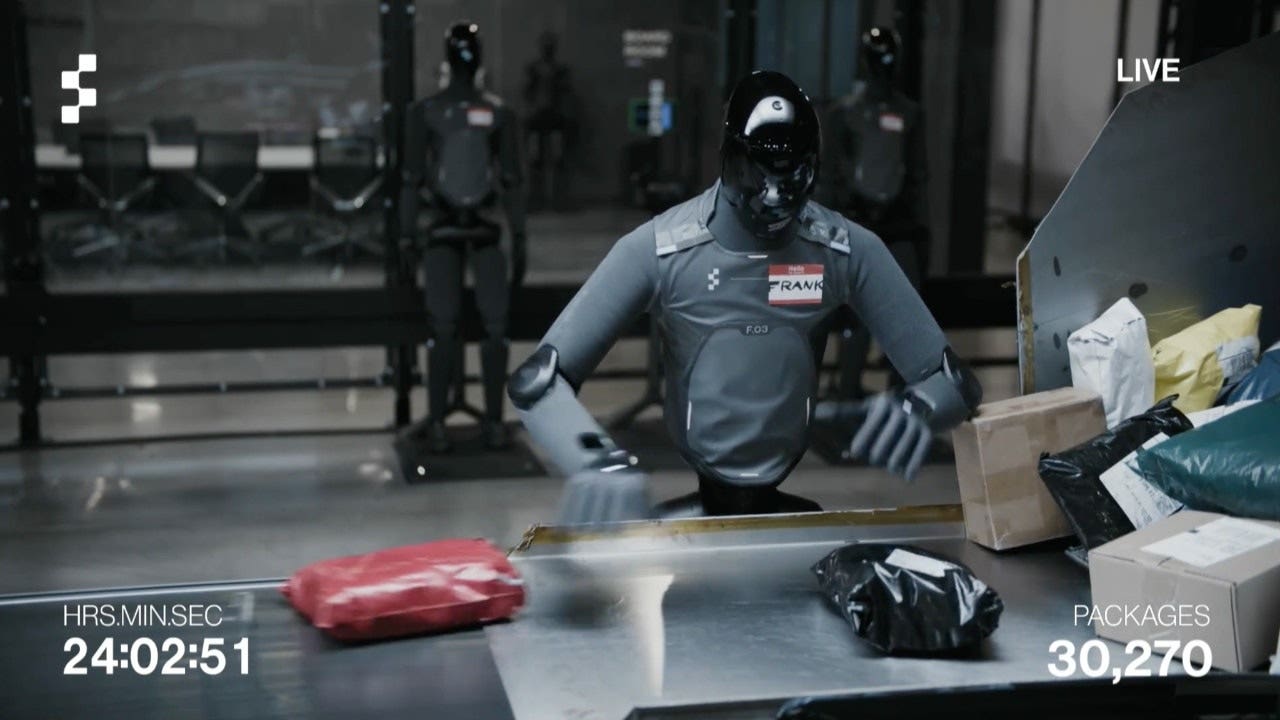
Figure AI recently ran a live demo where three humanoid robots kept sorting packages well past the eight-hour mark they were supposed to hit, pushing the conversation about warehouse automation into a new, messier territory. The run showed endurance, on-board decision making and a readiness to face the messy realities of logistics work, while raising the usual questions about cost, reliability and the future of human jobs.
Three Helix-02 humanoids handled a simple, repetitive task: pick up a small package, find the barcode and place it on a conveyor. What started as an eight-hour test kept going after the machines showed no critical failures, and the company reported the trio processed roughly 28,000 packages during the stretch. Viewers followed a livestream and began calling the robots Bob, Frank and Gary, and Figure AI even gave them visible name tags to match the chatter.
AUTONOMOUS ROBOT WITH MUSCLES, SMARTS AND ZERO SICK DAYS
The company says the robots run on Helix-02, a neural-network style stack that blends vision, touch sensing, body awareness and motion control. Humanoid work isn’t just about moving an arm; these machines must balance, change grip, adjust posture and react when a box lands awkwardly. Figure AI emphasized that the actions came from Helix-02 rather than someone guiding the robots remotely.
WAREHOUSE ROBOT USES AI TO PLAY REAL-LIFE TETRIS TO HANDLE MORE THAN EVER BEFORE
The livestream put people right in front of a practical demo rather than a polished marketing clip, and that made the test feel more real. Giving the robots everyday names softened their image and made the repetitive work easier to watch, but it also highlighted a tougher question: if robots can endure long shifts, where does that leave human workers? The optics matter as much as the tech when automation touches routine jobs.
One of the more interesting claims is automatic recovery: Helix-02 reportedly triggers a reset when a robot gets stuck or encounters unexpected behavior. That kind of self-recovery, if reliable, could be the difference between a helpful tool and a constant headache for floor managers. Figure AI also described a handoff model where a robot needing maintenance can leave the line and another takes its place so operations don’t grind to a halt.
Figure AI is far from alone in this race; Tesla, Agility Robotics and Apptronik are pursuing similar efforts, and Figure has already run tests at a BMW plant in South Carolina. These experiments suggest humanoids will show up first in controlled industrial settings rather than in living rooms. Warehouses and factories let companies limit variables, which is a sensible way to introduce this kind of automation.
Still, a livestreamed endurance run answers only some questions. Businesses will want independent data on failure rates, average maintenance time and how often human intervention is required under chaotic conditions. Real warehouses throw curved balls: misshapen parcels, weirdly placed labels, belt jams and workers crossing an active area. Companies need proof that these systems keep pace not just in a tidy demo but during the actual grind.
The possible impacts are practical and immediate: faster sorting could shave delivery times and change how overnight shifts are staffed, while robots might fill roles employers struggle to staff because of cost or physical demands. That doesn’t mean every job disappears; messy reality still favors human judgment in many cases. But the demo shows humanoid robots moving from short highlight reels to longer, more demanding trials.
For most people, this technology will feel distant for now, and questions about price, safety and real-world performance remain open. The demo matters because it reframes the discussion: these machines aren’t doing showy stunts, they’re repeating a basic logistics task over and over. If reliability, safety and cost fall into place, the warehouse floor could look very different in a few years.
