
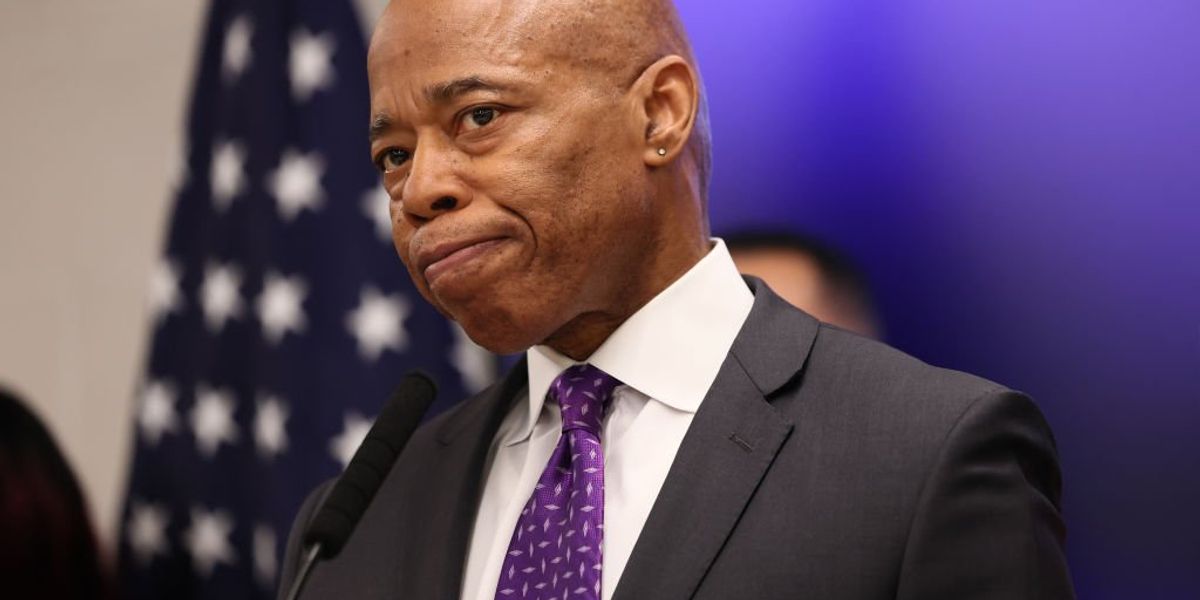
Three federal prosecutors from the Southern District of New York decided to step down on Tuesday. Celia Cohen, Andrew Rohrbach, and Derek Wikstrom walked away, frustrated with the Trump administration’s Department of Justice for insisting they admit to “wrongdoing” in a corruption case involving New York City Mayor Eric Adams, who has pleaded not guilty. These prosecutors were put on administrative leave after the DOJ under Trump requested the case be dismissed.
The prosecutors didn’t take kindly to this demand. In an email obtained by the New York Times, they alleged that DOJ Deputy Attorney General Todd Blanche said they needed to “express regret and admit some wrongdoing by the office” to get their jobs back. The prosecutors, however, stood their ground, stating, “We will not confess wrongdoing when there was none.”
They felt the DOJ, under Trump’s leadership, was more about following orders than upholding legal and ethical duties. “Obedience supersedes all else,” they claimed, urging them to forsake their principles. They emphasized the privilege of working for an institution committed to doing the right thing, stating, “We will not abandon this principle to keep our jobs,” and ultimately decided to resign.
Jay Clayton, who President Donald Trump appointed to head the SDNY, took over on the day of their resignation. The case against Adams had been under scrutiny since February, with five prosecutors resigning, including the lead prosecutor. U.S. District Judge Dale Ho dismissed the case with prejudice on April 2.
Judge Ho clarified that the court wasn’t making judgments about the case’s merits or whether Mayor Adams should be prosecuted. He pointed out that continuing the prosecution wasn’t within the court’s power and that the decision ultimately belonged to a political branch of government. Judge Ho suggested the DOJ’s push to dismiss the case might hint at a deal between Adams and the Trump administration, although both have denied any such claims.
Blanche defended the DOJ’s decision, arguing there was nothing illegal or unethical about dropping the “flawed” case. “Any suggestion to the contrary by anybody, especially former federal prosecutors, is wrong and disingenuous,” he asserted. This stance highlights the ongoing debate over the DOJ’s actions and the prosecutors’ resignations.
The resignation of these prosecutors underscores a growing concern about political influence within the DOJ. Their decision to stand firm against admitting wrongdoing they didn’t commit has sparked a broader conversation about the ethical responsibilities of government lawyers. Their departure raises questions about the balance between political directives and legal ethics.
The Trump administration’s influence on the DOJ has been a topic of discussion, especially when it comes to high-profile cases. The case against Mayor Adams is just one example where politics and justice seem to collide. With the DOJ’s actions being scrutinized, there’s a lot at stake in terms of public trust and the integrity of the justice system.
Observers have noted that this isn’t the first time the DOJ’s decisions have been questioned. The resignation of these prosecutors adds to the narrative of a justice system potentially swayed by political agendas. This situation serves as a reminder of the importance of maintaining independence in legal proceedings.
The prosecutors’ stance highlights a commitment to justice over job security. Their departure sends a message about the values they hold dear, emphasizing a refusal to compromise on ethics. This incident has reignited discussions about the role of federal prosecutors and their obligations to the law.
As the dust settles, the impact of these resignations continues to be felt. The case’s dismissal has left many wondering about the future of similar cases under political scrutiny. The prosecutors’ decision to resign rather than yield to pressure speaks volumes about their dedication to their principles.
The broader implications of this situation are likely to be debated for some time. The balance between obeying directives and upholding justice is a delicate one, and this case brings it to the forefront. How the DOJ navigates these challenges will be closely watched by both supporters and critics.
In the end, the resignation of these prosecutors is a significant moment in the ongoing conversation about justice and politics. It raises questions about how much influence should be wielded by political figures over legal proceedings. This event is a stark reminder of the complexities involved in maintaining a fair and impartial justice system.
The prosecutors’ actions have sparked discussions across various media platforms. News outlets like Fox News and the New York Post have weighed in, highlighting the tensions between the DOJ and its prosecutors. The story continues to unfold, with many eager to see how it impacts future legal decisions.
For now, the resignation of Cohen, Rohrbach, and Wikstrom remains a pivotal moment in the current political climate. Their decision to leave their positions rather than compromise their principles is a powerful statement. As the narrative develops, it will be interesting to see how this influences the DOJ’s approach moving forward.
