
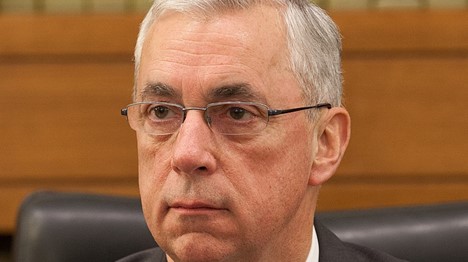
In yet another example of judicial overreach, U.S. District Judge George A. O’Toole, Jr., a Clinton appointee, has thrown a wrench into President Trump’s bold plan to streamline the bloated federal government.
The judge’s ruling temporarily halts the administration’s widely supported “fork in the road” buyout program, which offered federal employees a generous resignation package as part of Trump’s effort to cut government waste.
This last-minute interference gives federal employees more time to reconsider the offer—an offer that many in the private sector would never get. But instead of letting these workers make a decision for themselves, O’Toole has chosen to delay the process, catering to the demands of entrenched bureaucrats and union leaders desperate to maintain their grip on power.
The Trump administration had set a clear deadline: federal employees had until Thursday night to accept the buyout, which included pay and benefits through September 30. The program was designed to create a leaner, more efficient government while giving workers a fair exit package. Many saw it as a win-win—taxpayers would save billions, and those willing to move on would be well-compensated.
Yet, thanks to Judge O’Toole’s intervention, the deadline has been postponed indefinitely. This ruling comes in response to a lawsuit filed just days ago by the American Federation of Government Employees and other unions, who are fighting tooth and nail to keep unneeded federal employees on the payroll—at the expense of the American taxpayer.
Had the buyout program proceeded as planned, it would have significantly reduced government bloat. Those who refused the offer risked termination, a move the administration rightly viewed as necessary to ensure efficiency and accountability in federal agencies. But now, with this judicial pause, the fate of the program hangs in the balance.
Elon Musk, never one to shy away from speaking his mind, has come out in full support of Trump’s buyout program. The tech billionaire pointed out that such an offer is far more generous than what employees in the private sector receive when layoffs happen.
Musk’s endorsement highlights the reality that government workers have long been insulated from the consequences of inefficiency—a luxury not afforded to those outside the federal bubble.
Despite the legal interference, over 40,000 federal employees have already accepted the administration’s buyout, demonstrating strong interest in the program. The Trump administration had estimated that between 5% and 10% of the federal workforce would take the offer. With nearly a million workers still eligible, the program’s potential impact remains massive.
This legal fight is about more than just a buyout—it’s a direct challenge to Trump’s authority to reform the federal government. Judge O’Toole’s ruling exemplifies how activist judges continue to undermine the will of the people and the policies of a duly elected president.
The case will return to court on Monday, where the administration will argue for the program’s reinstatement. If the ruling stands, it could set a dangerous precedent that allows unelected judges to block executive actions aimed at cutting government waste.
The fight over Trump’s buyout program underscores the broader battle between entrenched bureaucrats and those who want a government that works for the people. While Trump and his allies push for efficiency, unions and career politicians cling to the status quo, desperate to keep taxpayer dollars flowing into bloated agencies.
The upcoming court hearing will be a crucial test of whether the administration can move forward with its reforms—or whether activist judges will continue to stand in the way. The American people are watching, and many are growing tired of unelected officials dictating policy from the bench.
The Trump administration remains committed to its mission: cutting waste, increasing efficiency, and ensuring that the government serves the people—not the other way around. Whether or not the courts allow it, this fight is far from over.
