
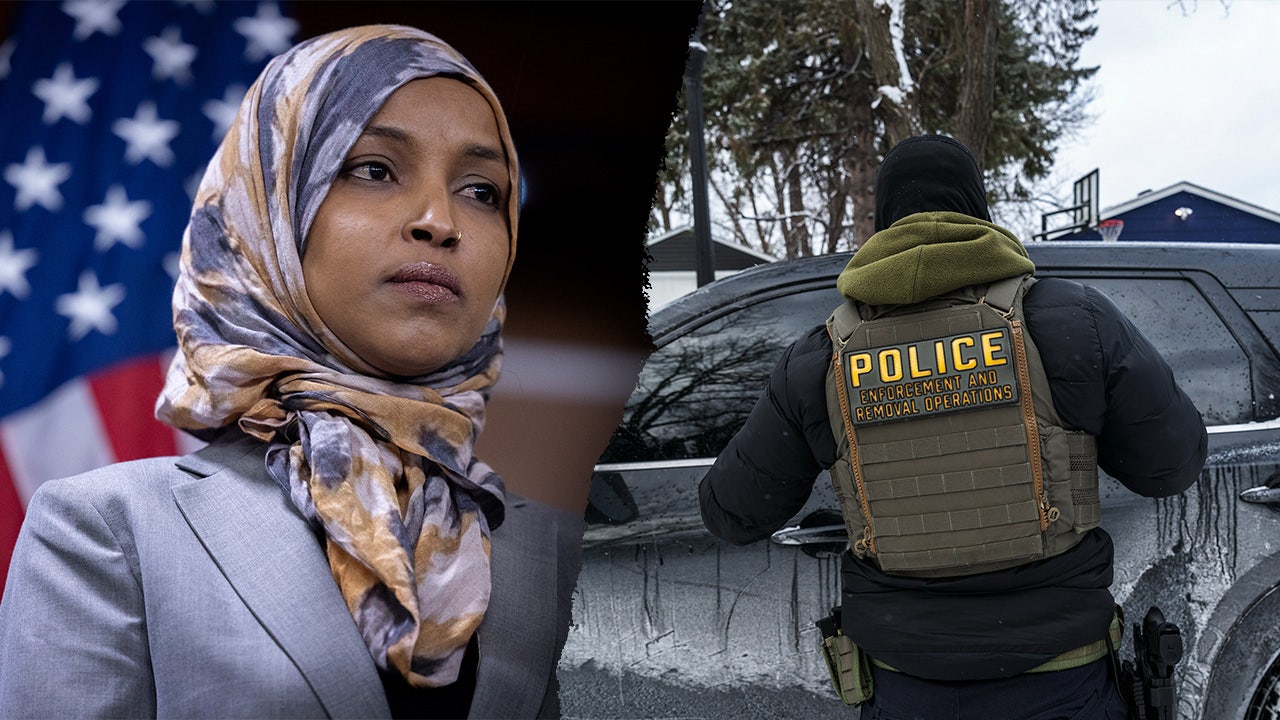
Federal agents have put Rep. Ilhan Omar in the middle of a widening legal storm, with investigators seizing her phone during a raid tied to an immigration fraud probe and digging deeper into paperwork connected to her past. The case has also pulled in family members, old citizenship questions, and separate scrutiny over financial disclosures, turning one investigation into a fast-moving political and legal mess.
Authorities seized Omar’s cell phone on Monday during a raid on her Washington, D.C., home as part of a criminal fraud investigation focused on her immigration records. At the same time, investigators issued more than a dozen subpoenas to relatives, signaling that they are not treating this as a narrow review. The scope alone suggests officials believe there is more here than a simple paperwork dispute.
The heart of the probe centers on whether Omar’s family gave inaccurate information about her age when she came to the United States in 1995. She became a naturalized citizen in 2000, and investigators are now looking at whether the birth date listed in her application matched her actual birth date. If the records do not line up, that could create serious trouble far beyond public embarrassment.
Questions about her age have followed her for years, and they resurfaced after congressional staff allegedly reached out to a Minnesota library to request a change in historical records from 1981 to 1982. That detail has added fuel to a controversy that never really went away. When old records start shifting, people notice, and the pressure only gets louder.
The raid itself brought even more attention when federal agents from Homeland Security Investigations showed up at Omar’s Washington home early Monday. Her husband, Tim Mynett, later downplayed concerns and said, “My wife came here when she was 12 years old as a child war refugee,” followed by, “No concerns.”
That calm response has not stopped the story from growing. Omar has denied wrongdoing and accused the Trump administration of using federal law enforcement against political opponents. Her office fired back with a statement saying, “For a decade, Donald Trump has relentlessly targeted Congresswoman Ilhan Omar with inflammatory rhetoric, repeatedly putting a target on her back,” and adding, “Now, those attacks have escalated to a pointless federal raid. The Congresswoman has done nothing wrong. No president should be able to use the power of the federal government to intimidate his political enemies.”
There is also a separate financial disclosure review underway, which officials say is distinct from the immigration investigation. That matters because it means Omar is dealing with more than one line of inquiry at once, and neither appears to be going away anytime soon. Separate probes can create their own momentum, especially when investigators start comparing records, timelines, and disclosures across different parts of a public official’s life.
The scrutiny has also reopened debate over the documents tied to Omar’s late father, Nur Omar Mohamed, including paperwork connected to his own entry into the United States. Investigators are looking at whether statements in those filings were truthful. When old immigration records, family paperwork, and public office all collide, the result is usually a long stretch of uncomfortable questions and very few easy answers.
Omar’s camp is clearly trying to frame the matter as political persecution, while investigators appear to be treating it as a serious fraud case with multiple branches. With subpoenas out, a phone in federal hands, and more records under the microscope, the situation has taken on the feel of something that could keep expanding as new details come out. And in Washington, that kind of tension has a way of hanging around.
