
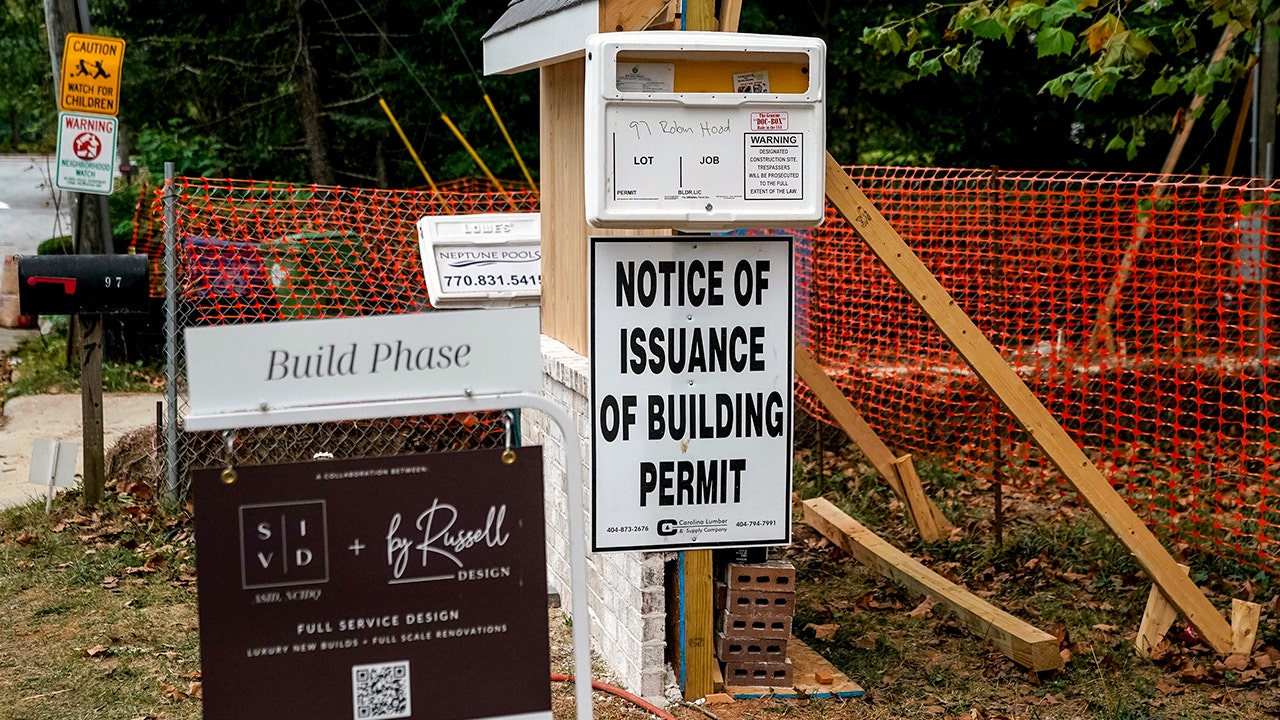
Scammers are impersonating local planning and zoning officials to trick homeowners and developers into paying fake permit fees, and this article explains how the scam works, why it feels convincing, the warning signs to watch for, and practical steps you can take to avoid becoming a victim. You’ll learn the techniques criminals use to gather public records and personalize their pitches, the payment methods they demand, and the simple verification steps that stop most attacks in their tracks. This is a clear, direct guide anyone with a property project should read before responding to unexpected permit requests.
Criminals begin by harvesting details from public records, property listings, and municipal permit listings to find targets and learn project specifics. Armed with names, addresses, and application dates, they craft emails that reference real projects so the message feels urgent and legitimate. That realism is what makes the scam effective and dangerous.
Typical phishing messages claim to be from a planning or zoning office and often demand immediate payment to avoid delays in permit approval. Scammers push recipients to use wire transfers, peer-to-peer payment apps, or cryptocurrency because those payment routes are fast and nearly impossible to reverse. Once the money goes out, recovery is extremely unlikely.
There are a few consistent red flags to watch for in these emails: requests for unusual payment methods, urgent deadlines without prior context, and non-government email domains. Official municipal communications usually come from a .gov domain and will reference case numbers and contact details that match the government website. If any of those pieces feel off, treat the message as suspicious.
Scammers also mimic timing to increase believability, sending their phishing email shortly after a legitimate notice arrives, which can trick recipients into thinking it is part of the same process. The messages sometimes include partial snippets of accurate permit information to lower skepticism. That coordination is intentional and designed to short-circuit careful verification.
A common technique is domain spoofing or use of lookalike addresses that resemble government emails but are hosted on public or commercial domains. Addresses that end with generic suffixes rather than official government domains are a strong indicator of fraud. Checking the email header or contacting the office listed on the official website will usually reveal the difference.
Modern scams have gotten more sophisticated, with examples of imposters posing as law enforcement or federal agents and even using AI-generated audio to impersonate officials in phone calls. Those developments mean you should trust actions, not just words, and confirm identity through independent channels. Never assume a caller or sender is legitimate simply because they reference details they could have found online.
Practical defenses are straightforward: verify the sender by calling the planning department using the phone number on the official municipal website, not the number provided in the email. Refuse to send funds through wire transfers, peer-to-peer apps, or crypto unless you have independently confirmed the request through official channels. Take the time to cross-check permit numbers, application dates, and official receipts before making any payment.
Protecting personal information helps reduce your risk, because scammers often pull data from public databases and listing sites to personalize their attacks. Consider using data removal services if you are concerned about how widely your contact and property details are available online. Strong antivirus and anti-phishing software can also block malicious links and warn you before you open suspicious attachments.
If you receive a fraudulent request, collect as much information as possible about the message—sender address, timestamps, exact payment instructions—and report the incident to the appropriate law enforcement channel and fraud reporting center. Sharing those details can help investigators trace the fraudsters and may alert others in your community. Prompt reporting also creates a paper trail that could be useful if you need to dispute charges or seek help recovery.
Permit and zoning processes already involve deadlines and fees, which is exactly what scammers exploit to create urgency and fear of delay. Pause before paying, make one call to the official office, and rely on posted municipal contacts to confirm any financial request. A short verification is the best defense against losing money to a convincing, well-timed phishing attempt.
