
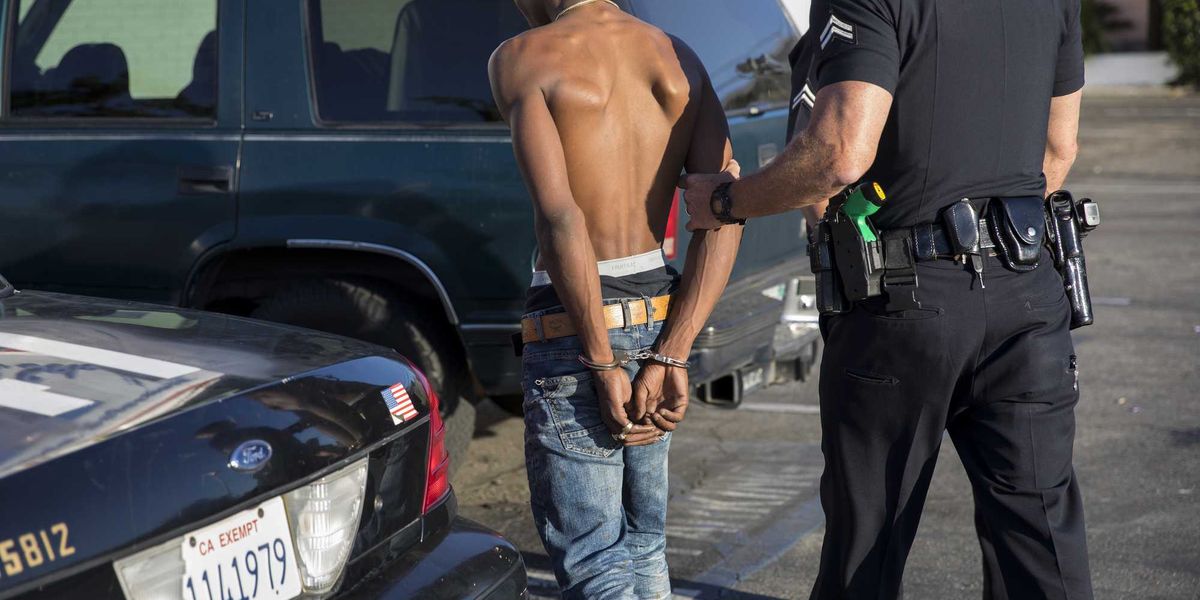
Federal investigators in Houston have taken a hard swing at a group of alleged gang members who reportedly used social media to glorify violence and brag about crimes. The arrests landed with force, and the message was hard to miss: online clout does not protect anyone when federal agents start connecting the dots. What looked like performative bravado on the internet turned into a serious criminal case with real consequences.
The case centers on a group accused of turning rap-style posts and online chatter into a public showcase for violence. According to the allegations, the social media activity was not just noise, but part of a bigger pattern tied to gang behavior and criminal conduct. In a city like Houston, where law enforcement has spent years trying to cut down on violent crews, that kind of digital self-incrimination can become a gift to investigators.
What makes cases like this so striking is how casually people can expose themselves online. A phone can become a loudspeaker, and a message meant to impress friends can also hand prosecutors a trail of evidence. That mix of music, menace, and social media chest-thumping has become a familiar problem for police trying to untangle who is just posing and who is actually involved in serious crimes.
The FBI’s action was described as massive, and that word matters because these cases rarely come from a single post or one lucky break. They usually grow out of months of surveillance, witness statements, digital records, and old-fashioned detective work. When agents move in, it often means the picture has already become clear enough to support a broad sweep of arrests and charges.
Houston has seen enough violent crime to know that street groups thrive when fear does the talking. Social media can turn that fear into theater, letting suspects build a reputation far beyond their neighborhood. The trouble is that every post, lyric, and video can also become a breadcrumb, especially when it appears to celebrate illegal acts rather than hide them.
That’s part of why federal authorities take online boasting so seriously. Public posts can reveal relationships, locations, rivalries, and timelines that would otherwise stay murky. Once investigators start matching those details to actual incidents, the internet bravado stops looking tough and starts looking like evidence.
The story also reflects a bigger trend across the country, where law enforcement is paying closer attention to how gangs use platforms to recruit, threaten, and posture. The digital age has made criminal self-promotion easier than ever, but it has also made it easier to trace. A few minutes of attention-seeking can leave behind a trail that follows someone straight into a federal case.
There is also a cultural layer to all of this that cannot be ignored. Rap, street identity, and social media have all collided in ways that can blur entertainment and criminal conduct, especially when real violence sits underneath the image. Not every edgy lyric or hard-looking post means a crime happened, but when investigators build a case around repeated acts, the distinction fades fast.
For Houston residents, the bigger issue is the same one that shows up in city after city: public safety. Communities dealing with gang activity want fewer shootings, fewer threats, and fewer people treating violent behavior like a brand. When federal and local law enforcement work together, the hope is that the pressure does not just remove a few suspects, but also sends a clear warning to everyone watching the screen.
The arrests may also make others think twice before posting their own proof of bad decisions. In the age of smartphones, the old rule still applies: if it is online, it is rarely private for long. And when the bragging involves guns, assaults, or gang ties, that digital paper trail can become the thing that brings the whole operation crashing down.
