
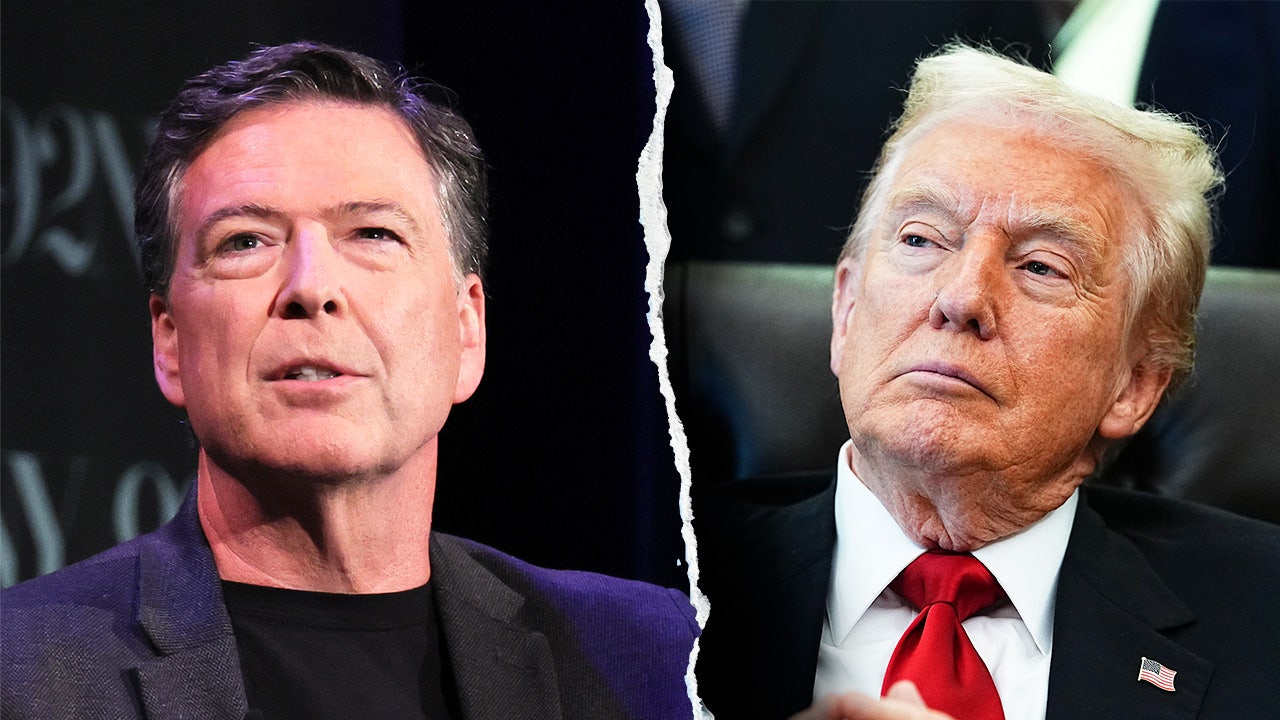
The latest batch of declassified FBI memos has put an odd little detail under a bright light: a Russia-related probe tied to James Comey’s firing carried the code name “Oxferd Comma,” a spelling that has sparked fresh questions about intent, recordkeeping, and whether the bureau was playing a deeper game. Supporters of President Donald Trump see the name as one more clue that the investigation was not just aggressive, but calculated in a way that should make people sweat.
The White House release shows the FBI opened the inquiry in 2017 to examine whether Trump’s removal of Comey was connected to Russia. That alone would have been enough to keep the story alive, but the strange label on the case pushed it into another lane, with critics arguing the misspelling was too convenient to be accidental.
Former acting Assistant Attorney General Jeff Clark seized on that point and argued the code name was intentionally twisted to hide it in plain sight. He said the FBI under James Comey and Christopher Wray was “hopelessly corrupt” and suggested the bureau dressed up a retaliatory investigation as if it were some clever secret mission. The tone of his criticism was blunt, and it landed exactly the way Trump allies wanted it to.
Clark also pointed to the “Oxferd C0mma” wording, noting the zero in place of the second “o” and the odd misspelling of “Oxford.” In his view, that was not a harmless typo but a built-in obstacle, something designed to make searches harder and muddy the paper trail if anyone later came looking through records.
The memo itself described investigators trying to determine whether Trump was “directed by, controlled by, and/or coordinated activities with, the Russian Federation in a manner constituting a threat to the national security of the United States and/or a violation of federal criminal statutes.” That language fits neatly into the broader Russia saga, but the timing is what keeps nagging at people. Comey was fired in May 2017, the White House first tied that move to his handling of the Hillary Clinton email case, and the FBI opened the Russia-linked probe days later.
That sequence has fueled the long-running argument that the bureau treated Trump as a target first and a subject second. Clark went even further, saying a wrongly spelled code name could have thrown off any Freedom of Information Act request that used the expected spelling, leaving searchers empty-handed while the bureau claimed no responsive records existed.
The reaction online was instant and predictable, especially once people noticed the old Oxford comma joke floating around again. Social media users dug up a 2017 Comey post that read, “Check the actual cover. I’m all about Oxford commas,” which only made the misspelling feel more pointed to skeptics already suspicious of the bureau’s motives.
Fox News Digital reached out to Wray, Comey and the White House, but the FBI did not directly answer questions about the code name. That silence did not help calm the chatter, especially with Trump allies already arguing that the agency spent years hiding behind polished language while pursuing a politically loaded investigation.
Ben Williamson, the FBI’s assistant director of public affairs, defended the bureau and said the weaponization against Trump under prior leadership was “inexcusable and wholly un-American.” He added that Patel had helped expose the Crossfire Hurricane scandal and that more than 40,000 pages of documents have now been released, a number the bureau says reflects a much broader effort to bring old misconduct into the open. Still, with a name like “Oxferd Comma” now out in public, the old Russia fight is not fading quietly, and every new document seems to invite another round of suspicion about who was really directing the show.
+2
Good grief, it’s even worse than I thought.
They didn’t just deliberately misspell Oxford as Oxferd, they substituted in a zero ( 0 ) for an “o” so that it’s not Comma, it’s C0mma.
Totally designed to foil FOIA requests.
It should be investigated as an obstruction of… https://t.co/FnCc4jPSTv
— Jeff Clark (@JeffClarkUS) August 5, 2026
