
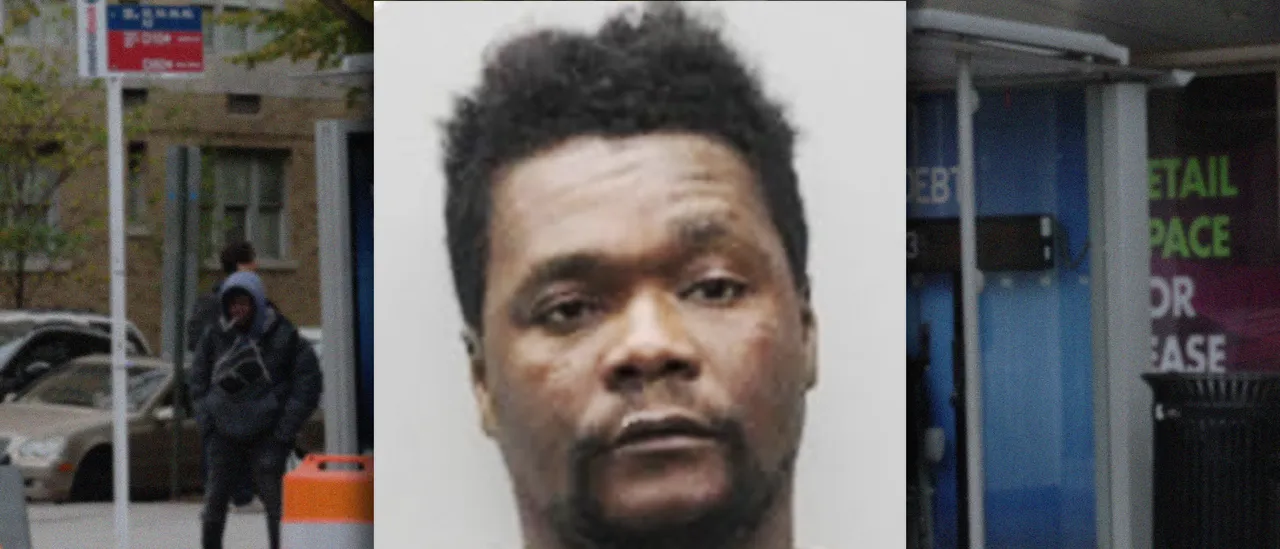
Fairfax County’s recent string of failures turned into a deadly, avoidable tragedy when Stephanie Nicole Minter was allegedly stabbed while waiting at a bus depot. This piece looks at how repeat-offender policies, sanctuary choices, and prosecutorial deals combined to leave a violent criminal on the street. The story traces the paper trail of warnings ignored and decisions made that protected a career offender instead of protecting everyday citizens.
This incident is personal and political. Stephanie Minter, a 41-year-old mother, was killed in what officials now call a random attack at a Fairfax County bus stop, and the suspect is accused of being an illegal immigrant with a long criminal record. The basic question that keeps coming up is simple and unforgiving: why was he free to roam?
The accused, Abdul Jalloh, allegedly entered the United States in 2012 and faced a final order of removal in 2020, yet he remained in the community for years after. During his time here he amassed more than 30 arrests and reportedly had 178 encounters with police, a pattern of persistent violence and contact with law enforcement. That record should have triggered strict consequences long before the fatal bus stop attack.
Instead of enforcement, the public got leniency and procedural gymnastics. Jalloh picked up charges for violent crimes — including malicious wounding and a rape allegation — and was repeatedly back on the streets shortly after convictions or pleas. Local plea deals, suspended sentences, and resuspensions kept sliding him back into the public instead of back behind bars where he belonged.
Part of the failure rests at the local level. Fairfax County officials, including the sheriff’s office, curtailed cooperation with federal immigration holds, and that policy meant ICE detainers were often ignored. When jails refuse to hold people with removal orders past their release dates, that policy decision has consequences beyond paperwork; it can be a direct pathway for dangerous people to reenter neighborhoods.
Police begged county prosecutors to act, and the plea for action is on the record. Here’s what Major Mauro from the Fairfax County Police Department wrote to Sands in an email by NBC: “Mr. Jalloh is one of the repeat (and violent) felony offenders I expressed concern about when we met. He has an extensive criminal history — he has stabbed multiple people, sexually assaulted at least one woman, and committed numerous other offenses. Furthermore, his behavior appears to be escalating and becoming more violent and explosive.
“I wanted to please get your insights on why he is out again so soon and ask if his prior suspended sentence … can be pursued by your office? … I am concerned that it is not a question of if, but rather when he will maliciously wound (or worse) again.”
Those warnings were explicit and urgent, yet prosecutors declined to pursue avenues that might have kept him off the street. Officials later said witness cooperation was a factor, and that can be a challenge in many cases, but the scale of Jalloh’s contacts with police makes the excuse ring hollow. When the system is reluctant to use the tools it has, victims are the ones who pay the price.
Stephanie Minter’s life mattered and the community lost a bright presence when choices prioritized procedural softness over public safety. Her family described her as a warm, loving person and a steady light for those around her, and they now face a void created by a death that could have been prevented. Every policy that excuses repeat violent behavior invites tragedy into people’s lives.
Fairfax County made decisions at multiple points to minimize risk for a dangerous individual, and those decisions culminated in a preventable death. Accountability means looking at those choices — prosecutorial discretion, sheriff policies, and enforcement priorities — and asking whether a different path might have kept Stephanie on the bus and home to her family. The public deserves answers and a system that protects citizens first, not an easy route that leaves communities exposed.
https://x.com/VA4SafeComm/status/2029274945466056968
