
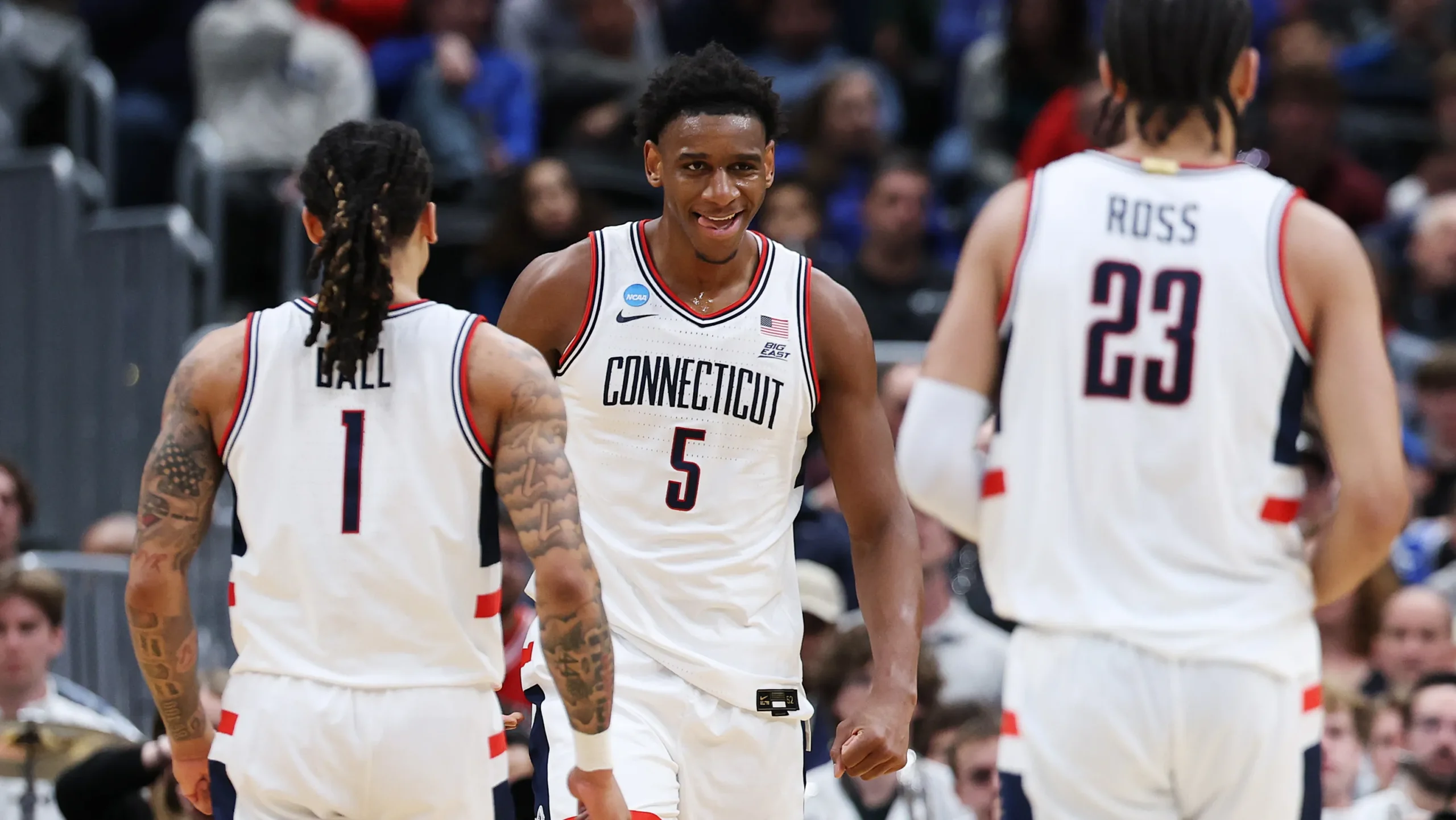
Quick snapshot: this piece lays out expert thinking on the two Elite Eight matchups — Duke versus UConn and Michigan versus Tennessee — highlights the matchup advantages that matter, notes how coaching and bench depth will shape the outcomes, and offers the consensus lean on who likely advances to the Final Four.
March’s pressure-cooker moments turn strategy into survival, and that’s the main stage for the Duke-UConn clash. One team brings an elite halfcourt identity, using discipline and defense to limit easy shots. The other answers with athleticism and transition bursts that can flip a game in minutes. Expect possessions to matter more than highlight plays.
On paper, the Duke roster mixes perimeter threats with long wings who can contest shots and disrupt passing lanes. That versatility helps against teams that try to bully inside, because it forces offenses to earn every basket. Still, perimeter shooting consistency will be the true barometer for whether Duke can keep pace. When the three-point shots land, space opens and driving lanes appear; when they don’t, pressure mounts quick.
UConn’s identity in recent tournament runs has been built around a rugged defense and a willingness to grind possessions to victory. They prize physicality on the glass and an ability to convert turnovers into easy points. Against Duke, that edge in toughness could tilt late-game possessions and free-throw opportunities. Games like these often come down to who executes the small, painful details.
The Michigan-Tennessee game presents a classic contrast: disciplined halfcourt offense versus steamroller physical defense. Michigan tends to run a measured pace, hunting high-percentage looks and valuing ball control. Tennessee answers with size, contact and a refusal to let opponents get comfortable on the offensive glass. Expect a lot of jostling near the rim and a premium on free throws.
Coaching matchups will be front and center in both games, because adjustments are the currency of March. Coaches who can switch defensive looks without losing identity will force turnovers and create transition chances. Timeout management and late-game play-calling become magnified when each team knows one stumble ends a season. Coaching edge rarely shows on the stat sheet until the final minutes.
Bench depth is another silent factor that rarely headlines but always decides outcomes. In these Elites, deeper benches allow teams to protect leads and weather foul trouble without collapsing schemes. Fresh legs also make a difference on back-to-back possessions, altering shot selection and rebounding fights. Teams that can sustain intensity across 40 minutes usually win the late-game sprint.
Turnovers and free-throw efficiency will be the micro-battles shaping both contests. Teams that protect the ball under pressure limit transition chances and force opponents into halfcourt sets. Similarly, hitting free throws in the last five minutes separates composed teams from frantic ones. Those small margins add up into big differences at the buzzer.
So what’s the expert lean? Across the board, the consensus tips toward the teams that combine defense, depth and poise — meaning the grittier units with consistent halfcourt execution. That style tends to survive the randomness of tournament nights because it forces opponents to beat you in disciplined ways, not just on scoring runs. Odds tilt toward the squads who can manufacture consistency and close with calm under pressure.
Ultimately, these Elite Eight showdowns are less about superstar flashes and more about team DNA. March has a habit of rewarding the squads built to grind, adjust and finish. Expect close contests, strategic chess matches and finishes that hinge on execution of the basics rather than one-off heroics.
