
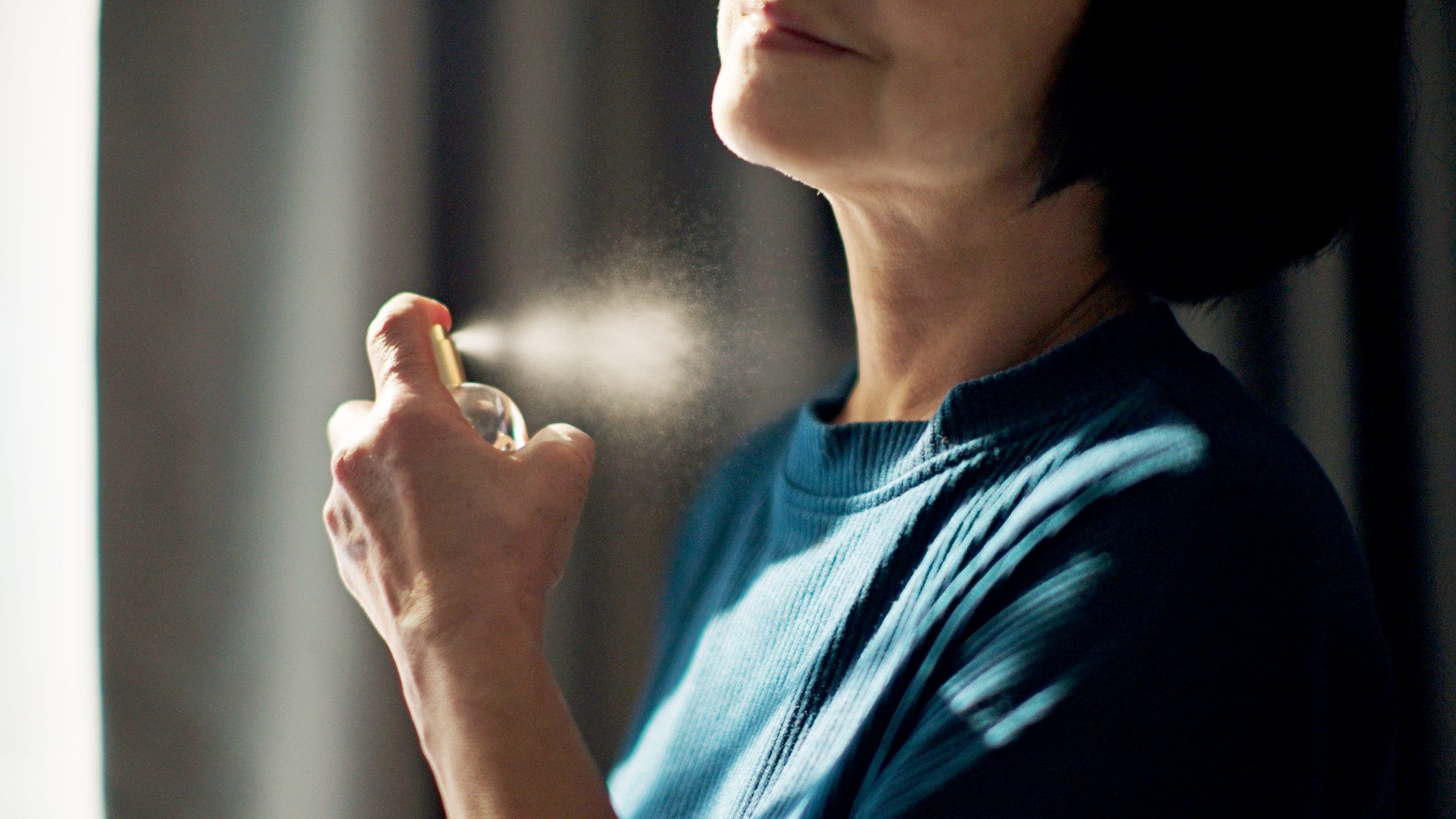
There’s been quite a buzz on social media lately about what’s often called “old people smell,” which some folks describe as kind of a musty or greasy scent associated with older adults. This isn’t just a stereotype or a stigma, though—it’s actually rooted in scientific facts. Dr. Dan Wesson, a professor at the University of Florida College of Medicine, had a chat with Fox News Digital, saying, “I think we all know this smell.”
Wesson explains that as we age, our skin—being the body’s largest organ—goes through a lot of changes. Throughout our lives, body odor usually comes from sweat, bacteria, and dead skin, things we can manage with regular hygiene. But as we get older, the way our skin and oil production change can make odors more complicated. “Skin cells accumulate damage over time,” Wesson mentioned, adding that these damaged cells can release compounds that affect how we smell.
One of the main culprits is something called 2-nonenal, a compound that comes about when fats in the skin break down. This is a unique smell to aging skin, often described as greasy or resembling cardboard, and it doesn’t wash off easily. Wesson notes, “This is why managing this body odor requires more complex solutions.”
To tackle these issues, Wesson suggests a more holistic approach—think antioxidant-rich foods like fruits and veggies, staying hydrated, and using skincare that includes antioxidants. He also points out that certain medications, such as those for high cholesterol or depression, might change how our body smells by affecting metabolism and sweat production. Hormones play a role, too, with post-menopausal women noticing changes due to lower estrogen levels.
If you’re considering hormone replacement therapy to deal with these changes, Wesson cautions that it comes with risks and should be discussed with a doctor. Not every change in body odor is just part of growing older, though. “A sudden change in body odor can be a warning sign of an underlying health issue,” Wesson warned.
Diseases like cancer and dementia can change body chemistry and scent, so if someone notices a sudden shift in how you smell, it might be time to see a doctor. Also, some people might worry about smells that aren’t even noticeable to others, which could be due to conditions like parosmia or olfactory hallucinations. “People can perceive odors that aren’t there at all,” Wesson said, highlighting the importance of determining whether it’s a real smell or just a change in perception.
So, while the concept of “old people smell” might be a bit uncomfortable to talk about, understanding the biology behind it and taking steps to manage it can make a big difference.
