
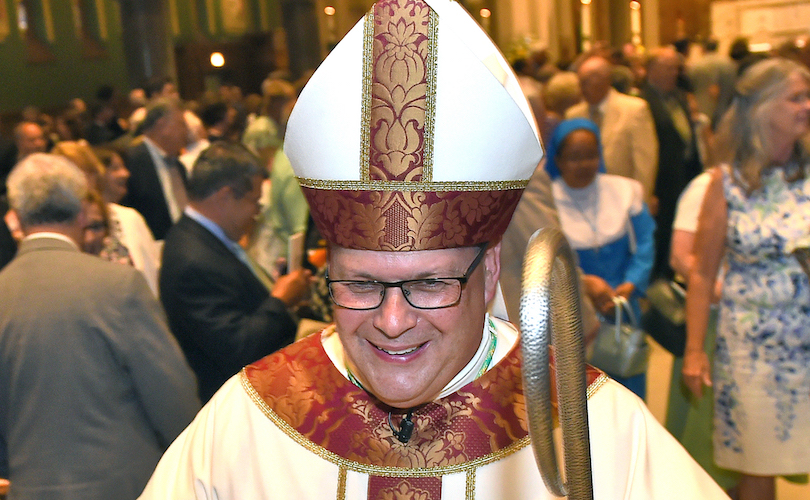
Msgr. Stephen Rossetti has drawn attention after being removed from his role as an exorcist in one diocese while receiving backing from his home bishop in another, following comments he made about demons adopting the appearance of UFOs or aliens. The situation highlights tensions between local church authority, pastoral reputation, and how clergy talk about unusual spiritual phenomena. It raises questions about the balance between theological caution and open pastoral engagement when clergy discuss matters that straddle faith, culture, and the unexplained.
The heart of the controversy is straightforward: a cleric known for ministry in deliverance and spiritual care suggested that demonic activity can manifest in contemporary cultural forms, including reports of UFOs and alien encounters. That claim set off institutional consequences in the place where he served as an appointed exorcist, even as his original diocese signaled continued support. The split response underscores how a single statement can reverberate differently across diocesan lines and public opinion.
Exorcists and those who study demonic activity typically operate at the intersection of doctrine, pastoral practice, and clinical observation. Their work depends on careful discernment, canonical procedures, and often confidential pastoral care. When ministers discuss phenomena that capture public imagination, like UFOs, they risk moving from guarded theological language into headlines and viral debate, which can complicate both pastoral ministry and ecclesial governance.
Bishops have the duty to oversee clergy in their jurisdictions and to maintain unity and clarity in teaching. When disagreements emerge about a priest’s public comments, bishops weigh pastoral reputation, canonical norms, and pastoral need. In this case, one bishop chose to remove the priest’s exorcist role locally, while another bishop in the priest’s home diocese publicly affirmed his standing, illustrating how episcopal judgments can diverge without necessarily meaning outright condemnation.
The broader conversation touches on how the Church addresses modern mystery narratives. Reports of unidentified aerial phenomena have migrated from fringe corners to mainstream newsrooms, and some religious thinkers treat them as cultural expressions that require theological framing. Others urge restraint, reminding clergy to avoid sensationalism and to anchor any public statements in careful pastoral discernment and sound doctrine.
For parishioners and observers, the episode is a reminder that ecclesial structures are both protective and interpretive. Actions taken by bishops aim to preserve pastoral care and doctrinal clarity, but they also send signals about acceptable public discourse from clergy. The tension between protecting the faithful from confusion and allowing informed, responsible theological reflection is not easily resolved.
Msgr. Rossetti’s supporters point to his decades of pastoral work and experience in spiritual care as reasons his home bishop would maintain confidence in him. Colleagues who know his ministry emphasize a pastoral intent behind his observations, arguing that recognizing cultural forms of apparent spiritual deception can be part of prudent spiritual guidance. Critics, however, worry about the potential for feeding conspiracy-minded narratives or stepping beyond what can be responsibly asserted without broader ecclesial consensus.
Institutionally, the case illustrates how dioceses manage reputation and risk in an era of instant amplification. Local pastoral assignments, canonical roles, and public statements are increasingly scrutinized, and bishops must balance transparency with prudential restraint. The result can be decisions that look inconsistent from the outside but reflect different pastoral calculations and local contexts.
At the pastoral level, the episode invites clergy and laity alike to sharpen discernment: to separate sensational claims from genuine pastoral need, to respect the authority of bishops, and to maintain charity toward ministers who serve faithfully even amid controversy. It also encourages a sober theology of spiritual evil that recognizes its adaptability in a changing cultural landscape without turning every unexplained phenomenon into a definitive sign of the demonic.
