
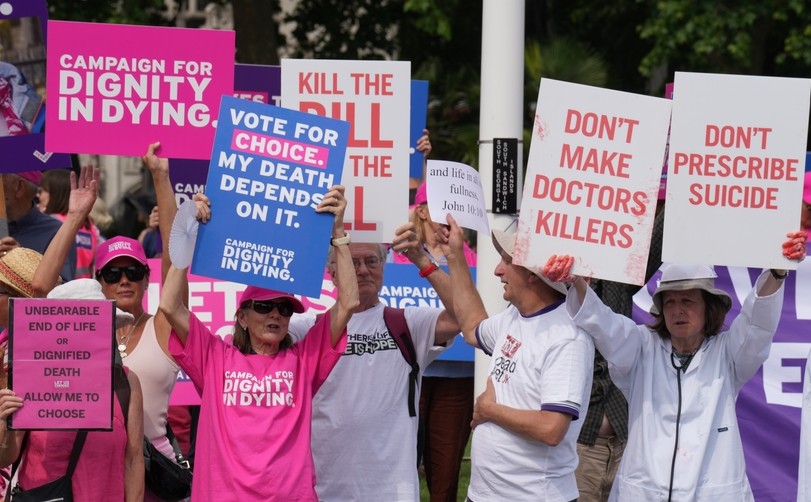
The push to revive a euthanasia bill that failed in the House of Lords in April has stalled because public and political support just isn’t there, and that matters. This piece looks at why the effort collapsed, what the low level of public interest reveals, and why conservatives are pushing for stronger safeguards and better end of life care instead. It argues that lawmakers should focus on protecting the vulnerable and improving palliative services rather than reopening a divisive debate with weak backing.
The bill’s death in the Lords was decisive, and attempts to bring it back have foundered on a simple fact: the appetite for legalizing assisted suicide is limited. Advocates hoped momentum would return, but the lack of parliamentary and public enthusiasm has undercut those plans. When a measure lacks broad support, it loses steam fast in a system that values stability and consensus.
Recent polling underlines the challenge for proponents. Fewer than 10 percent of UK voters view euthanasia as a priority issue, and politicians pay attention when the public signals other concerns are higher up the list. That weak mandate makes it politically risky for MPs or peers to resurrect a controversial change to life and death policy. Lawmakers tend to avoid creating lasting legal shifts without clear backing from voters.
From a Republican perspective, the limited support is a cue to defend fundamental principles of life and liberty. Legalizing assisted suicide creates moral and practical hazards, especially for the elderly, disabled, and those who feel like a burden. Conservatives argue that law should shield the weak rather than enable a practice that can be misused or become normalized over time.
There are serious practical worries beyond the abstract debate. Safeguards are only as strong as the people who enforce them, and history shows that rules meant to prevent abuse can erode. Families under stress, busy clinicians, and stretched health systems create pressure points where safeguards can fail. The safer path is to strengthen protections and offer real choices that do not end in premature death.
Policy energy should go where it helps people the most. That means more funding for palliative care, better support for caregivers, and ensuring quality hospice services are available across the country. Conservatives support channeling resources to life-affirming care that eases suffering without crossing into practices that put vulnerable lives at risk. Improving comfort, dignity, and support is a practical, humane response that wins broader support.
Politically, activists may try again, but the math and the mood both work against a quick revival. When voters prioritize other issues and express doubts, elected officials take notice. Any future effort will need a far stronger mandate, clearer safeguards, and a public conversation rooted in compassion and caution rather than emotion-driven anecdotes.
Right now the sensible path is clear: protect the vulnerable, resist hasty legal changes, and invest in palliative and home-based care that keeps families together. The debate over assisted suicide is not over, but the recent failure in the Lords and the low priority voters assign to the subject should steer the next steps toward practical solutions that respect life and empower patients and families.
