
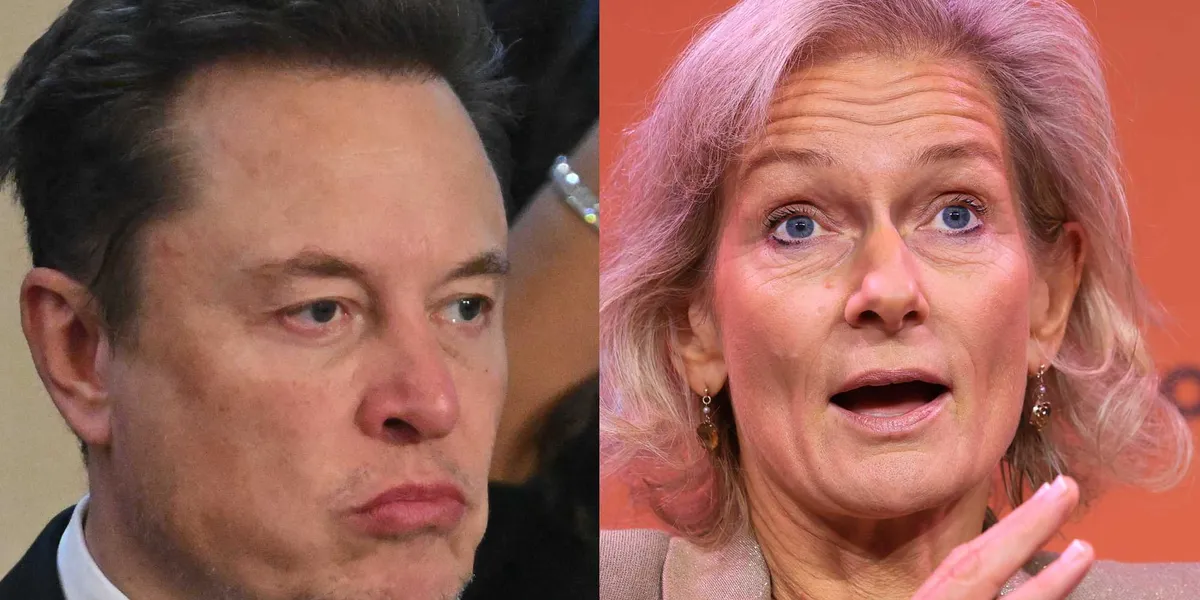
Elon Musk is back in the spotlight after firing off a blunt response to what he sees as lazy, loaded coverage from the mainstream press. The clash centered on accusations that he and his companies sit on the “far right,” a label Musk pushed back on as flat-out wrong. His reaction put a familiar issue front and center: how quickly media narratives can harden into a story that looks nothing like reality.
The exchange came as Musk continues to draw heat not just for his politics, but for the way he runs X and talks about artificial intelligence, free speech, and the culture war. Critics often treat those positions as proof of some grand ideological shift, while supporters say he is simply refusing to play along with the old media playbook. Either way, Musk knows how to turn a pointed question into a full-on public fight.
When the “far right” label came up, Musk did not dance around it. He called the framing “False and misleading and nonsense,” making clear that he thinks the accusation is less about reporting and more about forcing a narrative. That kind of answer lands hard because it strips away the polished language and gets straight to the point.
Part of why this keeps happening is that Musk rarely fits neatly into a single political box. He has backed causes and candidates that frustrate both sides, and he has used his platform to hammer institutions he believes are dishonest or out of touch. To a lot of mainstream outlets, that kind of independence gets mashed into whatever label is easiest to sell.
The bigger story here is not just one sharp exchange. It is the growing tension between public figures who reject legacy media gatekeeping and journalists who still want to define the terms of debate. Musk has made a habit of challenging that power structure, and every time he does, the reaction only makes the split look wider.
There is also the X factor, literally and figuratively. Since taking over the platform, Musk has tried to position it as a place where more viewpoints can breathe, and that has infuriated people who preferred tighter control over what gets amplified. When the same critics accuse him of extremism, it feeds the suspicion that the real complaint is not ideology, but losing control of the conversation.
Musk’s comments also connect to a larger media problem that keeps biting outlets across the board. If a label gets repeated enough, it starts sounding like fact even when the details are fuzzy or missing altogether. That is why his pushback resonated with people who are tired of seeing headlines do the thinking for the reader.
The artificial intelligence angle adds another layer, because Musk is one of the loudest voices warning about the risks of the technology while also building companies in the space. That makes him easy to misread for people looking for clean political categories. In practice, it means he is often attacked from both directions, with each side claiming to know exactly what he is up to.
For Musk, the fight is clearly bigger than a single accusation. He seems determined to keep calling out what he views as bad-faith framing, whether it comes from reporters, activists, or rivals trying to box him in. And judging by the speed and force of his response, he is not interested in letting the “far right” narrative settle quietly into the background.
