
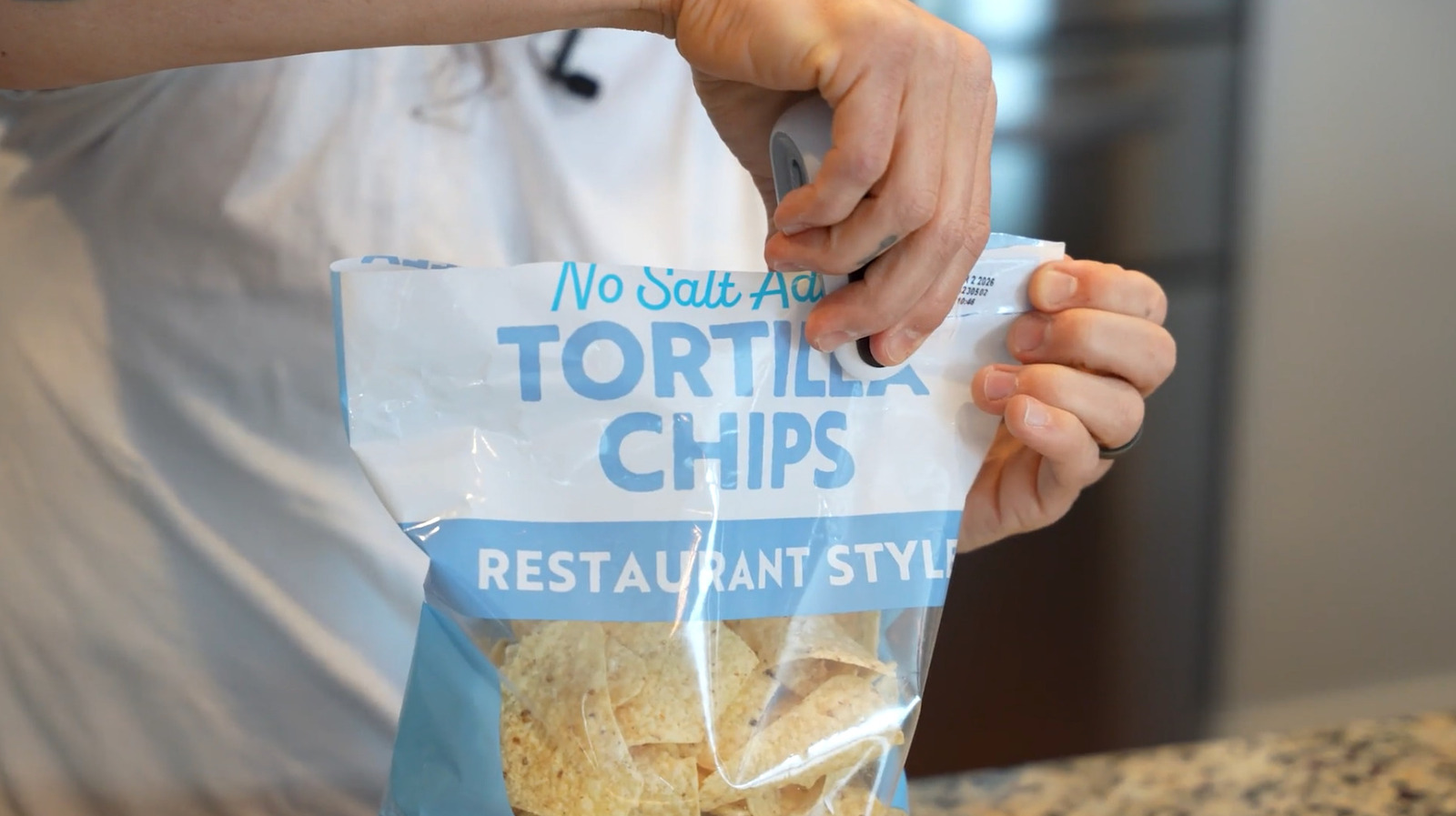
I put a row of electric bag sealers through an unapologetically tough battery of trials to find out which ones actually stand up to real use. This piece walks through the experiments, the metrics that mattered, and the practical takeaways for anyone who seals food at home. Expect clear descriptions of performance, durability, and the surprises that turned routine wrapping into an extreme experiment.
The testing began with basic sealing consistency, because a sealer that fails to close the bag cleanly is useless. I tested multiple brands using identical plastic bags, noting how many passes were required and whether the seam looked uniform. Times to seal and ease of use were recorded so readers can compare speed against reliability.
Next up was strength and durability, where I stretched and tugged sealed bags to see whether seams would hold under stress. Some models produced a crisp, unbroken edge that resisted leaks, while others showed micro-gaps that betrayed a weak thermal bond. These differences tell you how well a machine will protect your food over weeks in the fridge or months in the freezer.
Temperature extremes were part of the experiment because freezing and reheating can test a seal’s mettle. I froze sealed samples overnight and then thawed them to see if contraction or expansion opened seams. I also exposed seals to brief hot water contact to simulate a spill or steam exposure during reheating.
Portability and power source mattered in real-world scenarios where kitchens, garages, and campsites come into play. Corded units offered steady power and often stronger seals, while battery or USB-powered models tempted with convenience but sometimes lost performance under heavier duty. Battery life and recharge methods were logged so buyers can weigh convenience against capability.
Speed and noise were less glamorous but surprisingly important when using a sealer frequently. A quick, quiet model feels invisible in daily meal prep, while a slow, loud one becomes a chore. I timed cycles and noted decibel impressions so buyers know what their kitchen soundtrack will be.
Safety features deserve attention because anything that heats up against plastic can be a hazard in careless hands. Models with automatic shutoff, insulated housings, and clear indicator lights earned extra marks. Lack of basic protections flagged a device as better suited to careful hobbyists rather than busy families.
Maintenance and cleanup were part of the reality check since melted plastic and crumbs find their way into any appliance. I examined how easy it was to wipe down heaters, replace worn strips, and clear jams without voiding warranties. Models that offered simple disassembly and clear manufacturer guidance scored higher for long-term ownership.
Price and value came into focus once performance, durability, and features were tallied, because the best gadget is the one that balances cost with consistent results. Some bargain units surprised with decent seals for light use, while pricier options justified their cost through robust construction and repeatable performance. Buying decisions should hinge on expected frequency of use and whether you need portability or a heavy-duty kitchen workhorse.
Finally, practical tips emerged from hands-on testing: pick a sealer with solid heat control if you plan to seal thick or wet items, favor corded power for bulk sealing, and prioritize safety features if kids or multitaskers will be around. These are the real-world lessons that turn an ordinary storage tool into something reliable in everyday life.
