
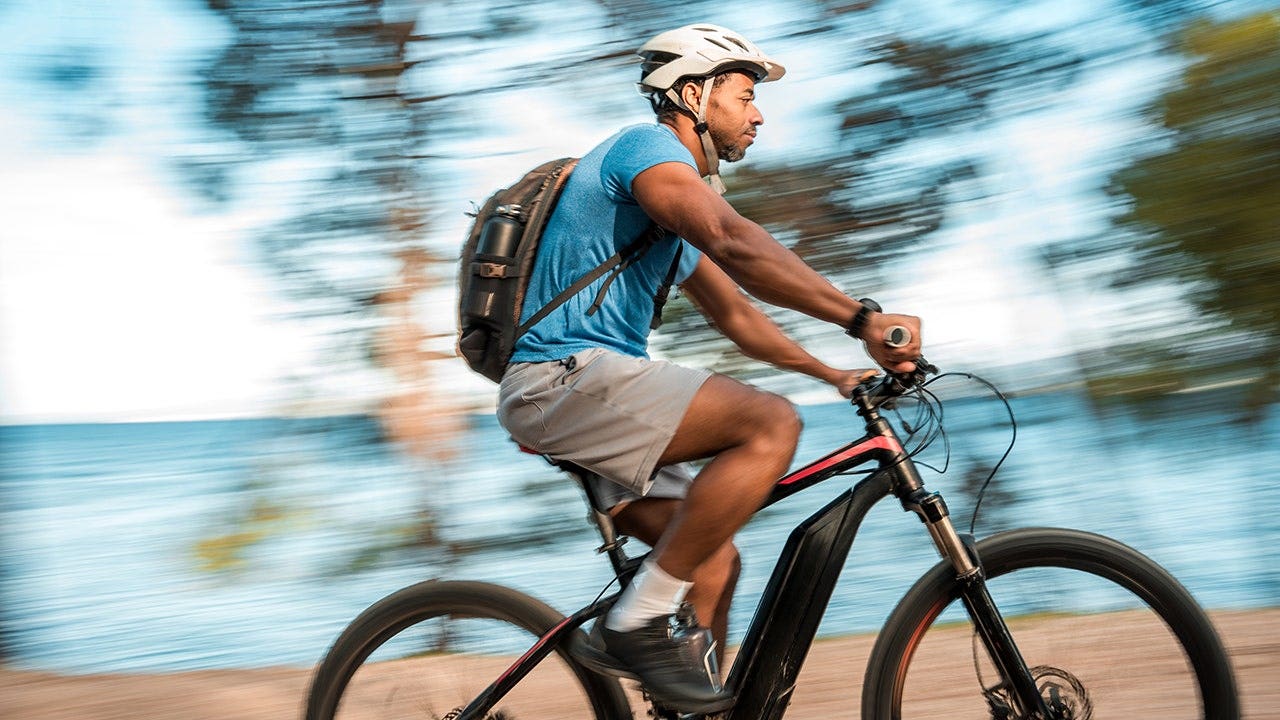
• Cover the rising e-bike injury problem in Detroit and beyond.
• Explain why faster bikes are changing the stakes for riders and pedestrians.
• Include the emergency room and trauma findings from New York City.
• Touch on helmets, alcohol, and collisions as major risk factors.
• Note the push for tighter rules and safer street design.
The surge in e-bike use has brought a sharper edge to everyday travel, and emergency rooms are feeling it. What once looked like a simple, low-cost way to get around is now showing up in trauma bays with injuries that are anything but minor. From Detroit to New York City, doctors and researchers are warning that speed, weight, and crowded streets can turn a routine ride into a serious medical event.
In the Detroit metro area, police and physicians say they are seeing more crashes and more people walking away with broken bones, head injuries, and worse. Some communities are already talking about restrictions, and in certain places the conversation has moved all the way to banning e-bikes altogether. That kind of reaction says a lot about how quickly public concern is rising.
A big part of the issue is simple physics. Some Class 3 e-bikes can hit 28 miles per hour, which is fast enough to catch new riders off guard and fast enough to make a crash ugly in a hurry. They are heavier than regular bikes, too, so when something goes wrong, the body takes the hit even though the bike may feel more like a shortcut than a machine.
Detroit Medical Center emergency room doctor Robert Sherwin said he is seeing the full range of harm, from minor scrapes to major trauma. He described Class 3 bikes as something closer to motor vehicles than traditional bicycles, especially when riders do not have the experience to control that speed. His point is hard to miss: a motor does not protect flesh and bone from the road.
Not everyone is pointing the finger at the bikes themselves. Local bike shop owner John Hughes argued that the real danger often comes from the way roads are shared, especially when drivers are distracted. He said cars do not always respect bikes as transportation, and that the problem gets worse when people are glued to their phones behind the wheel.
At the same time, some riders see e-bikes as a practical win. Cam Cason said he uses one for work and school and likes how much money it saves compared with driving. For him, the appeal is obvious because it is cheap, efficient, and gets him where he needs to go without the pain at the pump.
That convenience is exactly why lawmakers are stepping in. New Jersey passed a law this year requiring registration for e-bikes, setting a minimum age of 15, and requiring either a valid driver’s license or an e-bike license. Supporters say those rules are a common-sense way to push responsibility and cut down on injuries before they turn into tragedies.
New York City research paints an even more alarming picture. NYU Langone Health warned in April about the rise in brain and spine injuries tied to e-bikes and scooters, and a study in Neurosurgery found that these incidents made up nearly 7% of trauma patients at NYC Health + Hospitals/Bellevue. The numbers moved fast, with trauma cases jumping from less than 10% in 2018 to more than 50% by 2023.
Among the 914 patients studied, one-third suffered traumatic brain injury, and more than two-thirds had to be admitted to the hospital. About 30% needed intensive care, which shows these are not just bumps and bruises. The most common cause was a crash with a car or truck, which is a grim reminder that roads can be unforgiving even before speed gets involved.
Helmets made a difference, and the study did not leave much room for debate there. Fewer than one-third of riders were wearing them, and that was linked to more brain and facial injuries. Alcohol also showed up as a problem, with 20% of patients testing positive, a pattern tied to worse head trauma and lower helmet use.
Pedestrians were not spared either. In the analysis of 69 pedestrian cases, people struck by electric vehicles suffered brain injuries at nearly twice the rate of riders. That is the part that should make everyone pay attention because once a sidewalk or bike lane turns chaotic, the danger spreads fast.
Researchers say the answer is not to shrug and hope the trend fades on its own. Better helmet use, safer bike lane design, and real enforcement could prevent a lot of this harm, especially in dense cities where bikes, scooters, cars, and walkers all crowd into the same space. As the devices get faster and more common, the streets they use will need to keep up.
