
The Trump administration has moved to challenge state laws that hand tuition breaks and other college aid to illegal immigrants, putting Oregon, Washington, New Mexico, and Arizona in the legal spotlight. The fight is built around a simple question with big stakes: whether states can give residency-priced higher education benefits to people who are not legally eligible for them while U.S. citizens are left paying more.
At the center of the dispute is a federal rule that the Justice Department says states are ignoring. The argument is straightforward, and it lands hard: if a benefit is reserved for residents, it cannot be extended to illegal immigrants unless the same deal is open to every American student too. That is why the administration says these laws clash with federal law and why the lawsuits are now pushing deeper into the country’s higher education system.
The Justice Department says the issue is about fairness, not loopholes. Assistant Attorney General Brett A. Shumate put it bluntly: “This is a simple matter of federal law: Colleges cannot provide benefits to illegal aliens that they do not provide to U.S. citizens,” and “This Department of Justice will not tolerate American students being treated like second-class citizens in their own country.”
The legal push is not happening in a vacuum. The number of states facing challenges over these kinds of policies has climbed to 21, and the department says it has already secured wins in Texas, Kentucky, Oklahoma, Nebraska and Illinois. That matters because it shows the administration is not treating this as a one-off fight, but as a broader effort to unwind state-level benefits that conflict with federal immigration rules.
The money involved can be huge, which is part of why the battle is so intense. In Washington, the gap between resident and nonresident tuition at the University of Washington is dramatic, with in-state students paying far less than students from elsewhere. Under the state’s rules, an illegal immigrant who meets residency and paperwork requirements could land a discount worth more than $31,000 a year.
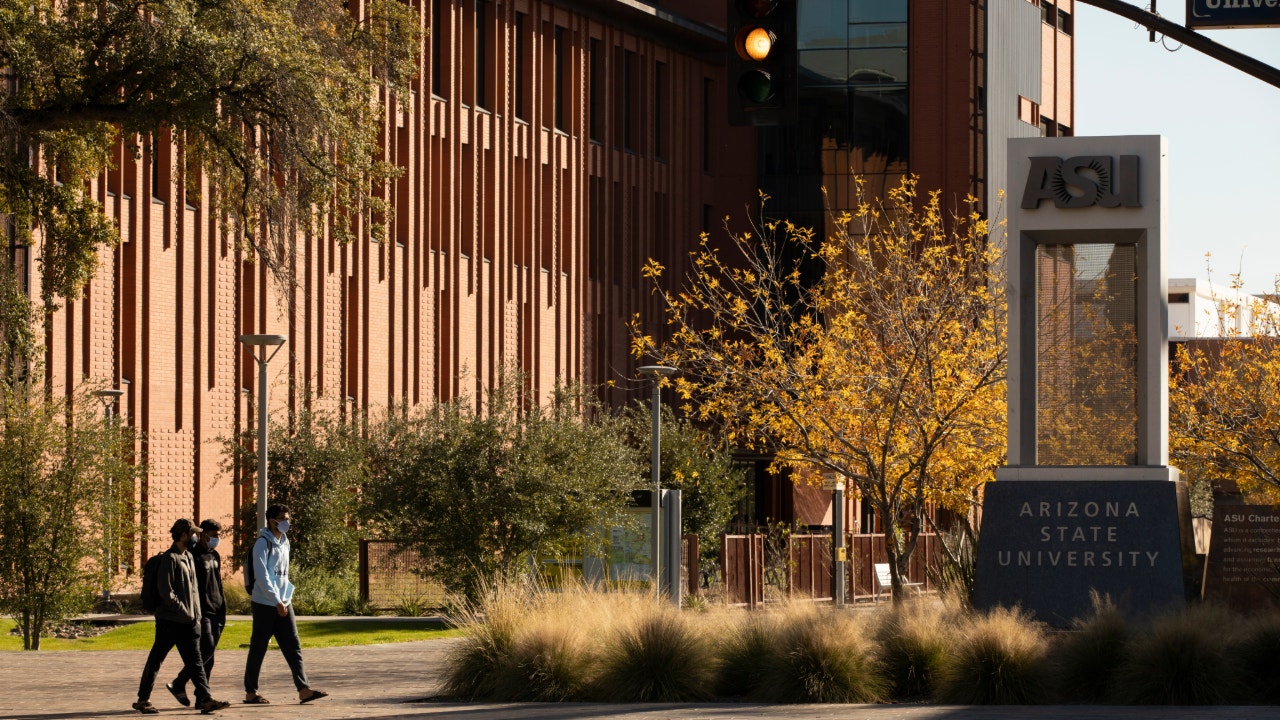
Arizona presents a similar picture, and the figures are eye-catching. The lawsuit says the biggest tuition gap at Arizona State University reaches $24,448, and it alleges that 432 illegal immigrants received in-state tuition benefits there in fall 2025, adding up to $10.5 million in reduced tuition. The complaint also points to estimates that more than 3,600 illegal immigrants a year could qualify under Arizona law.
For state officials, the response has been defensive and familiar. A spokesperson for the Arizona Board of Regents said the school system follows state law and is reviewing the case, which is the kind of line that often shows up when states are trying to hold the line in a federal showdown. Washington Gov. Bob Ferguson took a sharper tone, saying, “Washington state won’t be bullied into changing how we provide opportunities for young people in our state,” and “We’ll see them in court, and we expect to win.”
The dispute is not limited to tuition alone, either. In Oregon, the Justice Department says illegal immigrants can qualify for a scholarship at Oregon Health & Science University that covers full tuition plus a travel stipend. In Washington, the state also runs a loan program for undocumented students who cannot access federal aid, showing how these policies can stretch beyond one-time discounts into broader financial support.
That wider reach is part of what makes the lawsuits so politically charged. Supporters of the challenge see a basic taxpayer fairness issue, while state officials frame the programs as opportunities for students already living and studying there. A June 2024 report estimated that about 408,000 illegal immigrants were enrolled in higher education, which helps explain why this fight keeps turning into a flashpoint.
For now, the court battles are spreading while states keep testing the edges of federal law. Oregon, New Mexico and Arizona are still fielding scrutiny, and the administration is pressing ahead with the same message in each case, that resident-funded benefits belong to citizens and lawful residents first. The next filings, the next hearings, and the next state response will keep this clash moving fast.

1 Comment
I am a lifetime resident of Arizona, 77 years. Arizona’s problem today is a liberal one.
Historically Arizona has been a conservative state. Yes there were and are bastions of liberals, generally in the Tucson area where political ideology varies widely.
Today with the influx of immigrants from liberal states moving in and bringing with them the vary ideas that destroyed the state they left Arizona is leaning liberal as well.
Then there are the non citizens, illegals, who relish the liberalism that has allowed their entry into the US. The illegally vote for liberals who allow them to freeload of the tax payers follar. YES THE TAX PAYERS DOLLAR.