
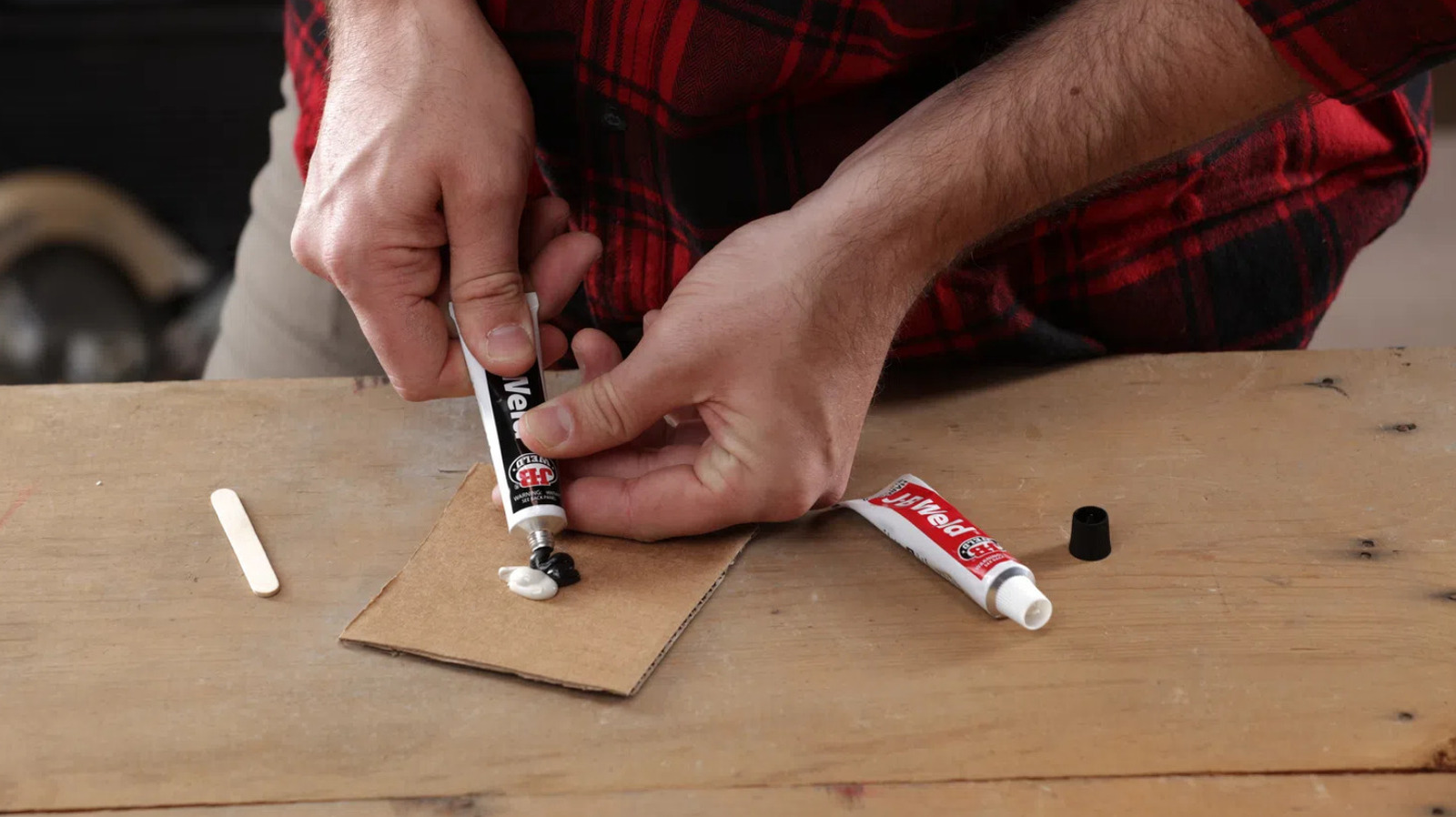
J-B Weld can be a solid fix for a lot of plastic repairs, but the details matter more than the brand name on the tube. The original epoxy handles many rigid plastics well, yet it starts to fall short once the material gets slick, soft, or flexible. That makes the difference between a repair that holds and one that pops loose at the worst moment.
The company says the original formula works on most rigid plastics, including PVC and CPVC, which covers a lot of common household and workshop jobs. At the same time, it specifically leaves out polypropylene, polyethylene, and flexible plastics, and that warning is worth taking seriously. Those materials are built to resist bonding, so a one-size-fits-all approach usually ends in disappointment.
That resistance comes down to surface energy, a fancy term for how willing a material is to let adhesive grab onto it. Polypropylene and polyethylene are famously tough customers because their surfaces do not give epoxy much to bite into. Plastics with higher surface energy are far easier to bond, which is why some products seem to work like magic on one item and barely cling to another.
J-B Weld is a two-part epoxy, meaning resin and hardener mix together to create the adhesive reaction. For plastic work, the prep is almost as important as the glue itself, and the surface should be cleaned first, then lightly roughened with sandpaper or a file. That extra texture gives the epoxy more grip and can make the repair last much longer.
When the original formula is the wrong fit, J-B Weld has options built specifically for plastic jobs. PlasticWeld and PlasticBonder are aimed at most plastics, and they are often the better choice when the repair needs more than a quick patch. That is especially true on auto bumpers and other parts that need a cleaner, sturdier result.
PlasticBonder is the more flexible of the two and is described as working on virtually all plastics, including nylon. Even so, J-B Weld draws a line with polypropylene and polyurethane, where it only promises cosmetic repairs rather than structural strength. That means it may hide damage well, but it should not be trusted to carry a serious load.
PlasticWeld is another strong contender and is recommended for most rigid plastics. It is not recommended for polypropylene or polyethylene at all, so the material still decides the outcome. That kind of specificity can feel picky, but it saves a lot of guesswork when the goal is a repair that actually survives use.
Timing matters too, since these products set fast and do not leave much room for hesitation. PlasticWeld sets in about five minutes and cures in about an hour, while PlasticBonder sets in about six minutes and also reaches full cure in about an hour. Both are sold in different formats, including twin tubes, syringes, and putty sticks, which makes them easy to match to the size and shape of the job.
