
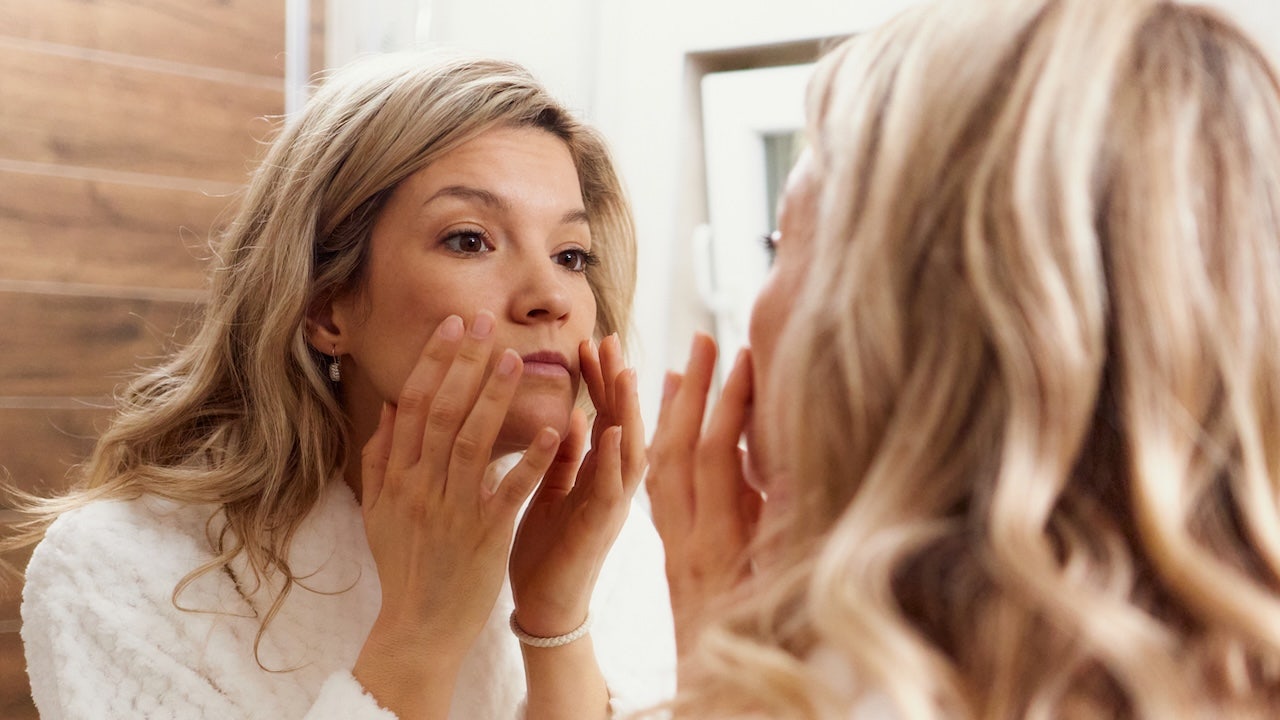
Lifestyle pressure is doing more than wearing people down. It may also be nudging the body toward faster biological aging, with diet, toxins, stress, trauma, and disconnection all piling on in ways that are easy to miss at first.
That’s the core warning from functional medicine expert Dr. Will Cole, who argues that modern life can create a kind of cellular static that interferes with how the body repairs itself. In his view, the gap between chronological age and biological age is growing wider, and plenty of adults are carrying more wear and tear than they realize.
Cole says the big problem is that people often normalize the warning signs. Brain fog, low energy, poor sleep, and that general “off” feeling can get brushed aside as just part of busy life, when they may be hinting at deeper trouble brewing under the surface.
One of the biggest pressure points is food. Cole points to inflammatory eating patterns and constant grazing throughout the day, saying the body needs real breaks to digest, reset, and keep cellular communication running smoothly.
He also argues that ultra-processed choices can act like a slow leak in the system, especially when they crowd out nutrient-dense foods. The idea is not that one meal ruins everything, but that repeated habits can quietly push the body into a more worn-out state over time.
Toxins are another major concern. Cole names pesticides, herbicides, PFAS, mold, bacteria, and viruses as examples of exposures that can place extra strain on the body, especially when contact is frequent or long-lasting.
That point lands because modern environments are loaded with things the human body never had to deal with at this scale before. Even small exposures can become meaningful when they are layered on top of each other day after day, leaving the immune system and repair processes working overtime.
Sleep also gets pulled into the conversation. Evening blue light and irregular sleep patterns can throw off circadian timing, which matters because the body depends on predictable rhythms to recover, regulate hormones, and keep systems aligned.
Then there’s the emotional side, which Cole treats as just as real as diet or pollution. Chronic stress, unresolved trauma, and a lack of connection can all add to what he describes as cellular noise, making it harder for the body to function cleanly and efficiently.
That’s where the conversation gets bigger than nutrition or fitness. Social ties, spiritual life, time in nature, and a sense of meaning may all help calm the internal static that builds when life stays in fight-or-flight mode for too long.
Cole says people can start sliding into this pattern years before any official diagnosis shows up. The body may be signaling trouble early, but if the messages are mild enough, they get ignored until they become impossible to dismiss.
What makes the idea compelling is how ordinary it sounds. It is not some exotic mystery, just a pile-up of habits and exposures that slowly shape how well cells communicate, repair, and bounce back under pressure.
That also explains why the same tired advice keeps coming back: eat in a way that supports the body, protect sleep, reduce toxic load where possible, and take stress seriously. The details may differ from person to person, but the basic message stays sharp, direct, and hard to ignore.
