
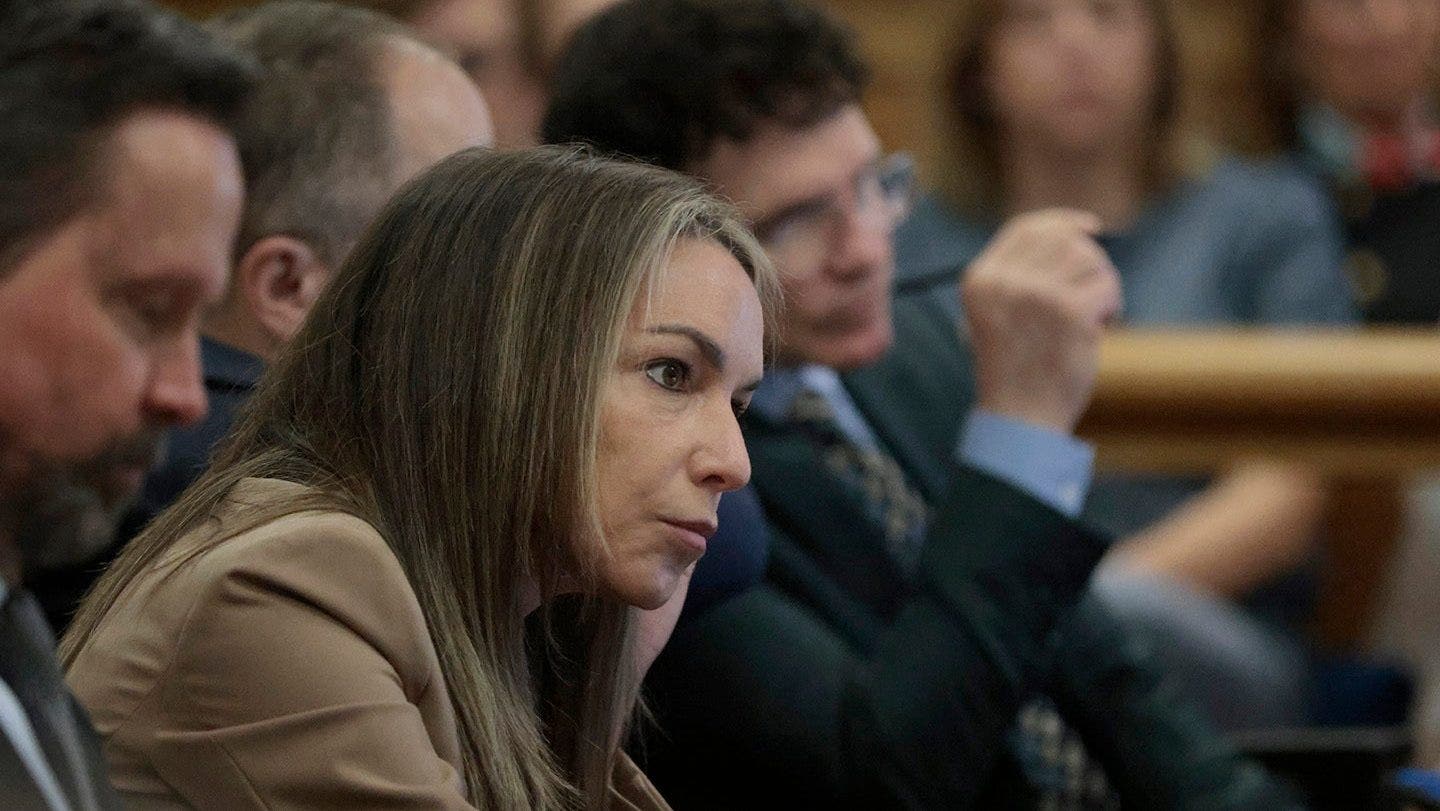
John O’Keefe’s tragic demise has taken a new twist as a defense expert challenges the prosecution’s narrative. According to Dr. Elizabeth Laposata, O’Keefe’s head injuries don’t align with the scenario of being struck by Karen Read’s Lexus SUV. Instead, she argues he likely hit his head on an uneven surface.
Dr. Laposata, a forensic pathologist, emphasized the nature of O’Keefe’s head injuries during the trial. “If you fall back on a flat surface, you get, many times, a star-like tear in the scalp,” she explained, referencing evidence photos. Her remarks suggest that the injuries weren’t consistent with a fall on grass as the prosecution claimed.
The defense was keen to highlight the inconsistencies in the prosecution’s case. Laposata pointed out the absence of hypothermia signs, which contradicts the official autopsy’s second cause of death. This directly opposes the testimony given by the prosecution’s brain surgeon, Dr. Aizik Wolf.
Dr. Wolf had previously claimed that O’Keefe’s injuries were consistent with a backward fall. “The only way he could get this kind of an injury was to fall backward,” he said, drawing from his experience with similar injuries in icy conditions. His assertions have been a cornerstone of the prosecution’s case.
Karen Read, facing trial for O’Keefe’s murder, saw her defense team achieve a minor victory before the jury’s arrival. Attorney Alan Jackson requested that Judge Beverly Cannone reconsider allowing Laposata to testify about potential dog bites. Despite a heated exchange, the judge offered a compromise.
Judge Cannone’s compromise involved laying a foundation for Laposata’s animal bite experience. “This is consistent with what she has seen in an animal bite,” Cannone noted in her ruling. This decision added another layer of complexity to the ongoing trial.
Laposata, described by Jackson as “absolutely peerless,” faced scrutiny over her past professional record. She resigned as Rhode Island’s chief medical examiner following an audit that criticized her office’s handling of autopsies. Nonetheless, her expertise remains a pivotal part of Read’s defense strategy.
Upon resuming her testimony, Laposata detailed the internal injuries to O’Keefe’s brain. She explained that the pressure on the brain stem from swelling and bleeding was fatal. Her insights cast doubt on the prosecution’s version of events.
The trial has sparked considerable debate, with both sides presenting conflicting expert opinions. Dr. Wolf’s experience in icy Minnesota conditions lent weight to his testimony about backward falls. However, Laposata’s testimony introduced alternative explanations for O’Keefe’s injuries.
As the trial progresses, Read’s silence has been a point of focus. Her defense team seems to be banking on expert testimonies to sway the jury. This strategy could prove crucial as the case draws closer to its conclusion.
O’Keefe, a Boston police officer, was found dead outside a Massachusetts home in January 2022. Read, his former girlfriend, stands accused of intentionally driving her SUV into him. The trial has captivated public attention with its dramatic courtroom exchanges.
Defense attorney Jackson has been relentless in challenging the prosecution’s narrative. His cross-examinations aim to undermine the credibility of the prosecution’s expert witnesses. The stakes are high as Read’s future hangs in the balance.
The courtroom has witnessed intense exchanges between legal teams. With each side steadfast in their positions, the jury faces the daunting task of determining the truth. The trial’s outcome remains uncertain amid the clashing testimonies.
Expert witnesses have been at the heart of the trial’s proceedings. Their conflicting analyses have left the jury with much to consider. Each piece of testimony could tip the scales of justice in this high-profile case.
As the trial unfolds, the defense continues to poke holes in the prosecution’s theory. The introduction of alternative explanations for O’Keefe’s injuries has been pivotal. It remains to be seen if these arguments will sway the jury’s decision.
Read’s legal team remains hopeful that their strategy will prevail. By casting doubt on the prosecution’s case, they aim to secure an acquittal. The courtroom drama continues to unfold with each passing day.
The trial has become a battleground for expert opinions. Each testimony adds a new dimension to the case, leaving the jury to navigate complex medical and forensic evidence. The final verdict will hinge on their interpretation of these details.
