
“`html
Checklist:
- What the “man flu” idea claims
- Why the term is not a medical diagnosis
- What doctors say about immune response differences
- What the research shows about symptoms and recovery
- What studies suggest about pain tolerance and illness severity
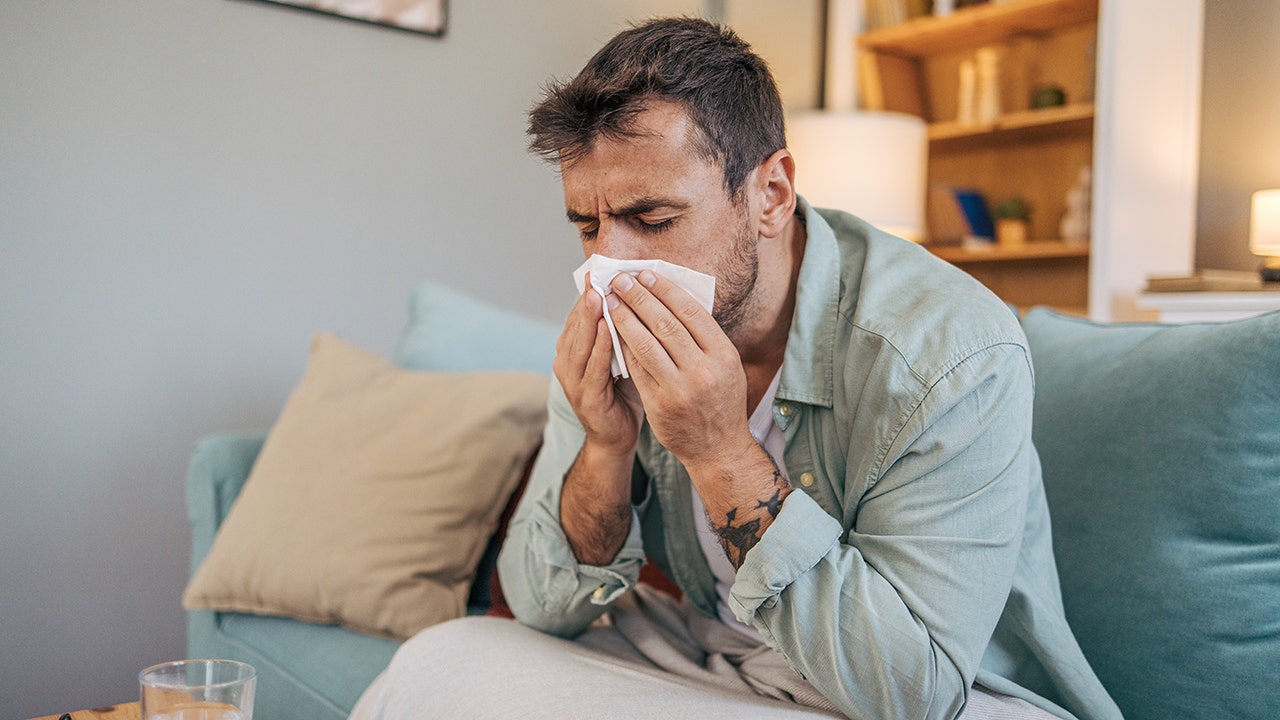
The “man flu” joke has been around long enough to become a cultural punchline, but the medical side of it is a lot less dramatic. Emergency medicine physician Dr. Stephanie Widmer says there is no solid proof that men experience colds, flu, or other respiratory viruses in a more severe way just because they are men. Some biological differences may exist, but the leap from that idea to a real diagnosis just does not hold up.
It is easy to see why the phrase sticks. When someone is flat on the couch after a mild bug, the assumption is often that the illness is being exaggerated, especially if the patient is a man. But Widmer says the label is not recognized in medicine, even if it has become a familiar part of everyday conversation.
That does not mean scientists should ignore sex-based differences altogether. There is legitimate reason to look more closely at how male and female immune systems respond, since biology is never completely one-size-fits-all. Still, the available evidence has not shown that men consistently suffer more pain, worse symptoms, or a rougher course with routine viral infections.
Some data does suggest men may be hospitalized more often or have worse outcomes after influenza, and that is worth paying attention to. Even so, that pattern does not automatically prove that men feel sicker in the moment or experience stronger symptoms during the infection itself. A worse outcome and a worse symptom experience are not the same thing.
That distinction matters because people tend to mix up discomfort with danger. A person can feel miserable and still recover normally, while another may seem only mildly bothered and end up with complications later. Widmer’s point is simple: the existence of biological differences does not magically validate the “man flu” theory.
The pain conversation also gets pulled into the same debate. Some people like to argue that women handle illness better because childbirth somehow gives them a tougher threshold, but that idea is more folklore than fact. Widmer said it would be nice if that were true, but science has not backed it.
There is, however, research showing interesting differences in pain tolerance over time. A 2022 National Institutes of Health-supported review found that acute pain tolerance in women was more consistent across repeated sessions, while men showed higher pain tolerance in occasional sessions. That is a far cry from proving that one sex “handles sickness” better than the other, but it does show the topic is more nuanced than a meme.
Another 2022 study took a direct swipe at the theory, and even titled itself “Man flu is not a thing.” Researchers looked at men and women with sinus infections and found no difference in initial physical severity. Women reported feeling worse early on, yet they bounced back faster than men.
That kind of result keeps the conversation grounded. It suggests that symptoms, recovery, and perceived discomfort can move in different directions depending on the illness and the person, rather than following some simple male-versus-female script. The authors were blunt about it, saying the “man flu” hypothesis should be disregarded.
For all the jokes, the real takeaway is pretty plain. Viral illness does not come with a built-in gendered scoreboard, and assumptions can get in the way of what is actually happening in the body. The better question is not whether a man has invented his suffering, but whether the science can separate habit, biology, and plain old bad luck.
“`
