
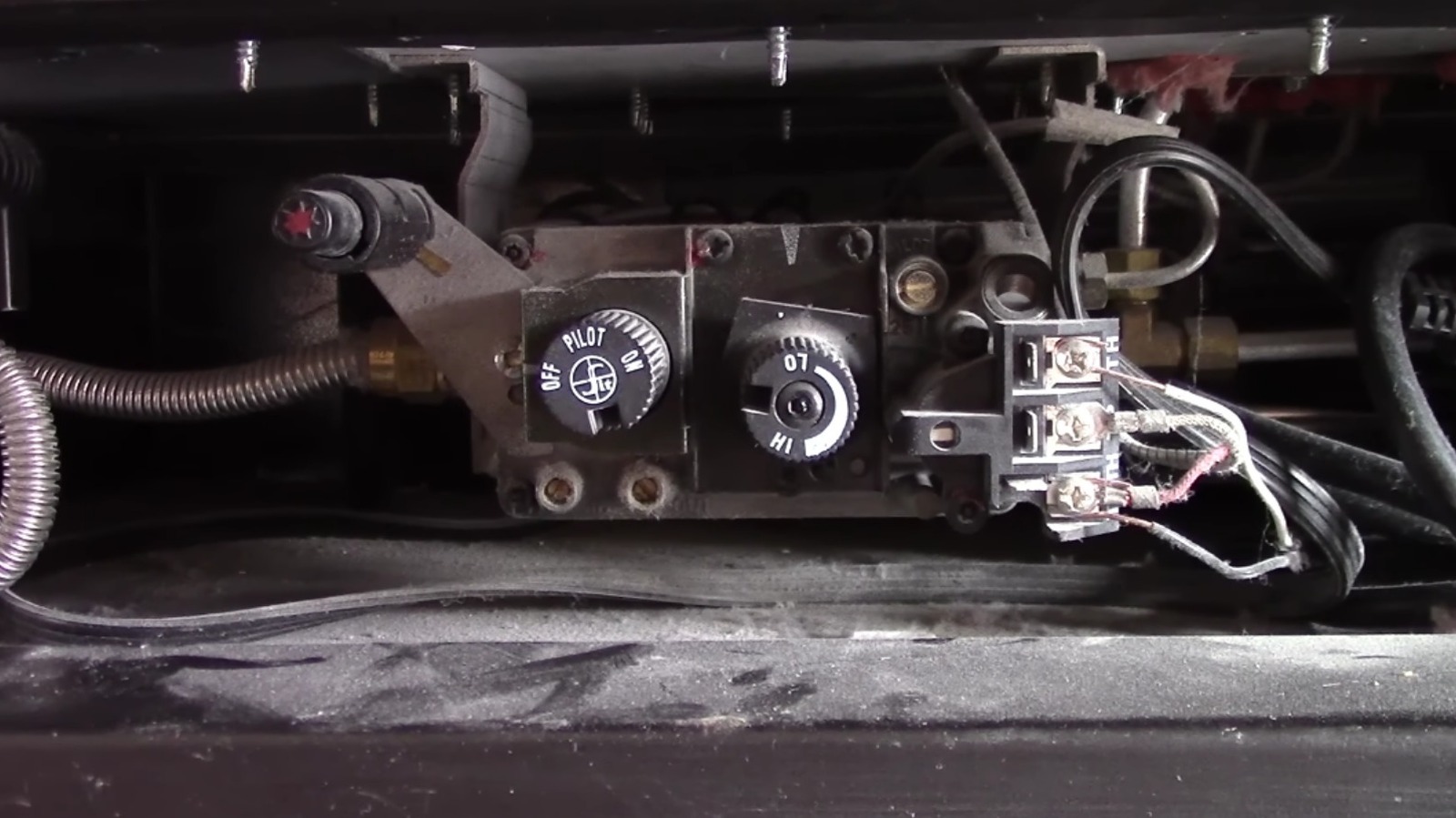
Modern gas appliances have changed a lot, and one of the biggest shifts is how they light up in the first place. Pilot lights used to be the norm, but newer systems often rely on smarter, more efficient ignition methods instead. That means the little always-on flame is no longer the default in many homes, even though it still shows up in some equipment.
A pilot light is a tiny flame that stays burning so a gas appliance can start quickly when needed. In older boilers, furnaces, and similar units, it acted like a ready-made ignition source, with a thermocouple helping keep gas flowing safely while the flame remained lit. If the flame went out, that safety feature could shut things down and help reduce the risk of gas buildup.
The reason pilot lights became so common was simple: they made gas appliances easier to use. Back in the early days of widespread gas heating and lighting, convenience and safety both mattered, and a standing flame gave users a quick way to get a burner going. It was a practical solution for its time, especially when manual lighting was more of a hassle.
But what made sense decades ago does not always make sense now. Pilot lights can be unreliable, and anyone who has dealt with a furnace that mysteriously goes out knows the frustration. When the flame disappears on its own, the whole point of having that constant ignition source starts to look shaky.
There is also the energy angle, which is where pilot lights really start to show their age. Even when everything is working properly, they burn all day and all night, using gas the entire time. That constant draw may seem small at first, but over a year it adds up fast, especially for appliances that do not need to be lit continuously.
That is why modern appliances have moved toward electronic ignition systems. Instead of keeping a flame alive around the clock, these systems create a spark only when the appliance is turned on. It is a cleaner setup, and it wastes far less fuel because gas is used only when it is actually needed.
Newer ignition methods also bring a sturdier design to the table. Many hot surface igniters and plasma igniters are built from materials like silicon nitride or silicon carbide, which are made to handle high heat and repeated use. That kind of engineering helps explain why modern systems can be both efficient and dependable without needing a pilot flame sitting there all day.
Still, pilot lights have not vanished completely. Older gas fireplaces, boilers, and some larger commercial kitchen equipment may still use them, especially if they have not been replaced or updated. In homes, though, newer gas stoves and other appliances are far more likely to use electronic ignition, which is why the classic standing flame is becoming less common with each new generation of equipment.
There is a good reason this change stuck. A pilot light once solved a real problem, but modern systems solve that same problem with less waste and fewer headaches. The result is a quieter, more efficient appliance experience, even if it means the familiar little flame is slowly fading into the background.
