
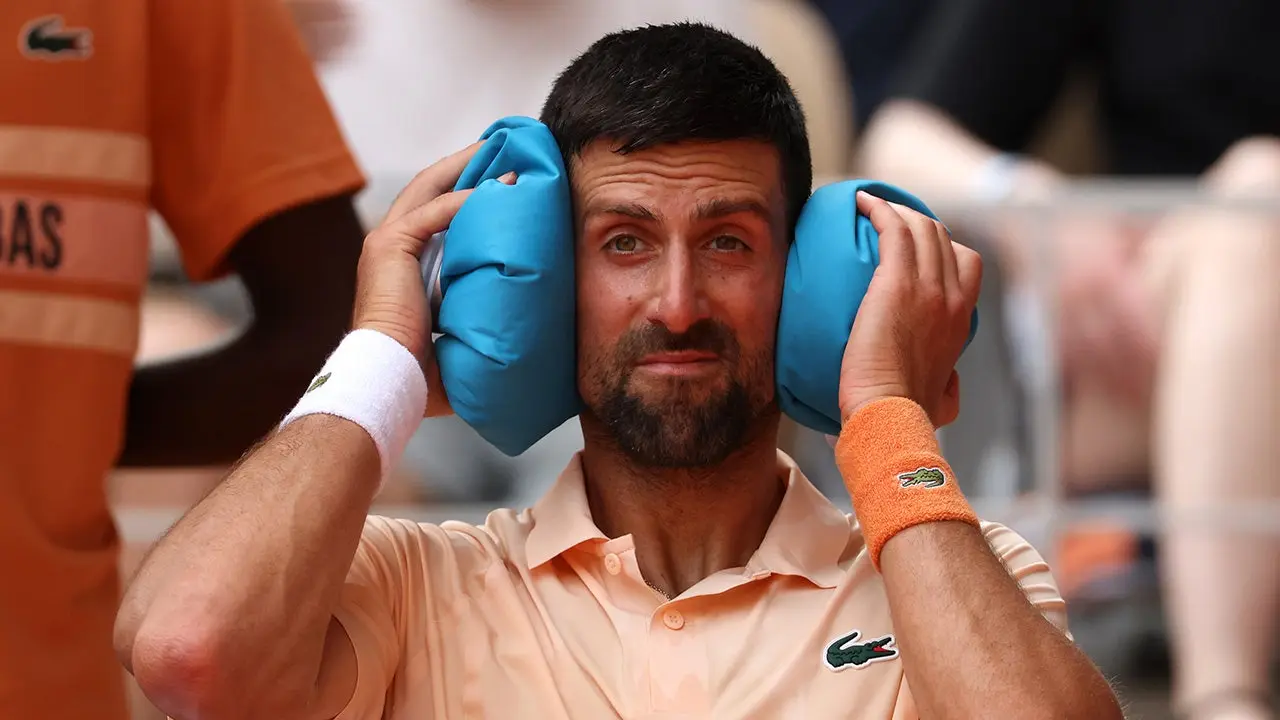
The match that stunned Paris delivered drama on and off the court: Novak Djokovic clashed briefly with a cameraman early on, and Joao Fonseca mounted a dramatic comeback from two sets down to take the victory in five sets. The incident around court positioning added a flashpoint to a contest already full of momentum swings, and the result reshuffled expectations for the rest of the tournament. This piece walks through the moment, the match, and the ripple effects in a clear, plainspoken style.
“Djokovic yelled at a cameraman to make space during his French Open match against Joao Fonseca, who then came back from two sets down to win in five.” That short, undeniable line captures the clash and the comeback in a single breath. The interaction with the camera crew was brief but charged, and it landed amid a match that kept shifting gears for hours.
From the first set the energy was electric, with Djokovic trying to impose his usual control while Fonseca pushed a fearless baseline game. Early breaks and tight service games turned into long rallies that tested both players’ patience and conditioning. When off-court friction showed up, it only amplified the on-court tension and the crowd’s appetite for the drama.
Fonseca’s comeback was not a fluke; it was a study in resilience and adjustment. After losing the opening sets, he tweaked his return depth and started dictating points with heavier forehands. The shift gave him the edge in crucial moments, and Djokovic, who had been steady earlier, struggled to find answers under the increasing pressure.
The brief exchange over court space raises the predictable questions about matchday logistics and professional behavior. Players, officials, and media crews all share responsibility to keep play uninterrupted, but tempers can flare when a big point is on the line. Matches at this level are magnified, so even a small spat becomes part of the narrative and gets dissected by fans and pundits alike.
Djokovic’s reaction also fits into a larger portrait of an elite competitor protecting his rhythm and focus. He has long shown a low tolerance for things that break his tempo, and when concentration slips, opponents can seize the moment. That said, elite athletes are expected to manage frustration; when they don’t, it becomes a talking point separate from the technical and tactical story of the match.
For Fonseca, the win is a major milestone that says as much about his mental game as his shotmaking. Coming back from two sets down on one of the sport’s biggest stages proves he can grind and adapt against top opponents. That kind of victory can be a springboard, altering how he is seen by peers, tournament organizers, and the tennis public.
The broader tournament impact is immediate and practical: draw dynamics shift, favorites must recalibrate, and matchups fans were betting on are no longer guaranteed. Beyond rankings and seedings, moments like this feed into the lore of a Grand Slam, where a single encounter can ripple through the rest of the event. The night in Paris will be remembered for both the on-court drama and the off-court flare-up that punctuated a truly unpredictable contest.
