
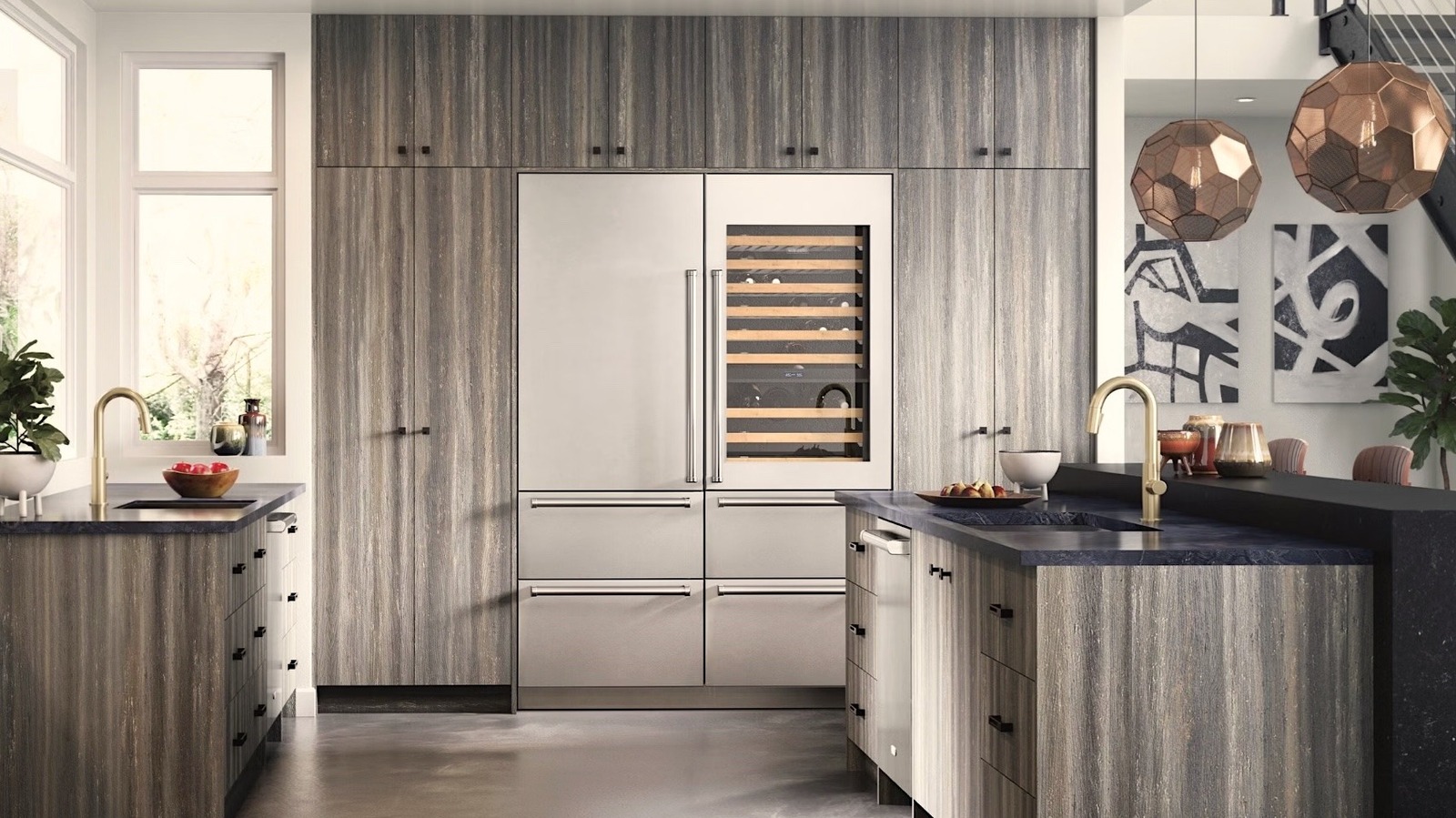
This article peels back the curtain on Sub-Zero refrigerators, tracing the brand’s roots, who controls the company, how its products are built, and what to expect from its production and service approach.
Sub-Zero is often shorthand for premium refrigeration, and that reputation didn’t appear overnight. The company grew from a small, focused maker into a specialty appliance brand known for longevity and design confidence. Its story is tied to steady, long-term ownership and a tight focus on refrigeration engineering.
Ownership of the company has remained private rather than traded on public markets, which shapes decisions in a different way than corporate giants. That private structure gives management freedom to focus on product quality and customer experience over quarterly numbers. Customers see that in conservative design updates and a focus on durable components rather than flashy seasonal releases.
The brand’s offering centers on built-in refrigeration and integrated units that blend into kitchens, plus complementary ranges and ventilation under affiliated labels. That product breadth keeps Sub-Zero competitive in both luxury remodels and high-end new construction. The machines themselves often prioritize practical features like temperature stability, humidity control, and flexible storage zones.
Manufacturing mixes traditional assembly with modern automation, aiming to balance handcrafted attention and repeatable precision. Many units are assembled and tested under controlled conditions to ensure temperature performance and seal integrity. The result is fewer surprises in the field and a consumer experience that leans on reliability.
Parts sourcing is global, with critical components coming from a range of suppliers, while final assembly and quality testing tend to stay close to company facilities. That hybrid approach helps control costs without sacrificing control over critical manufacturing steps. It also allows the brand to iterate on specs and respond to service feedback quickly.
Engineering choices focus on refrigeration fundamentals, including insulated cabinet design, compressor selection, and airflow management. Dual refrigeration systems, when used, separate the fridge and freezer environments to reduce odor transfer and maintain different humidity profiles. These are practical features that appeal to buyers who want predictable food preservation rather than gimmicks.
Service and support are part of the product promise, not an afterthought, which is why the company emphasizes a trained service network and extended warranties for premium buyers. In practice, that means certified technicians and a parts pipeline designed to keep older installations running. Buyers of high-end appliances often consider post-sale support a major factor in purchase decisions.
Design flexibility is another signature: options for custom panels, different door styles, and modular configurations allow the appliances to integrate with varied kitchen aesthetics. That customization comes at a cost, but it appeals to homeowners and designers aiming for seamless visuals. Practicality is still key, so customization isn’t just cosmetic; it often affects shelving, lighting, and internal layout options.
Sustainability and regulatory compliance play into production choices as well, with shifts toward refrigerants and components that meet evolving environmental standards. The brand has adapted equipment and manufacturing practices over time to align with regulations and industry best practices. Energy performance and proper refrigerant handling are table stakes for appliances in this category.
Pricing and market positioning reflect the cumulative choices in ownership, manufacturing, and support: the products are premium by design and priced accordingly. Buyers are essentially paying for durable construction, long-term support, and a specific aesthetic that fits high-end kitchens. For many customers, that combination justifies the investment when longevity and performance matter most.
Knowing what goes into a Sub-Zero refrigerator helps set realistic expectations: solid build quality, private ownership that favors long-term thinking, a blended supply chain, and a service framework designed to keep units performing. If you value consistent temperature control, subtle design integration, and a strong support network, the brand’s approach is worth understanding before you buy.
