
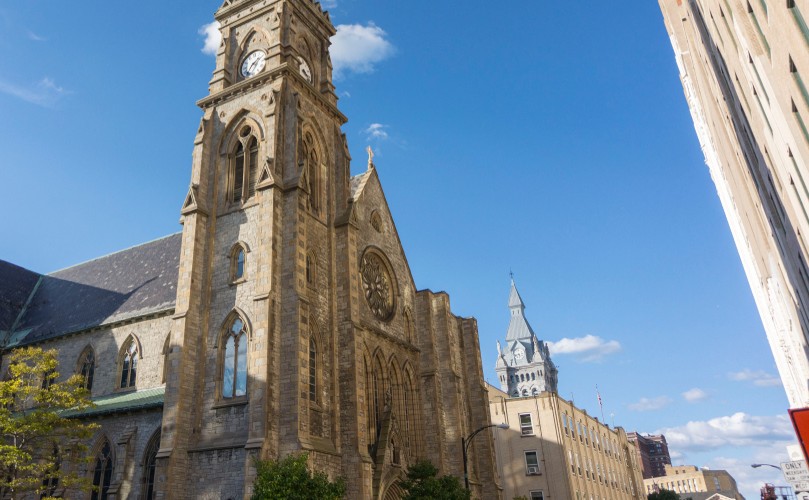
The Diocese of Buffalo has asked its parishes to consider filing for bankruptcy so a proposed $150 million settlement with more than 800 abuse survivors can move forward, but the plan requires approval from all parishes before it can proceed. The proposal is meant to resolve long-running claims and provide compensation to survivors, yet it raises tough questions about parish autonomy, financial stability, and transparency. What follows unpacks what the plan would mean for congregations, survivors, and the wider community as the decision point approaches.
The diocese says each parish filing for bankruptcy is a necessary step to finish the settlement, framing it as a unified legal path to close a painful chapter. That approach aims to centralize claims and create a single framework for payouts rather than leaving individual parishes to face lawsuits on their own. Supporters argue it can speed compensation and prevent unpredictable court outcomes.
Bankruptcy filings by church entities are legal tools that can reorganize debts and set clear timelines for resolving claims, not a statement about faith or mission. When used in this context, they let a court oversee how assets are distributed and create a structured process for claimants. Still, folding parish finances into a diocesan plan changes how local resources are handled and who has a voice in the outcome.
Requiring every parish to sign off means the process is as much political as legal, with votes expected at the parish level. Parish councils and clergy will be pressed to weigh community values against legal realities, and some congregations may balk at including their tiny budgets or sacred buildings in a larger settlement pool. That tension could trigger debates about local control and the responsibilities of diocesan leadership.
Practical concerns about parish budgets are front and center. Many parishes depend on regular giving to sustain programs, maintain properties, and support schools, and any perceived drain on those resources will unsettle parishioners. Leaders will need to show how funds will be managed and whether day-to-day ministry will be affected during or after the legal process.
For survivors, a settlement offers compensation and a formal acknowledgment of harm, but it does not erase the trauma or the demand for accountability. Some may welcome a quicker path to payment, while others might prefer to pursue individual litigation that could spotlight specific failures. The range of survivor responses will be an important factor in how the community judges the settlement’s fairness.
The legal road ahead will involve bankruptcy courts, negotiations with attorneys for survivors, and scrutiny of diocesan and parish finances. Approvals from parish bodies are only the first step; courts must also find the plan equitable and workable before finalizing anything. That process could take months and will likely generate public filings that invite outside analysis.
Critics will point to alternatives, including direct diocesan payments without parish filings or targeted fundraising to cover settlements. Proponents counter that a coordinated bankruptcy can avoid lengthy litigation costs that ultimately reduce what survivors receive. Each option carries trade-offs between speed, transparency, and control over assets.
Transparency will be a running demand from both parishioners and survivors as decisions unfold. Clear accounting of assets, liabilities, and the criteria for distributing settlement funds will be essential to maintain trust. Without open communication, the plan risks fostering suspicion and anger among the faithful and the broader public.
Diocesan leaders face the delicate task of explaining the legal mechanics and moral reasoning behind the proposal while listening to parish concerns. How bishops and administrators manage that conversation could shape the local church’s reputation for years. Internal divisions are possible, especially if some parishes feel coerced into a solution they did not choose.
There is a wider context to consider: several dioceses nationwide have turned to bankruptcy as a way to resolve widespread abuse claims, and each case offers lessons about balancing compensation with institutional survival. Observers will be watching whether the Buffalo plan protects parish missions or leaves congregations weakened. The outcome could influence how other dioceses approach similar dilemmas.
As parish votes and legal filings loom, the story becomes one of community choices under pressure: how to provide justice to survivors while safeguarding the local ministries people rely on. The coming weeks will test governance structures, financial resilience, and the willingness of parish communities to accept shared responsibility for a painful legacy.
