
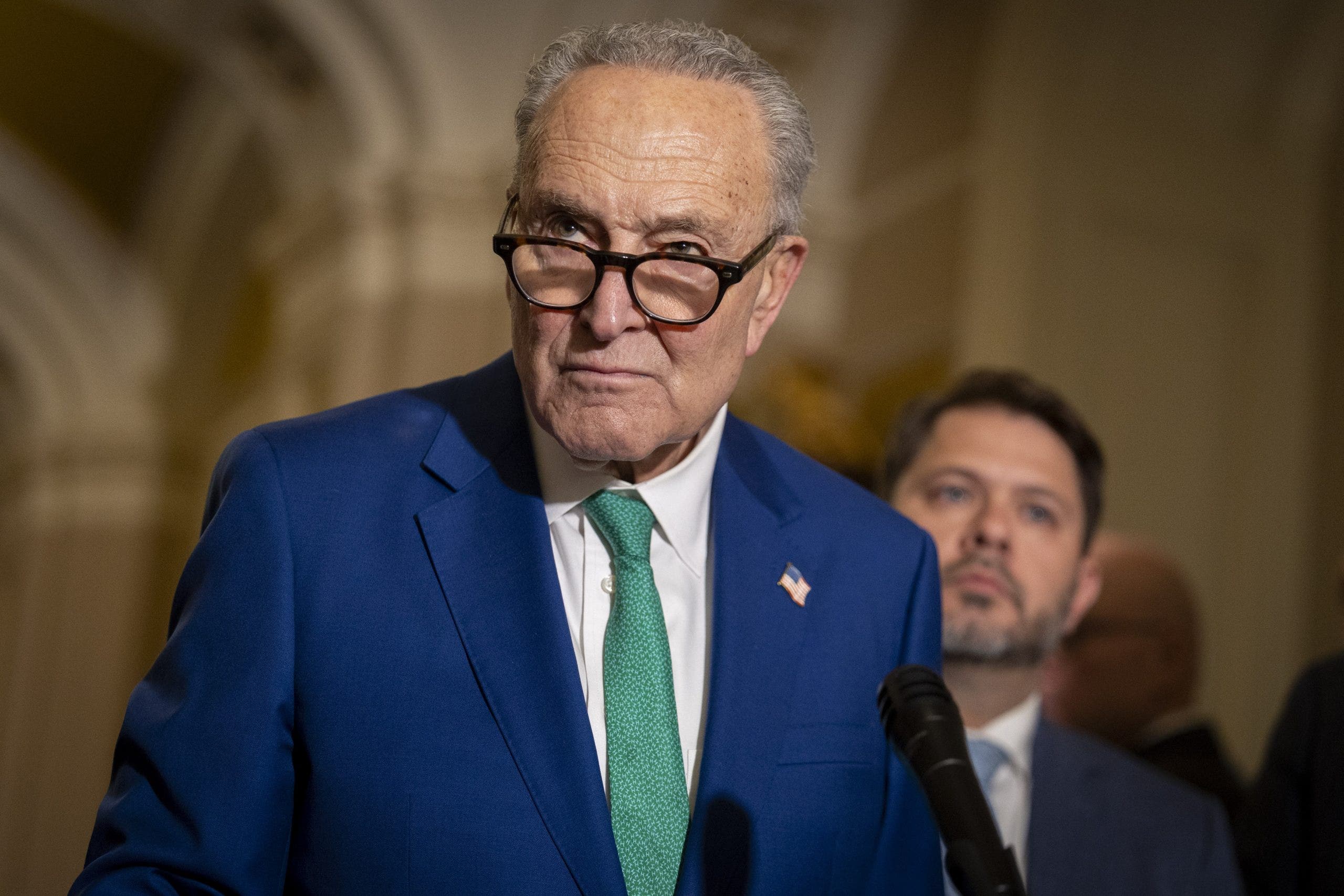
The Senate’s filibuster fight is back on the table, and Democrats are not exactly speaking with one voice. Some see a clean path to muscle through a legislative agenda, while others are warning that tearing down the 60-vote barrier could come back to bite them hard.
Sen. Ed Markey made his position plain when asked about the chamber’s future: “Obviously, the filibuster is something that has to be on the table,” he said. That kind of answer signals where some Democrats are headed as they look ahead to a chamber they may soon control, with major policy goals waiting in the wings.
But Sen. Andy Kim is not rushing to join the bulldozer crowd. He called the issue a “double-edged sword,” making the point that changing the rules in the heat of a political win can create problems that outlast the celebration.
That warning matters because scrapping the filibuster would reshape the Senate fast. Instead of needing 60 votes to move most legislation, Democrats could push bills through with a simple majority, which would make life a lot easier for their agenda and a lot harder for Republicans trying to slow it down.
The catch is obvious enough: what goes around can come around. If Democrats burn the rule down now, Republicans would have the same tool later, and the next time the political winds shift, the same shortcut could be used against them.
The debate is not just about math, either. It is also about timing, power, and who gets to define the Senate’s future while President Donald Trump is still in office and Democrats weigh what kind of gamble they want to take before the next presidential race.
Markey kept his answer broad, saying Democrats are discussing “a progressive agenda right now” and that he plans to hear out his colleagues before landing on a final strategy. That leaves the door open, but it also shows the caucus has not fully locked onto a single script.
Meanwhile, Sen. Chris Van Hollen is already making the case for a bolder move. He has said he will run against Schumer for Senate Majority Leader and has called the filibuster “anti-democratic,” arguing that it was built to boost senators’ power rather than the people’s.
That kind of language is exactly why this fight keeps getting louder. For critics of the filibuster, the rule looks like a roadblock that protects gridlock. For defenders, it is a guardrail that keeps one-party majorities from steamrolling the chamber every time they catch a wave.
Kim’s caution stands out because it is less about ideology and more about survival. “When you open the door…you gotta be ready,” he said, adding, “You don’t wanna shoot from the hip when it comes to really big issues that are affecting our country in this way.”
He also suggested that Democrats should keep pressing their agenda through other routes before reaching for the nuclear option. That view may not satisfy the most aggressive voices in the party, but it reflects a sharper reality: once the filibuster is gone, there is no easy way to put it back.
The pressure is building as Democrats sort out their next steps and their next leaders. With Schumer under scrutiny, Van Hollen challenging for power, and lawmakers split over how far to go, the Senate fight is shaping up to be one of the most revealing tests of the party’s instincts and appetite for risk.
