
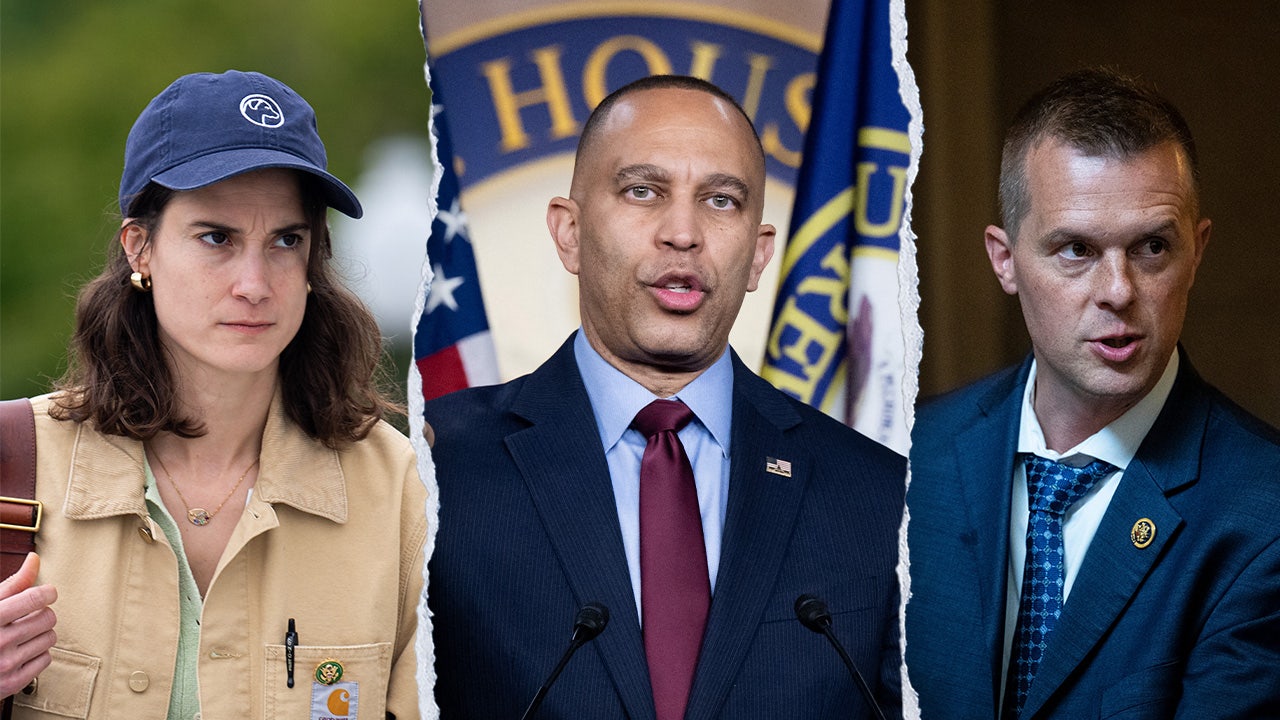
Democrats are showing a strange kind of panic: when members put local workers ahead of party loyalty, the leadership acts like that is the real scandal. Jared Golden and Marie Gluesenkamp Perez split from the caucus on a procedural vote that helped the House move forward on a lobster industry bill and a resolution condemning socialism, and that was enough to trigger threats of punishment. The backlash says a lot about what happens when a party obsessed with discipline runs into lawmakers who still answer to regular people.
The problem for Democratic leaders is not hard to see. Golden and Gluesenkamp Perez represent districts where fishing, manufacturing, natural resources, and small business matter more than the latest ideological test from Washington. When they backed a move that could help Maine lobstermen and opened the door to a vote on socialism, they were doing what many voters expect elected officials to do: protect jobs, defend local industries, and resist pointless political theater.
House Minority Leader Hakeem Jeffries responded with talk of a “serious response,” which is exactly the kind of language that makes voters roll their eyes. Party leaders said the two members blindsided the caucus and broke trust, but plenty of Americans will hear something else entirely. They will hear that helping working people becomes a problem the moment it clashes with party messaging.
That is a dangerous place for Democrats to stand. Most Americans still see themselves as working class, and that identity is broader than the old stereotypes suggest. It reaches across income, race, and education, which means the political damage from attacking worker-focused lawmakers does not stay trapped in one district or one industry.
Pew Research backs that up in a big way. The share of adults describing themselves as working class has climbed to 60%, up from 54% the year before, and the number jumps even higher among blue-collar workers. That is not a niche group or a loud fringe. That is a massive chunk of the electorate that understands what it means to worry about paychecks, fuel costs, regulations, and whether the next policy from Washington helps or hurts.
Golden’s frustration captured the whole mess in one sharp line: “Could you imagine going home to your constituents and being like, ‘I was trying to help you, but I had to vote no?’” That quote lands because it strips away the jargon and gets to the heart of the matter. Voters do not care about the inside game nearly as much as politicians do, and they can spot when party loyalty is being treated like a higher value than their livelihoods.
The same basic tension runs through the fight over socialism. The House passed a resolution condemning it, but most Democrats opposed the measure, even as the party struggles to present itself as the home of the working class. That creates a brutal contradiction for leaders who want voters to trust their economic message while refusing to clearly distance themselves from an ideology that many Americans associate with heavy government control.
Democrats will argue that procedure mattered and that the resolution had other provisions attached, but that defense only goes so far. Even if some objections were rooted in the details of the vote, the larger picture is still messy. Punishing lawmakers for siding with workers while leaving the party vulnerable on socialism only reinforces the idea that the leadership is more interested in control than in building trust.
That is where Republicans see an opening. The cost of living remains a top issue, and voters are still angry about how expensive life has become. When Democrats lash out at members who defend local industries and blue-collar communities, they hand the other side a simple, brutal message: the party’s priorities are not yours.
Gluesenkamp Perez fits that message too, especially for districts tied to fishing and natural resource work. Her voters know the difference between abstract slogans and actual paychecks, and they tend to reward politicians who notice that difference. In a climate where families are watching grocery bills, energy costs, and taxes with growing frustration, the instinct to protect real-world industries looks a lot smarter than punishing it.
The deeper issue is that Democratic leaders keep acting as if loyalty to the brand matters more than loyalty to the people. That may satisfy party activists and Washington insiders, but it lands badly with workers who already feel squeezed by taxes, regulations, and a constant stream of lectures from elites. When the party’s own members have to choose between obeying the machine and defending their constituents, the choice becomes the story.
Republicans can make that story even louder by keeping the focus on freedom, opportunity, and lower costs. Americans still want room to work, build, recover from setbacks, and chase a better life without asking permission from government. The more Democrats punish lawmakers for standing with those voters, the more they advertise exactly how far they have drifted from them.
